








What's Happening?
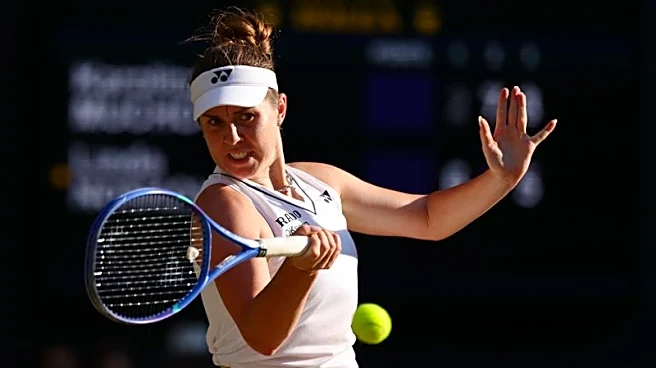
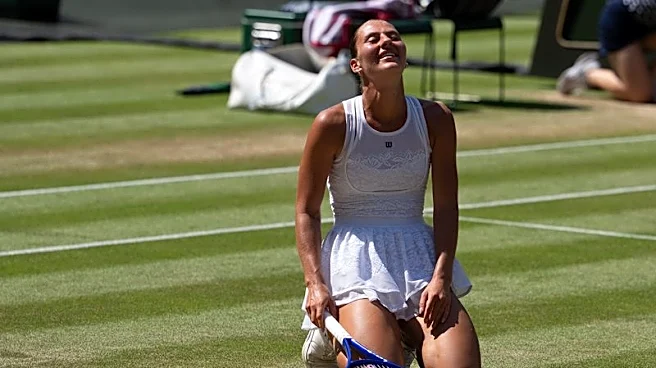
Karolina Muchova and Linda Noskova are set to face each other in an all-Czech final at Wimbledon, marking a significant moment in tennis history. This is the first time since 2009 that two women from the same nation have contested the singles final at Wimbledon.
Muchova, the 10th seed, is entering her second Grand Slam final, while 21-year-old Noskova, the ninth seed, is making her debut in a major final. The last woman to successfully defend her title at Wimbledon was Serena Williams in 2016. The Czech Republic has seen a surge in tennis success, with eight Czech women currently ranked in the WTA top 50. Both players have expressed pride in their nation's tennis tradition and the influence of past Czech champions on their careers.
Why It's Important?
This final highlights the growing prominence of Czech women in international tennis, showcasing the country's ability to produce top-tier talent despite its relatively small population. The success of players like Muchova and Noskova underscores the effectiveness of the Czech tennis development system and its impact on the global stage. For the players, this match represents a significant career milestone and an opportunity to inspire future generations of Czech athletes. The outcome of this final could further elevate the status of Czech tennis and encourage increased investment and interest in the sport within the country.
What's Next?
The winner of the Muchova vs. Noskova final will join the ranks of recent Czech champions, continuing the country's impressive track record at Wimbledon. The result could influence future sponsorship and support for Czech tennis programs. Additionally, the performance of these players may impact their rankings and seedings in upcoming tournaments, potentially altering the competitive landscape of women's tennis. The match will also be closely watched by tennis enthusiasts and analysts, eager to see if the winner can maintain their form and possibly defend the title in future competitions.
Beyond the Headlines
The success of Czech players at Wimbledon may lead to a deeper examination of the country's tennis training methodologies and the cultural factors contributing to their achievements. This could spark discussions on the role of national sports programs in nurturing talent and the importance of role models in sports. The final also highlights the broader trend of increasing diversity in tennis, with players from various countries challenging traditional powerhouses. This shift may encourage other nations to invest in their sports infrastructure and talent development, potentially leading to a more competitive and inclusive global tennis community.