




What's Happening?
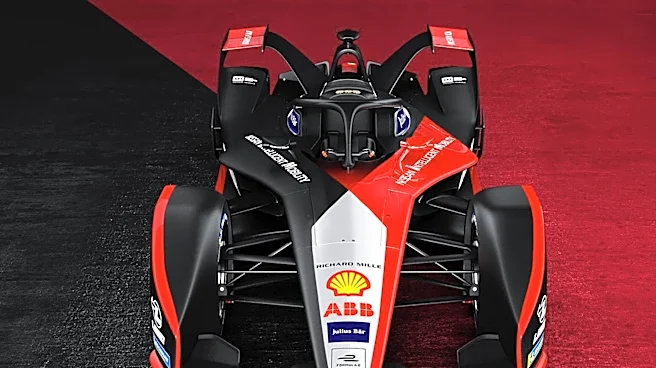
Nissan's Formula E partnership has led to a significant increase in consumer familiarity with the brand and consideration for its electric vehicle (EV) lineup. Through 'The Racetrack to Road Experience,' Nissan aimed to reframe public perception of EVs
by linking entertainment with product truth. This initiative created an interactive environment designed to shift consumer interest from passive to active excitement regarding Nissan's EV models, such as the LEAF and ARIYA. The program achieved a 98% rate of increased consumer familiarity with Nissan, marking the highest result across all Nissan programs in the past three years. Furthermore, 78% of consumers indicated they would consider a Nissan LEAF or ARIYA after participating in the Ride & Drive experience, and 94% reported an improvement in their opinion of Nissan following an ARIYA Ride & Drive.
Why It's Important?
This development is important for the automotive industry, particularly in the rapidly evolving EV market. Nissan's successful strategy demonstrates the effectiveness of experiential marketing and strategic partnerships, like Formula E, in influencing consumer perception and driving interest in electric vehicles. The high rates of increased familiarity and purchase consideration suggest that direct engagement with EV technology, coupled with an exciting brand narrative, can overcome initial hesitations and foster positive brand sentiment. This approach could serve as a model for other automakers looking to accelerate EV adoption and differentiate their products in a competitive landscape. For Nissan, these results indicate a strong return on investment for their Formula E sponsorship and a positive trajectory for their EV sales and brand image in the U.S. market.
What's Next?
Following the success of 'The Racetrack to Road Experience,' Nissan is likely to continue leveraging its Formula E partnership and similar experiential marketing initiatives to further promote its EV lineup. The positive consumer response suggests that expanding these types of engagements could lead to sustained growth in brand familiarity and EV consideration. Other automotive manufacturers may observe Nissan's success and adopt similar strategies to connect with consumers and highlight the benefits of their electric vehicles. This could lead to an increased focus on interactive and immersive brand experiences across the industry, aiming to convert passive interest into active purchasing intent for EVs. Nissan will likely analyze these results to refine future marketing campaigns and potentially introduce new EV models with enhanced consumer engagement strategies.
Beyond the Headlines
The success of Nissan's initiative extends beyond immediate sales figures, hinting at a broader shift in how consumers interact with emerging technologies like EVs. By creating an experience that is both entertaining and informative, Nissan is not just selling cars; it's shaping public perception and fostering a deeper understanding of electric mobility. This approach addresses the psychological barriers to EV adoption, such as range anxiety or performance concerns, by allowing consumers to directly experience the benefits. The high improvement in brand opinion suggests that authentic, hands-on experiences can build trust and loyalty more effectively than traditional advertising. This trend could influence how other industries introduce complex or novel products, emphasizing experiential learning and emotional connection over purely informational marketing.