




What's Happening?
Students from the University of Alabama participating in a faculty-led study abroad program in Lisbon, Portugal, have reported significant cultural adjustments and unexpected challenges. Upon arrival, students noted the warmer, more bustling atmosphere
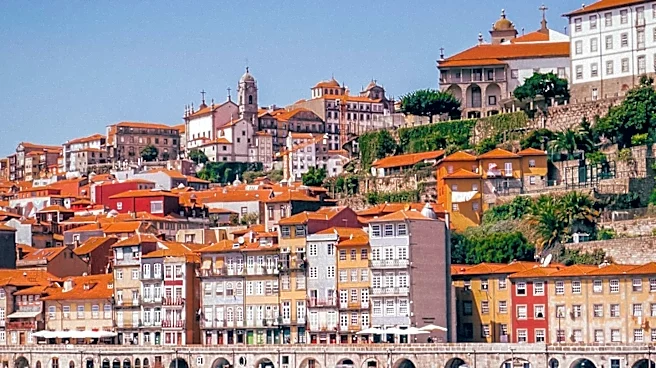
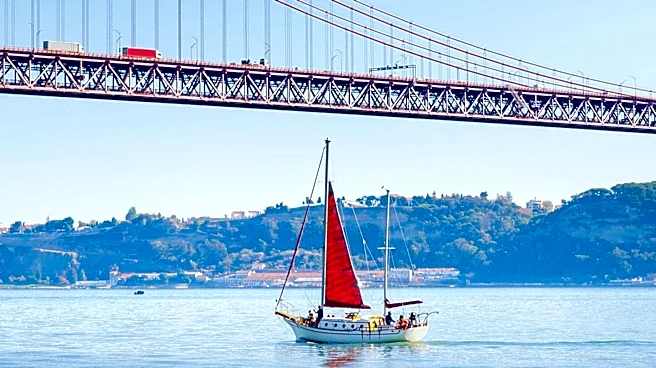
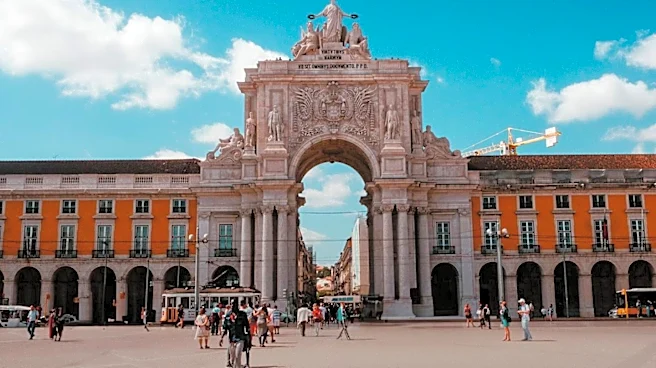
of the Lisbon airport compared to American airports, and the city's hilly terrain presented an immediate change. Language barriers were quickly encountered, with students relying on Google Translate despite some speaking Spanish. Dining experiences differed, with water not being automatically served and a small charge for bread and butter. Meals were observed to be longer, often lasting up to two hours, reflecting a more relaxed pace. While the local cuisine, rich in fish, was appreciated, attempts to find familiar international foods like Mexican cuisine revealed adaptations that differed significantly from their American counterparts. The students also observed the city's beautiful architecture and historical sites, noting why Lisbon is called 'the white city' due to its white buildings with colorful details and orange roofs.
Why It's Important?
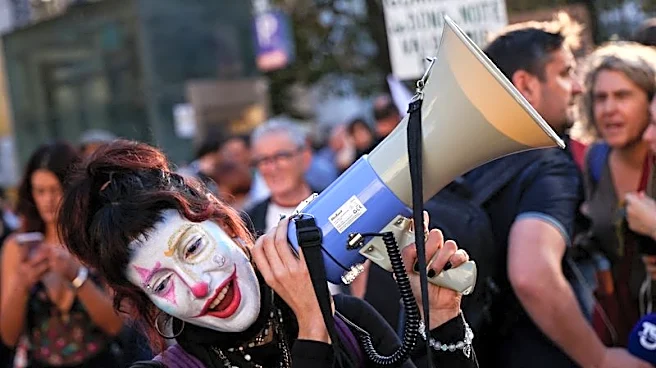
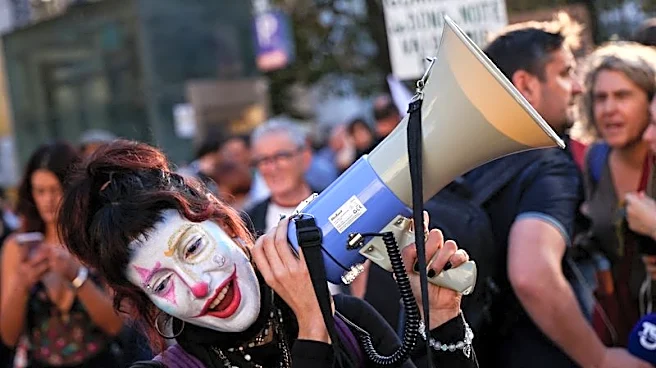
This experience highlights the complexities and realities of international travel and cultural immersion for U.S. students. The initial language barriers and dining customs underscore the importance of thorough cultural preparation for those venturing abroad, even in seemingly Westernized countries. The observations regarding the city's infrastructure, such as steep cobblestone stairs, reveal accessibility challenges that can impact local populations, particularly the elderly and disabled, a perspective often overlooked by tourists. Furthermore, the encounters with an Uber driver struggling to find work despite a Master's degree and local protests against new hotel developments shed light on the socio-economic pressures faced by residents in popular tourist destinations. These issues, including job market saturation and displacement due to tourism, are critical for understanding the broader impact of global tourism on local communities and economies, offering a nuanced view beyond the typical tourist experience.
What's Next?
For the University of Alabama students, the immediate future involves continued adaptation to Portuguese culture and further exploration of Lisbon. Their experiences will likely contribute to their academic understanding of international business and cultural studies. For the university's study abroad program, these insights could inform future pre-departure orientations, emphasizing practical aspects like language preparation, local customs, and awareness of socio-economic issues in host countries. The observations about the impact of tourism on locals might encourage students to engage more deeply with community issues during their stay. As for Lisbon, the ongoing challenges of balancing tourism benefits with local quality of life, as evidenced by protests against new hotels, suggest continued discussions and potential policy adjustments regarding urban development and tourism management.
Beyond the Headlines
The students' experiences in Portugal reveal deeper implications beyond typical tourist observations. The relaxed pace of life and dining, contrasting with fast-paced American culture, offers a valuable lesson in different approaches to work-life balance and social interaction. The kindness and willingness of locals to assist with language barriers and daily tasks, despite communication difficulties, underscore the universal human desire for connection and mutual aid. However, the underlying issues of accessibility for the elderly and disabled, and the economic struggles of immigrants like the Uber driver, highlight systemic challenges that exist even in picturesque European cities. The 'less tourism, more neighborhood' protests reflect a growing global sentiment in popular destinations where over-tourism can lead to displacement and loss of local identity, prompting ethical considerations about sustainable tourism and responsible travel. These observations provide a critical lens through which to view the interconnectedness of culture, economy, and social equity in a globalized world.