






What's Happening?
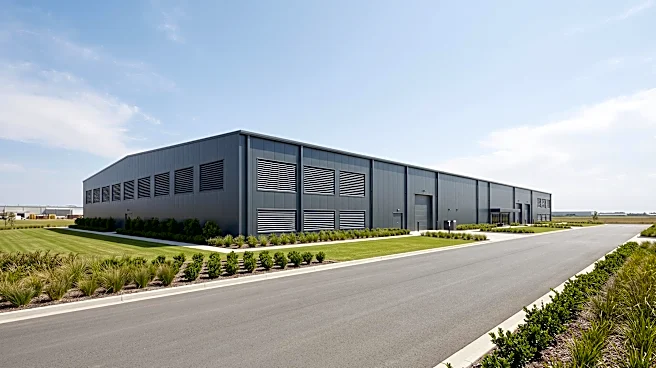
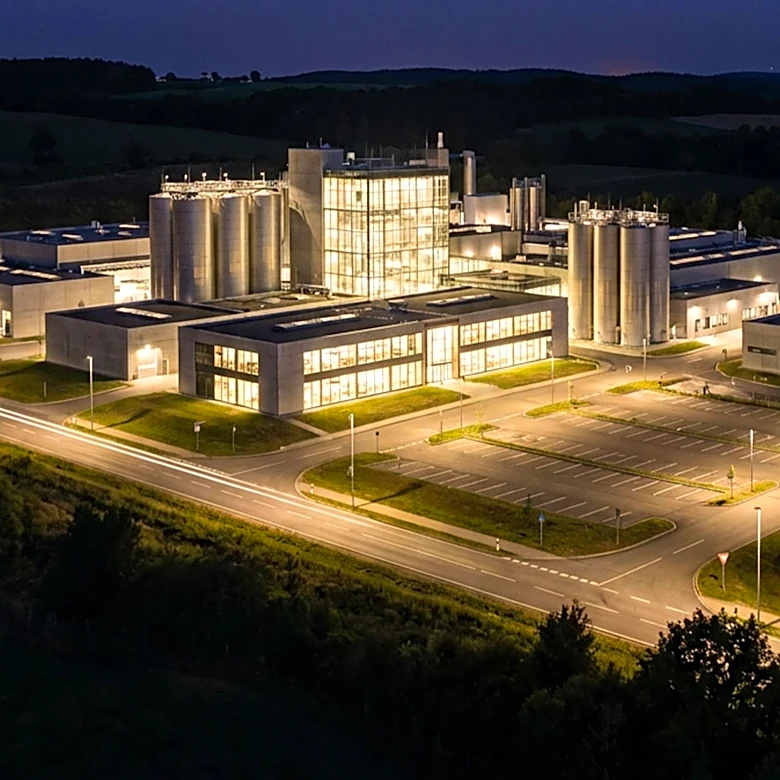
The development of data centers is significantly altering farmland values in various parts of the United States, according to ag real estate experts Robert Veldman of Pinion Land Advisory and Quint Shambaugh. Traditionally, farmland is valued based on its
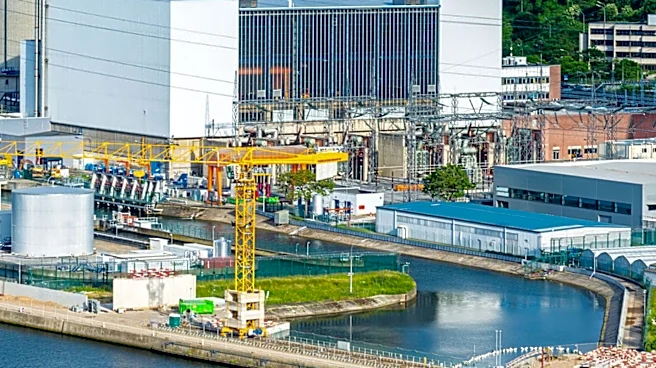
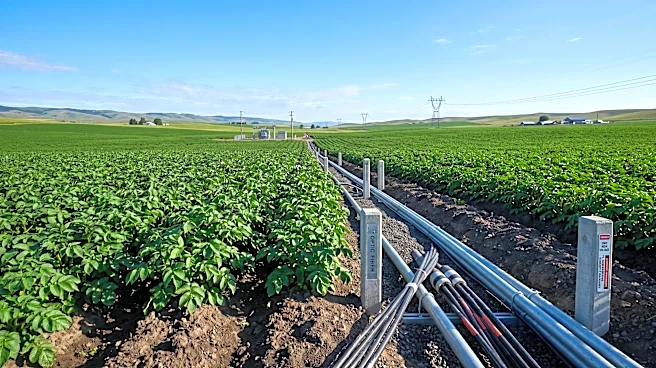
agricultural productivity. However, this paradigm is shifting towards valuing land based on its proximity to essential infrastructure for data centers. Veldman notes that parcels near data centers can initially see their value increase by 10 to 15 times their appraised agricultural value. This surge is driven by the critical need for power and fiber accessibility in rural areas, which are primary considerations for data center companies. Shambaugh emphasizes that without sufficient energy infrastructure, construction is impossible. Water availability is also a factor, though less critical now due to advancements in closed-loop cooling systems. Flexibility in local and state permitting processes is another key element influencing site selection and, consequently, land values. However, Veldman also points out a potential downside: as more data centers are established near an initial facility, the land values in the immediate vicinity can subsequently decrease.
Why It's Important?
This shift in farmland valuation has profound implications for U.S. agriculture, rural economies, and land use planning. Farmers and landowners in areas targeted for data center development stand to gain substantial financial windfalls, potentially leading to significant wealth transfer. Conversely, this trend could accelerate the conversion of agricultural land to industrial use, reducing the overall acreage available for food production. Local governments face the challenge of balancing economic development opportunities with the preservation of agricultural heritage and environmental concerns. The increased demand for power and water by data centers could also strain existing utility infrastructures in rural communities. Furthermore, the fluctuating nature of land values—initial spikes followed by potential declines as more data centers emerge—introduces volatility and uncertainty into the rural real estate market, affecting long-term investment and planning for both agricultural and industrial stakeholders.
What's Next?
As the demand for data centers continues to grow, driven by increasing digitalization and artificial intelligence, more rural areas across the U.S. are likely to experience these valuation shifts. Landowners in regions with robust power grids and fiber optic networks may see increased interest from data center developers. Local and state zoning boards will likely face growing pressure to streamline permitting processes while also addressing community concerns about land use, environmental impact, and infrastructure strain. There may be a need for new policy frameworks to manage the balance between agricultural land preservation and industrial development. Additionally, agricultural real estate markets will need to adapt to these new valuation metrics, potentially leading to specialized advisory services for landowners navigating data center development opportunities. The long-term impact on rural landscapes and agricultural communities will depend on how these competing interests are managed and regulated.
Beyond the Headlines
The evolving valuation of farmland due to data center expansion highlights a broader societal tension between technological advancement and traditional land use. Ethically, it raises questions about the equitable distribution of benefits and burdens, as some landowners may profit immensely while others in the agricultural sector face increased competition for land or displacement. Legally, it could lead to new challenges in property rights, eminent domain, and environmental regulations as industrial and agricultural interests clash. Culturally, the transformation of agricultural landscapes into tech hubs could alter the identity of rural communities, potentially eroding traditional farming lifestyles and community structures. This trend also underscores the increasing importance of digital infrastructure as a primary driver of economic value, even in historically agricultural regions, signaling a long-term shift in how land is perceived and utilized in the modern economy.