
What's Happening?
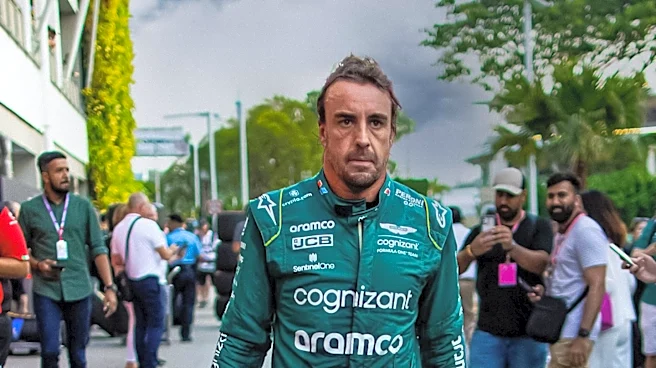
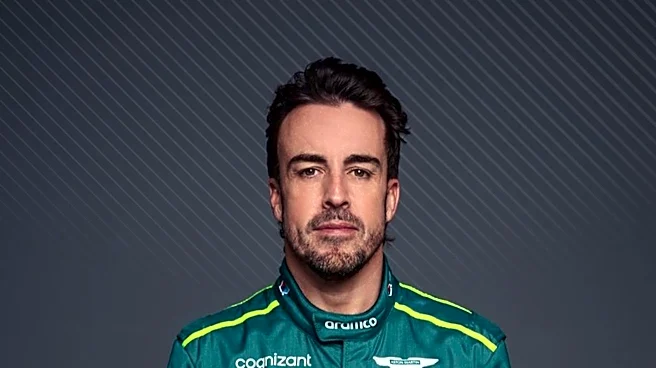
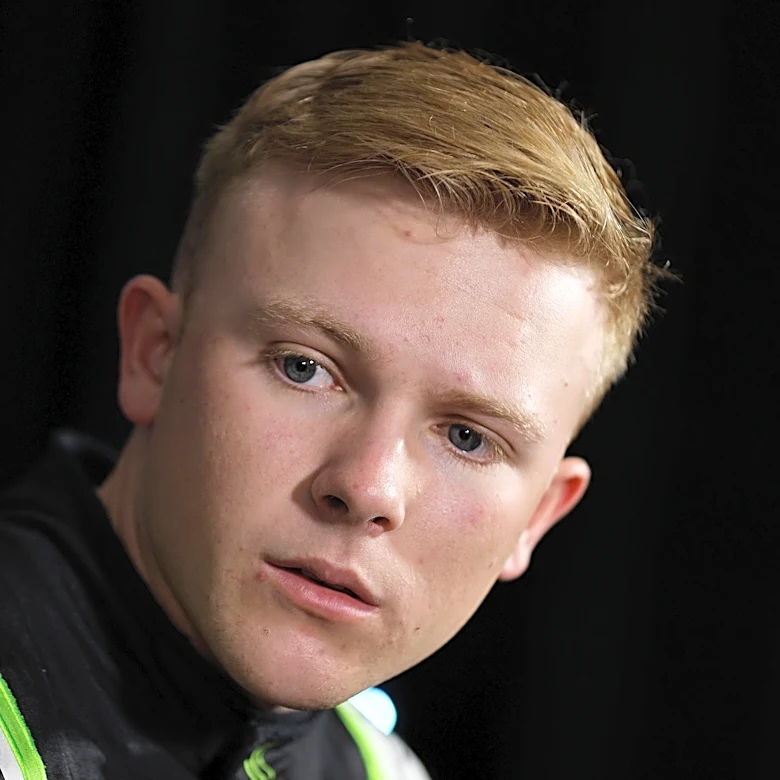
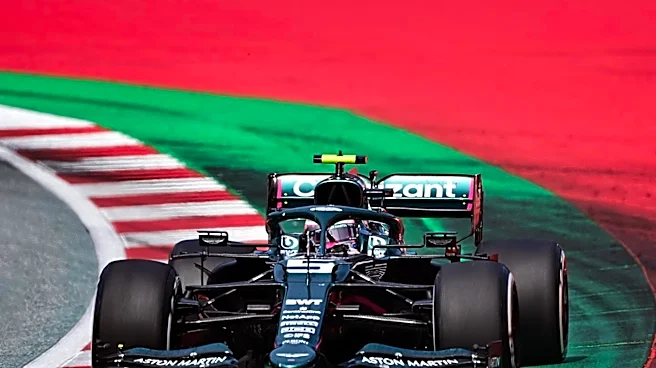
Acura is set to return to the Formula 1 grid at the 2026 Las Vegas Grand Prix, with its logos prominently featured on the Aston Martin Aramco Formula One Team's AMR26 cars, as well as on the race suits and helmets of drivers Lance Stroll and Fernando
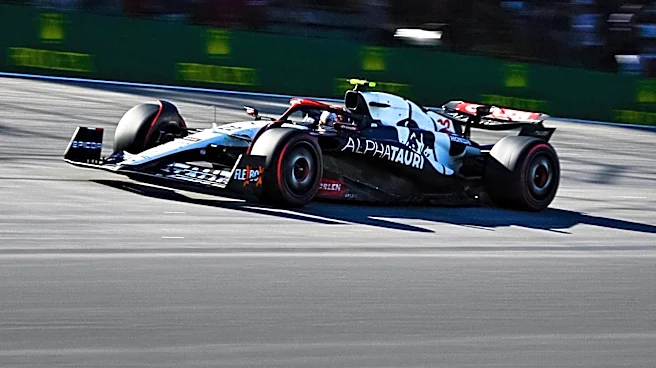
Alonso. This marks a continuation of Acura's tradition of showcasing its performance identity in Formula 1 events held in North America. For the Las Vegas race weekend, Acura branding will replace primary Honda logos on various parts of the cars and driver gear. Additionally, Acura logos will appear on F1 Academy suits for the first time, expanding the brand's presence beyond the main Formula 1 drivers. This move builds on Acura's previous appearances, including the 2021 United States Grand Prix where its branding was on Red Bull Racing Honda and Scuderia AlphaTauri Honda cars.
Why It's Important?
Acura's return to the Formula 1 grid, particularly at a high-profile event like the Las Vegas Grand Prix, is a significant marketing and brand-building initiative. By associating with Formula 1, Acura aims to reinforce its "Precision Crafted Performance" identity, connecting its automotive brand with the pinnacle of motorsport engineering and speed. The North American market is crucial for Acura, and its presence at the Las Vegas Grand Prix allows for direct engagement with a large and enthusiastic audience. This sponsorship not only enhances brand visibility but also signals Acura's commitment to high-performance automotive technology. The expansion of Acura branding to F1 Academy suits also demonstrates a strategic move to connect with a younger demographic and support the development of women in motorsport, aligning with broader industry trends towards diversity and inclusion. This move can translate into increased brand recognition, customer loyalty, and ultimately, sales in the competitive U.S. automotive market.
What's Next?
Acura's continued presence in North American Formula 1 events suggests a long-term strategy to leverage motorsport for brand promotion. Following the Las Vegas Grand Prix, Acura will likely assess the impact of this branding initiative on its market perception and sales. Future engagements could include similar branding exercises at other U.S. or North American Grand Prix events. The involvement with F1 Academy also indicates a potential for deeper engagement in motorsport development programs. For Aston Martin Aramco, the partnership with Acura provides additional sponsorship revenue and strengthens its ties with a prominent automotive brand, potentially leading to future technical collaborations. The success of this branding strategy could influence other automotive manufacturers to increase their involvement in Formula 1, particularly in key markets like the U.S., further boosting the sport's commercial appeal.
Beyond the Headlines
Acura's strategic decision to feature its branding in Formula 1, particularly by replacing Honda logos, highlights the complex brand architecture and marketing strategies within large automotive groups. While Honda is the parent company, Acura operates as its luxury and performance division in North America. This move allows Acura to cultivate a distinct high-performance image tailored to the North American market, differentiating itself from the broader Honda brand. It also reflects a broader trend in motorsport where regional branding takes precedence to resonate with local audiences. The involvement in F1 Academy also carries a social dimension, promoting gender diversity in a traditionally male-dominated sport. This strategic branding not only aims for commercial gains but also seeks to align Acura with contemporary values and aspirations, potentially influencing consumer perceptions beyond just vehicle performance to include corporate responsibility and forward-thinking initiatives.