


What's Happening?
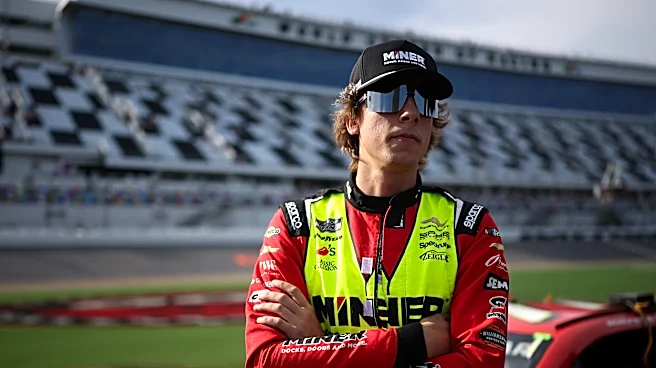
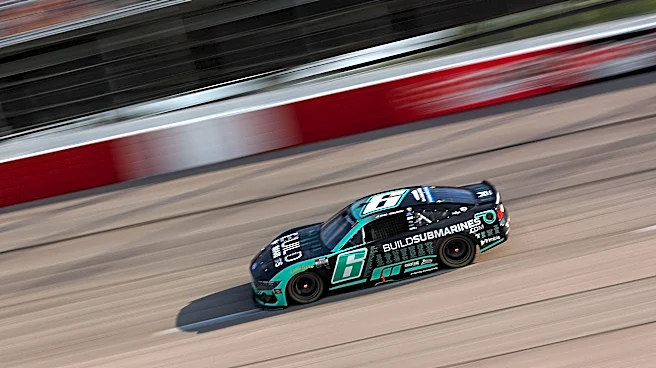
Former Daytona 500 Champion Jamie McMurray has issued a warning regarding NASCAR driver Carson Hocevar's career trajectory, suggesting that Hocevar is prioritizing popularity and 'selling t-shirts' over earning the respect of his fellow competitors. Speaking
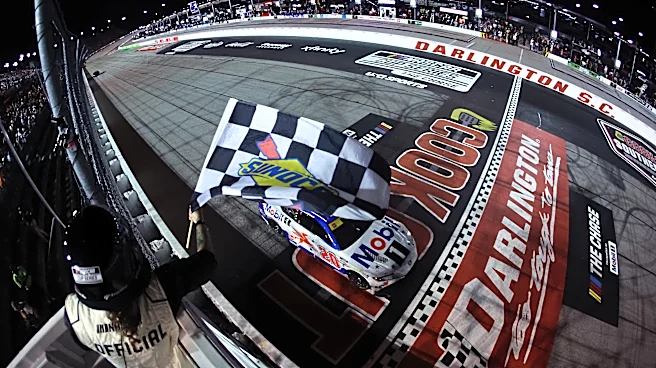
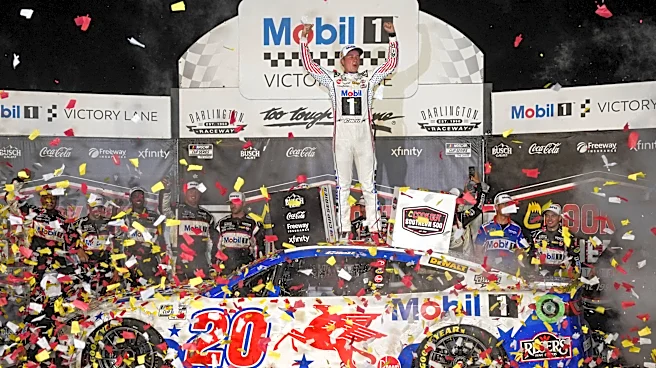
on the 'Door Bumper Clear' podcast, McMurray criticized Hocevar's increasingly controversial approach to racing, comparing it to the standards he would set for his own son. He acknowledged Hocevar's natural skill, likening it to that of Ryan Blaney and Kyle Larson, and praised his creativity in traffic. However, McMurray emphasized that raw talent does not compensate for poor decision-making, placing Hocevar among drivers with low 'racing IQ.' This discussion follows a recent incident at Darlington Raceway's Southern 500, where Hocevar made contact with Brad Keselowski, leading to Keselowski's public threat of retaliation. Hocevar, who denied deliberate contact, responded defiantly to Keselowski's warning.
Why It's Important?
This commentary from a respected NASCAR veteran like Jamie McMurray highlights a significant concern within the sport regarding driver conduct and its long-term implications. The emphasis on peer respect is crucial in a competitive environment like NASCAR, where on-track interactions and reputations can influence future opportunities, sponsorships, and even safety. Hocevar's perceived prioritization of fan engagement over professional conduct could alienate fellow drivers, potentially leading to more aggressive on-track confrontations and a diminished standing within the racing community. While attracting new fans is beneficial for NASCAR, McMurray's argument suggests that this should not come at the expense of fundamental racing ethics and respect. The public exchange between Hocevar and Brad Keselowski further underscores the tension, indicating that Hocevar's actions are already impacting his relationships with other drivers and could lead to retaliatory actions on the track.
What's Next?
The immediate future will likely see continued scrutiny of Carson Hocevar's on-track behavior and interactions with other drivers. Following Brad Keselowski's public threat, there is an increased possibility of further confrontations or retaliatory actions in upcoming races, which could lead to penalties from NASCAR officials. Hocevar's team, Spire Motorsports, has seemingly embraced the controversy, using it as a marketing tool, which may further entrench his current approach. It remains to be seen if McMurray's warning, or any potential consequences from NASCAR, will prompt a change in Hocevar's strategy. The ongoing debate will likely continue to be a topic of discussion among fans, media, and within the NASCAR garage, influencing public perception and potentially shaping Hocevar's career trajectory in the sport.
Beyond the Headlines
Beyond the immediate racing implications, this situation touches upon broader themes of sportsmanship, professional conduct, and the evolving landscape of athlete branding in modern sports. In an era where social media and direct fan engagement are paramount, athletes face increasing pressure to cultivate a public persona, sometimes leading to choices that prioritize entertainment value over traditional sporting ethics. McMurray's critique suggests a tension between generating popularity and maintaining the integrity and respect within a professional sport. This dynamic raises questions about the long-term impact on NASCAR's culture, the role of veteran mentorship, and how the sport balances attracting new audiences with upholding its established values of competition and mutual respect among drivers. The incident also highlights the ethical considerations for teams in how they manage and market drivers who engage in controversial behavior.