




What's Happening?
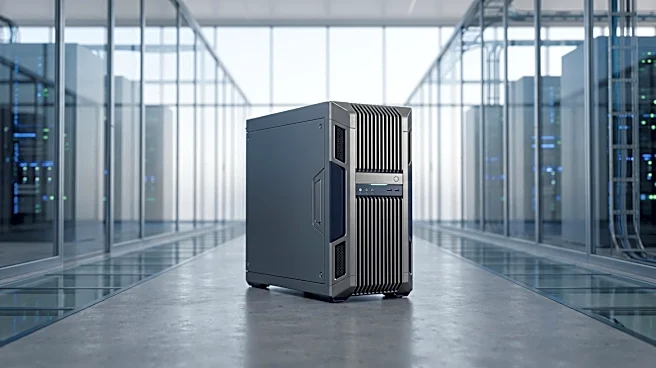
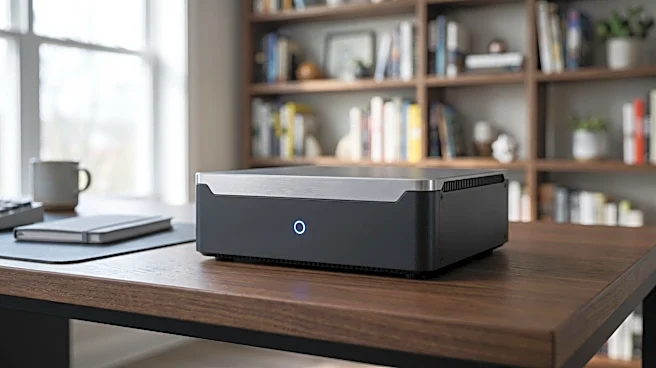
Building a home server in 2026 is presented as a viable investment to save money on streaming subscriptions for movies, TV, and music. While there are upfront costs, these are expected to be offset by eliminating recurring subscription fees. The article
notes that self-hosting solutions can be scaled to individual needs, ranging from using a Raspberry Pi to repurposing an old Mac Mini or PC. However, current market conditions, influenced by AI data centers and other global events, have led to increased prices for components like RAM, making even a Raspberry Pi more expensive. For optimal compatibility and flexibility, running a Linux distribution is recommended, as it is free. The use of Docker, a software that hosts other software in isolated containers, is also highlighted for its ability to maintain system stability.
Why It's Important?
This trend is significant for U.S. consumers facing increasing costs for digital entertainment and cloud services. The ability to self-host media and data offers a pathway to greater digital independence and long-term financial savings, challenging the prevalent subscription-based model. The rising prices of tech components, particularly RAM, due to factors like AI data center demand, reflect broader economic and technological shifts impacting the consumer electronics market. This situation encourages a more DIY approach to technology, potentially fostering a community of tech-savvy individuals who prefer to build and manage their own digital infrastructure. It also highlights the growing importance of open-source solutions like Linux and Docker in providing cost-effective and flexible alternatives to proprietary systems.
What's Next?
As subscription costs continue to rise, more consumers may explore building home servers as a cost-saving measure. This could lead to an increased demand for affordable, low-power computing hardware suitable for server applications. The open-source community around platforms like Linux and Docker is likely to grow, offering more resources, tutorials, and support for new users. Manufacturers might also respond by developing more consumer-friendly server hardware or pre-built solutions. However, the ongoing impact of AI data center demand on component pricing could remain a challenge, potentially driving innovation in more efficient or alternative hardware solutions for home use. The long-term trend points towards a more diversified approach to digital content consumption, balancing convenience with cost-effectiveness and personal control.
Beyond the Headlines
The movement towards home servers and self-hosting represents a subtle but significant pushback against the centralization of digital services and the 'rent-seeking' nature of many tech companies. It speaks to a desire for greater data sovereignty and control over personal digital assets, moving away from reliance on third-party cloud providers. Ethically, it raises questions about digital ownership and the right to access and manage one's own content without perpetual fees. Culturally, it fosters a spirit of technological self-reliance and experimentation, reminiscent of earlier eras of personal computing. This shift could also have long-term implications for internet infrastructure, potentially leading to more distributed networks and reduced reliance on large data centers for everyday media consumption, thereby impacting energy consumption and digital privacy landscapes.