





What's Happening?
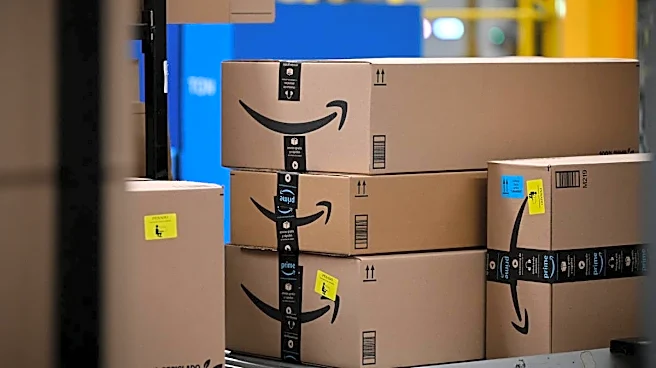
Amazon is facing a nationwide class-action lawsuit filed on September 8, alleging the company failed to provide basic workplace accommodations for thousands of pregnant employees and subsequently terminated or threatened to terminate them for taking pregnancy-related
breaks or time off. The lawsuit, shared exclusively with USA TODAY by the nonprofit A Better Balance, names four plaintiffs and claims Amazon's discriminatory practices have been well-documented through numerous Equal Employment Opportunity Commission (EEOC) complaints and state investigations. One plaintiff, Willamina Barclay, was allegedly fired after experiencing a pregnancy-related medical emergency at work, following delays in approving her accommodation requests. Another, Kristina Green, claims she was written up multiple times and eventually fired for taking too long to pump breast milk, despite the lactation room being a significant distance from her workstation. Amazon, through a spokesperson, stated that ensuring employee well-being is a priority, and over 99.9% of pregnancy-related accommodation requests were approved in the past year, calling the lawsuit's accounts inaccurate.
Why It's Important?
This class-action lawsuit against Amazon is highly significant as it addresses systemic issues of workplace discrimination against pregnant workers, particularly in physically demanding blue-collar roles. The allegations highlight a potential failure to comply with federal protections like the Pregnant Workers Fairness Act, which mandates reasonable accommodations for pregnant employees. The lawsuit's outcome could force Amazon, one of the largest employers in the U.S., to significantly reform its policies and practices regarding pregnant workers, setting a precedent for other large corporations. It also brings to light the disparities in workplace treatment, with blue-collar workers and women of color often facing greater challenges in securing necessary accommodations. The case coincides with the EEOC's plans to propose revisions to the Pregnant Workers Fairness Act in November, suggesting a broader national conversation and potential policy changes aimed at strengthening protections for pregnant employees.
What's Next?
The class-action lawsuit will proceed through the legal system, with Amazon expected to formally respond to the allegations. The plaintiffs and A Better Balance will likely continue to gather evidence and testimonies from other affected employees. The EEOC's upcoming proposed revisions to the Pregnant Workers Fairness Act in November could influence the legal landscape surrounding this case and potentially strengthen the plaintiffs' arguments. Depending on the court's decisions, Amazon could face substantial financial penalties and be mandated to implement comprehensive policy changes regarding pregnancy accommodations, break times, and termination protocols. This case may also encourage more pregnant workers to come forward with similar complaints, potentially leading to further legal actions or increased regulatory scrutiny across various industries.
Beyond the Headlines
Beyond the immediate legal battle, this lawsuit against Amazon illuminates the persistent challenges faced by working mothers in the U.S., particularly those in physically demanding jobs. The allegations of delayed accommodations, punitive measures for necessary breaks, and terminations underscore a broader societal issue where corporate policies may not adequately support the health and well-being of pregnant employees. This case could spark a national dialogue about the true cost of inadequate workplace protections for pregnant individuals, not just for the individuals themselves but for families and the economy. It also raises ethical questions about corporate responsibility and the balance between productivity demands and employee welfare. The outcome could contribute to a cultural shift, emphasizing the importance of creating truly supportive work environments for all employees, especially those with unique health needs like pregnancy, and challenging the notion that pregnancy should be a barrier to employment or career advancement.