






What's Happening?
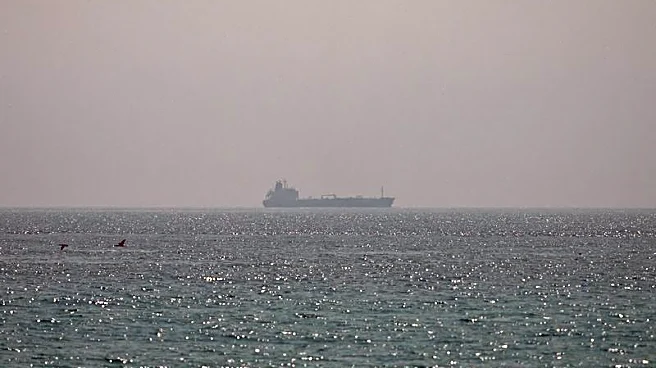
Gulf producers, including Saudi Arabia, the UAE, and Qatar, are rapidly loading oil and LNG onto vessels at Persian Gulf ports despite recent attacks on commercial vessels near the Strait of Hormuz. The U.S. and Iran have agreed to a temporary ceasefire,
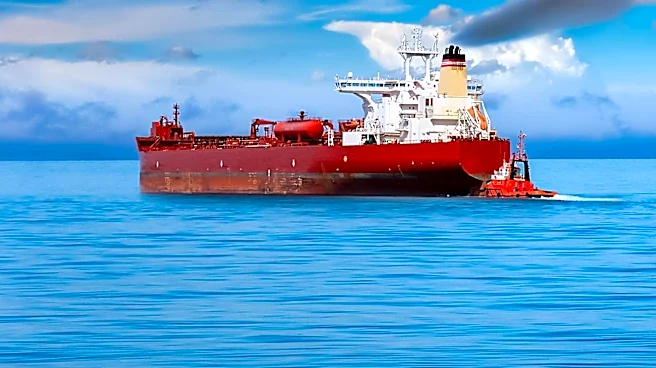
allowing for continued oil and LNG loadings. Iran is also increasing its oil loadings from Kharg Island, taking advantage of a 60-day waiver on U.S. sanctions. The situation remains tense, with recent U.S. strikes on Iranian targets following attacks on ships in the region. Despite these tensions, loading activities continue, with supertankers departing the region and heading to international markets.
Why It's Important?
The ongoing tensions in the Strait of Hormuz, a critical chokepoint for global oil and LNG shipments, have significant implications for energy markets. The ability of Gulf producers to continue loading and exporting oil and LNG is crucial for maintaining global energy supply stability. The temporary ceasefire and waiver of U.S. sanctions on Iranian oil sales provide a window of opportunity for increased exports, but the situation remains fragile. Any disruption in the Strait of Hormuz could lead to significant supply chain challenges and impact global energy prices. The geopolitical dynamics in the region underscore the importance of diplomatic efforts to ensure the security of energy supply routes.
What's Next?
The temporary ceasefire and ongoing negotiations between the U.S. and Iran will be critical in determining the future stability of the Strait of Hormuz. The potential for renewed hostilities or further attacks on commercial vessels could disrupt energy exports and impact global markets. The outcome of the negotiations will influence the long-term framework for traffic through the strait and the continuation of sanctions waivers. Energy markets will closely monitor the situation, with potential implications for oil and LNG prices and supply chain stability. The geopolitical landscape in the region will continue to play a significant role in shaping energy market dynamics.