
What's Happening?
Fast-fashion retailer Shein has agreed to pay $100 million to settle federal claims regarding misleading practices and inadequate customer service. The Federal Trade Commission (FTC) announced that these
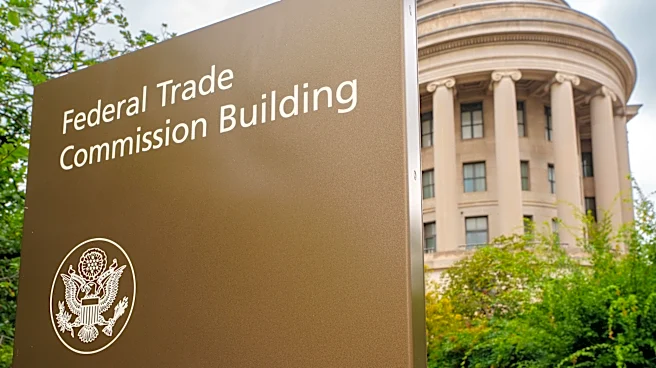
funds will be used to reimburse affected consumers. FTC Chairman Andrew Ferguson stated on X that Americans expect a basic level of customer service, criticizing companies that force consumers to deal with unresponsive call centers, endless chats, or ineffective chatbots. The FTC's complaint, filed in federal court in California, alleged that Shein violated consumer-protection laws by misrepresenting the origin of some goods, illegally screening customer reviews, and providing poor customer service. For instance, testers found that cotton claimed by Shein's suppliers to be U.S.-grown was actually from China. Ferguson highlighted Shein's alleged use of email or chatbots that were often disabled during business hours or were nonresponsive, leaving consumers without a meaningful way to resolve issues. According to the FTC, Shein lacked a customer service number for years and had only five agents until September 2025. Shein, which ships nearly 1 million packages daily to the U.S., did not admit liability and disagreed with aspects of the FTC's characterization of its business and compliance practices.
Why It's Important?
This settlement underscores the FTC's commitment to enforcing consumer protection laws, particularly in the rapidly evolving e-commerce sector. The $100 million payment and the requirement for Shein to improve its customer service channels set a precedent for other online retailers, emphasizing the importance of transparency and effective consumer support. For U.S. consumers, this means a potential reimbursement for past issues with Shein and an expectation of better service standards from the company moving forward. It also signals to the broader e-commerce industry that misleading claims about product origin and inadequate customer service will not be tolerated. Companies that rely on fast-fashion models and high-volume sales will need to re-evaluate their customer interaction strategies and supply chain transparency to avoid similar legal challenges. This action by the FTC aims to restore consumer trust in online shopping by ensuring that companies are held accountable for their promises and practices, ultimately benefiting the American public by fostering a more reliable marketplace.
What's Next?
Following the settlement, Shein is obligated to maintain customer service channels that provide timely and effective assistance to consumers. The $100 million payment will be directed towards reimbursing consumers who were impacted by the company's misleading practices and poor customer service. The FTC will likely monitor Shein's compliance with the terms of the agreement to ensure that the required improvements are implemented and sustained. This settlement could also prompt other e-commerce companies, especially those operating with similar business models, to proactively review and enhance their customer service operations and product transparency to avoid similar regulatory scrutiny. Consumers who have experienced issues with Shein may receive notifications regarding the reimbursement process. The broader implication is a potential shift in industry standards, where robust customer support and accurate product information become more critical for online retailers to maintain regulatory compliance and consumer trust.
Beyond the Headlines
The Shein settlement highlights a growing concern within the e-commerce landscape regarding the balance between rapid growth, low prices, and consumer protection. The FTC's focus on customer service and product origin claims points to a broader regulatory effort to address the challenges posed by global supply chains and the digital marketplace. The alleged illegal screening of customer reviews also raises ethical questions about transparency and the manipulation of consumer feedback, which can significantly influence purchasing decisions. This case could encourage a re-evaluation of how online platforms manage user-generated content and ensure its authenticity. Furthermore, the emphasis on the origin of goods, particularly cotton, touches upon issues of ethical sourcing and environmental impact, suggesting that regulatory bodies are increasingly looking beyond just transactional fairness to the broader societal and ecological implications of business practices. This could lead to more stringent requirements for supply chain verification and greater accountability for companies operating internationally.