






What's Happening?
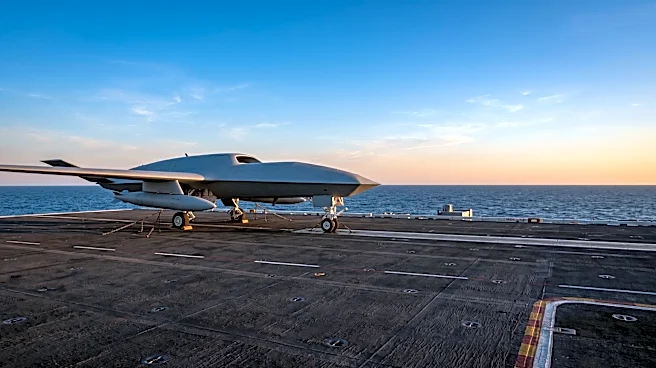
Boeing has been awarded a $552 million fixed-price contract by the U.S. Navy for the delivery of three "Lot One" MQ-25A Stingray drones. This contract also includes funding for the advance acquisition of long-lead components for three additional "Lot Two"
aircraft. The MQ-25A Stingray is a drone refueling tanker designed to operate from aircraft carriers, extending the range of piloted fighter jets. This development comes after Boeing won the Navy's design competition nearly a decade ago and completed its first test flight from a U.S. carrier earlier this year. The initial program cost was estimated by the U.S. Government Accountability Office at $15.8 billion for 76 drones, averaging about $207 million each. However, this new contract suggests a per-unit cost of $184 million or less for the initial batch, representing a significant discount from earlier projections. While the project is several years behind its initial delivery schedule, with initial operating capability not expected before 2029 and full contract completion by 2031, the cost reduction is a notable positive for the Navy.
Why It's Important?
This contract is significant for Boeing as it demonstrates the company's ability to deliver defense products potentially under budget, which could enhance its reputation and competitiveness for future government contracts. For the U.S. Navy, acquiring the MQ-25A Stingray drones at a lower cost than anticipated is a substantial financial benefit, allowing for more efficient use of defense spending. The Stingray program is crucial for enhancing the operational reach and effectiveness of carrier-based air wings by providing essential aerial refueling capabilities. This capability will enable fighter jets to conduct missions at greater distances, thereby strengthening naval power projection. The successful deployment of these drones could also pave the way for further integration of unmanned aerial systems into naval operations, potentially transforming future aerial combat and support strategies. The cost efficiency achieved in this deal could influence future defense procurement strategies, encouraging other contractors to deliver projects within or below budget.
What's Next?
Boeing will proceed with the production and delivery of the initial three MQ-25A Stingray drones, with initial operating capability anticipated by 2029. The contract also sets the stage for the acquisition of components for three subsequent aircraft, indicating a continued commitment to the program. The Navy will likely monitor the progress of these deliveries and the performance of the drones closely as they move towards full integration into carrier operations. Future contract awards for additional Stingray units will depend on the successful execution of this initial phase and the Navy's evolving strategic needs. Boeing will also need to manage the remaining development and production timelines to meet the 2031 completion target, addressing any further delays. The company's performance on this contract, particularly regarding cost and delivery, will be a key factor in securing future defense projects and maintaining its standing as a major defense contractor.
Beyond the Headlines
The development of the MQ-25A Stingray represents a broader shift in military aviation towards unmanned systems for critical support roles. While the Stingray itself is not a combat drone, its refueling capability frees up manned fighter jets from performing refueling tasks, allowing them to focus on combat missions. This could lead to a re-evaluation of aircraft carrier air wing compositions and operational doctrines, potentially increasing the overall combat power and endurance of carrier strike groups. The cost-effectiveness demonstrated in this contract could also set a precedent for future defense acquisitions, pushing for greater fiscal discipline from defense contractors. Furthermore, the successful integration of such advanced unmanned systems could accelerate the development and deployment of other autonomous platforms across various military branches, signaling a long-term trend towards more automated and networked defense capabilities. This also raises questions about the evolving roles of personnel in naval aviation as automation increases.