





What's Happening?
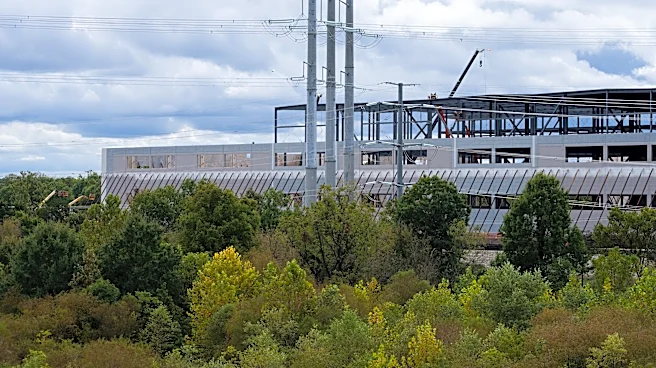
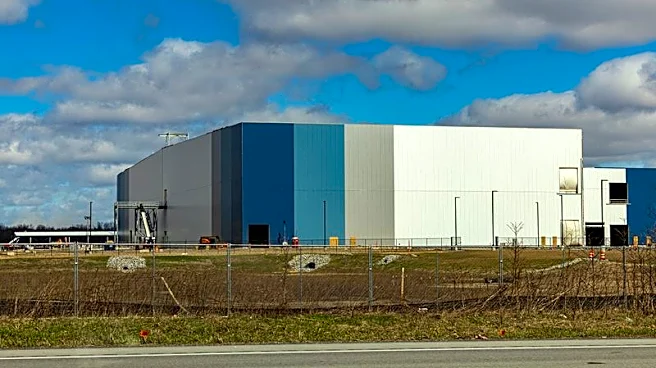
LG Electronics is establishing a new HVAC systems assembly facility in Isle of Wight County, Virginia, with an investment exceeding $63.9 million. This project is projected to create 164 new jobs. The facility, located at the 460 Commerce Center in Shirley
T. Holland Intermodal Park, will focus on manufacturing large-scale air-cooled chillers for industrial clients across North America. Production is slated to commence in the first half of 2027. This initiative is part of LG's broader strategy to expand its global HVAC business and enhance its capacity to serve the North American market. The company emphasizes that these air-cooled centrifugal chillers will incorporate refrigerant-free cooling technology, utilizing cool outdoor air to reduce compressor cooling load and conserve energy. Virginia officials view this development as a significant boost to the state's growing climate and temperature systems manufacturing sector, highlighting the role of HVAC equipment in supporting various industrial operations within the Commonwealth. The project received support from Dominion Energy, which assisted in providing an energy solution for the site, and involved partnerships with the Virginia Economic Development Partnership, The Port of Virginia, the Hampton Roads Alliance, and the Hampton Roads Workforce Council.
Why It's Important?
This investment by LG Electronics is important for several reasons, impacting both the regional economy of Virginia and the broader U.S. industrial landscape. The creation of 164 jobs in Isle of Wight County will provide significant economic opportunities for local residents, contributing to workforce development and regional economic resilience. For the U.S. manufacturing sector, the establishment of LG's first chiller plant in the country signifies a move towards strengthening domestic production capabilities for advanced cooling technologies. This can reduce reliance on international supply chains, enhancing national industrial security and responsiveness to market demands. Furthermore, the focus on energy-efficient, refrigerant-free cooling technology aligns with national goals for energy conservation and environmental sustainability. As industries increasingly seek to reduce their carbon footprint, the availability of such advanced HVAC systems manufactured domestically can support broader decarbonization efforts across various sectors. This development also underscores the importance of regional infrastructure, utility coordination, and workforce planning in attracting and supporting large-scale manufacturing operations, setting a precedent for other states vying for similar investments.
What's Next?
Looking ahead, LG Electronics plans to begin production at the new Virginia facility in the first half of 2027. This will involve the hiring and training of the 164 new employees, which will require collaboration with local workforce development programs and educational institutions to ensure a skilled labor force. The successful ramp-up of production will be crucial for LG to meet the growing demand for advanced cooling technologies in North America. The project's emphasis on energy-efficient chillers suggests a continued focus on sustainable manufacturing practices and product innovation. This could lead to further investments in research and development within the U.S. to enhance these technologies. Additionally, the success of this facility could encourage other international manufacturers to consider similar investments in U.S. states, particularly those with strong logistical infrastructure and supportive economic development initiatives. Local and state officials will likely monitor the economic impact of the plant, including job retention and further community development, potentially using this project as a model for future industrial recruitment efforts.
Beyond the Headlines
Beyond the immediate economic benefits, LG's investment in Virginia carries deeper implications for industrial policy and environmental sustainability in the U.S. The decision to establish a domestic chiller plant, particularly one focused on energy-efficient technology, reflects a broader trend towards reshoring manufacturing and localizing supply chains, driven by geopolitical considerations, supply chain vulnerabilities, and a desire for greater control over product quality and environmental standards. This move could stimulate further innovation in the HVAC sector, pushing competitors to also adopt more sustainable and advanced manufacturing processes. Ethically, the creation of jobs in a rural county like Isle of Wight highlights the potential for industrial development to address regional economic disparities and provide opportunities in areas that might otherwise be overlooked. Culturally, the presence of a major international manufacturer like LG can foster a more diverse and skilled workforce, potentially leading to long-term educational and vocational benefits for the community. The project also subtly underscores the increasing importance of industrial decarbonization and energy performance goals, demonstrating how large-scale manufacturing can align with broader societal objectives for a greener economy.