
What's Happening?
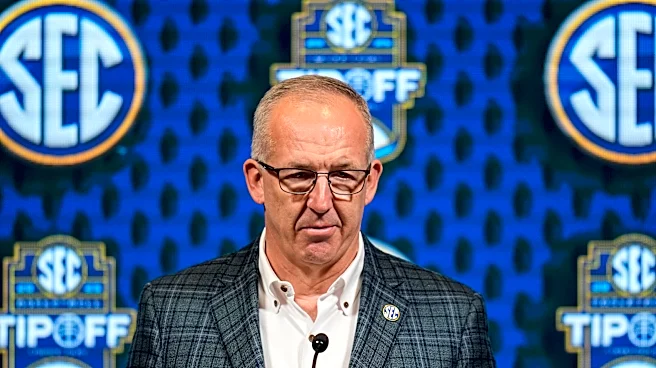
University of Tennessee Chancellor Donde Plowman, who chairs the SEC presidents and chancellors, has issued a statement regarding the Protect College Sports Act, a legislative proposal by Senators Ted
Cruz and Maria Cantwell. The bill aims to establish national standards for college athletics, addressing issues such as inconsistent state laws and a surge of lawsuits affecting the sector. Plowman emphasized the need for revised language in the bill to ensure it effectively stabilizes college sports. The SEC, along with the Big Ten, has been actively involved in discussions with lawmakers to refine the bill, which could be brought to a Senate floor vote before August 7. The proposed legislation seeks to regulate aspects like transfer rules and eligibility, aiming to prevent disruptions in student-athletes' education and team dynamics.
Why It's Important?
The Protect College Sports Act is significant as it addresses the growing complexities and legal challenges in college athletics. By establishing clear national standards, the bill aims to create a more stable environment for student-athletes, universities, and fans. The involvement of major conferences like the SEC and Big Ten highlights the bill's potential impact on the future of college sports. If passed, the legislation could prevent the current patchwork of state laws from undermining the integrity and competitiveness of college athletics. The bill's success could also set a precedent for how federal law can harmonize regulations across states, benefiting stakeholders by reducing legal uncertainties and fostering a fairer playing field.
What's Next?
As the bill approaches a potential Senate floor vote, further discussions and revisions are expected. The SEC and other stakeholders will likely continue to advocate for amendments that address their concerns, such as anti-trust and preemption language. The outcome of these negotiations will determine the bill's final form and its ability to effectively address the challenges facing college sports. If the bill is passed and signed into law, it could lead to significant changes in how college athletics are governed, potentially influencing future legislative efforts in related areas.