








What's Happening?
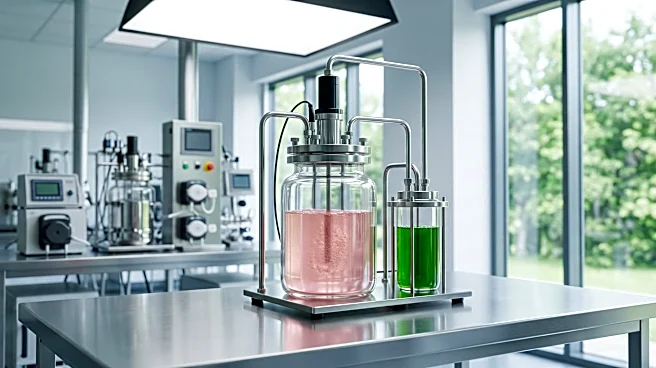
Researchers at the University of Queensland have identified a potential breakthrough in reducing the production costs of cultivated meat. Their findings indicate that microalgae, when grown on the waste generated from cultivated meat production, can effectively
recycle nutrients back into the process. This innovative approach has the potential to cut the expensive growth-media costs, which are a significant barrier to the widespread adoption of cultivated meat, by an estimated 60 to 90 percent. This development addresses one of the primary economic challenges facing the cultivated meat industry, aiming to make these products more economically viable and accessible. The current high cost of growth media is a major factor contributing to the premium pricing of cultivated meat, limiting its market penetration and scalability. By utilizing a circular economy model, where waste products are repurposed, the research offers a sustainable solution to a critical industry hurdle.
Why It's Important?
This research is important because it directly tackles the economic viability of the cultivated meat industry, which has significant implications for the U.S. food market and sustainability goals. High production costs have been a major impediment to cultivated meat reaching price parity with traditional meat products, thus hindering consumer adoption and large-scale manufacturing. A 60 to 90 percent reduction in growth-media costs could dramatically lower the overall price of cultivated meat, making it competitive with, or even cheaper than, conventional meat. This would benefit consumers through more affordable and sustainable protein options, and could stimulate investment and growth within the U.S. alternative protein sector. For traditional meat producers, this could represent increased competition, potentially driving innovation in their own production methods or encouraging diversification. Furthermore, the environmental benefits of reducing waste and resource consumption in food production align with broader U.S. sustainability initiatives, offering a more eco-friendly alternative to traditional animal agriculture.
What's Next?
The next steps for this research will likely involve further development and scaling of the microalgae-based nutrient recycling system. This will include optimizing the microalgae strains and cultivation conditions to maximize nutrient recovery and efficiency. Pilot projects and partnerships with cultivated meat companies will be crucial to test the system's effectiveness in real-world production environments and to validate the projected cost savings. Regulatory bodies in the U.S. will also need to evaluate the safety and efficacy of using recycled nutrients in cultivated meat production, potentially leading to new guidelines or approvals. If successful, this technology could be integrated into existing and future cultivated meat facilities, leading to a gradual reduction in product prices and an expansion of market availability. The industry will be watching closely for commercial applications and further data on the economic and environmental impacts of this approach.
Beyond the Headlines
Beyond the immediate cost reductions, this research highlights a broader shift towards circular economy principles within the food industry. The concept of transforming waste into valuable resources not only addresses economic challenges but also promotes environmental sustainability by minimizing ecological footprints. This approach could inspire similar innovations in other sectors of food production, fostering a more resource-efficient and resilient food system. Ethically, it reinforces the idea of responsible consumption and production, aligning with growing consumer demand for sustainable and transparent food sources. The integration of biotechnology, such as microalgae cultivation, with food science also underscores the increasing role of interdisciplinary research in solving complex global challenges related to food security and environmental protection. This could lead to new educational and career pathways in bio-circular food systems.