



What's Happening?
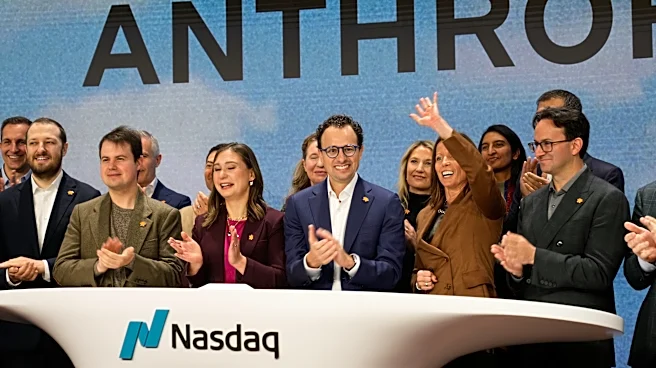
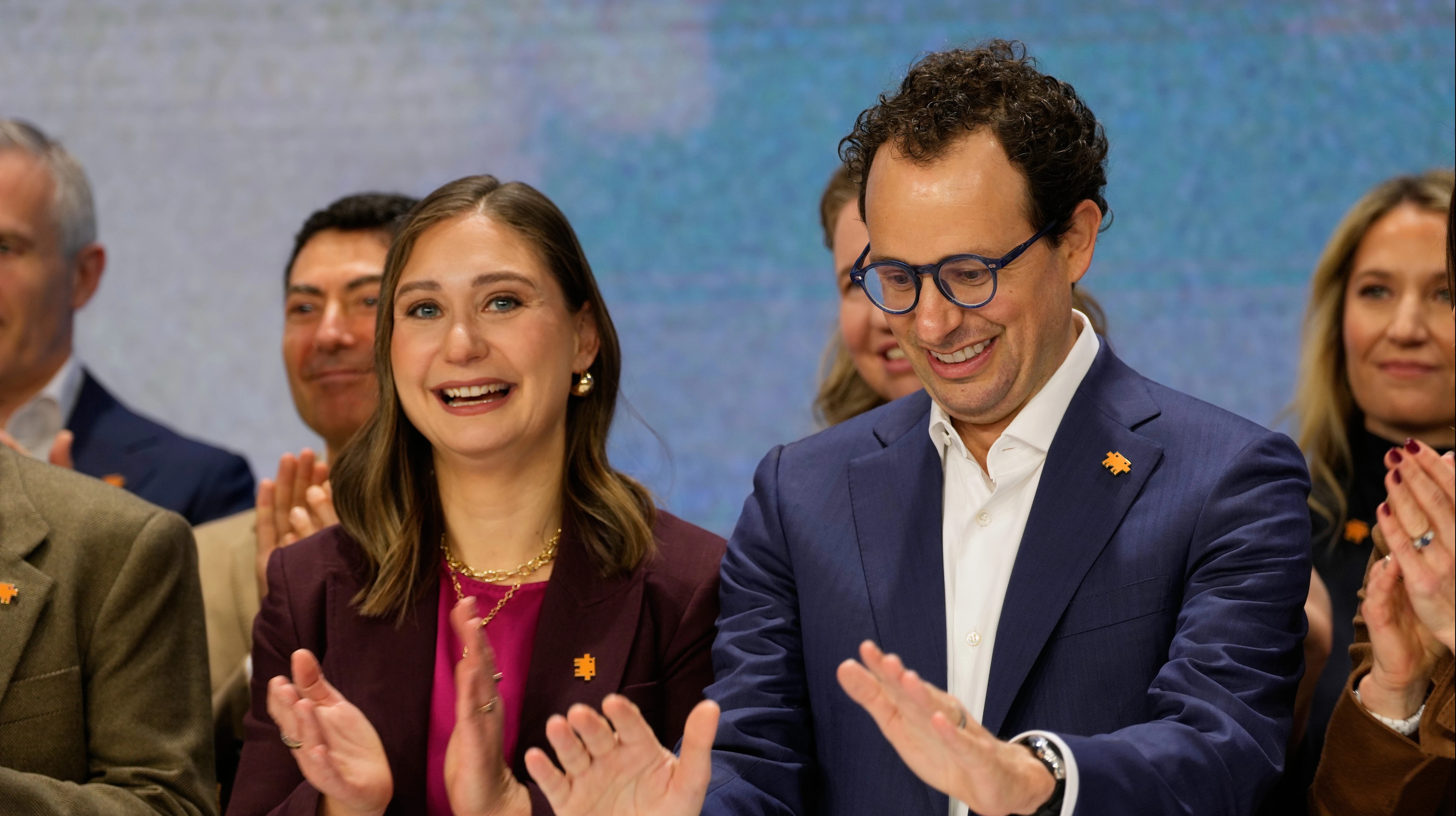
Anthropic CEO Dario Amodei recently met with JPMorgan CEO Jamie Dimon to elaborate on Anthropic's stringent hiring practices, particularly concerning its focus on company culture. Amodei explained that Anthropic prioritizes cultural fit over raw technical
ability, even if it means declining highly skilled engineers. This philosophy has been central to the company since its inception, with Amodei and his six co-founders establishing a non-negotiable rule to put talent and culture first. A mandatory culture interview is part of the hiring process, designed to screen out candidates who are deemed 'jerks,' 'spotlight-stealers,' or those who lack an orientation towards public benefit. Amodei acknowledged that this approach can be challenging in the short term but believes it ultimately fosters a cohesive and collaborative work environment.
Why It's Important?
This discussion highlights a growing trend in the technology sector, particularly within rapidly expanding fields like artificial intelligence, where company culture is being recognized as a critical component of long-term success. For U.S. businesses, especially those in competitive and innovative industries, Anthropic's approach suggests a potential shift in talent acquisition strategies. By prioritizing cultural alignment, companies aim to mitigate internal conflicts and enhance team synergy, which can lead to increased productivity and innovation. This strategy could influence how other U.S. tech firms structure their hiring processes, potentially leading to a greater emphasis on soft skills and collaborative mindsets alongside technical expertise. The implications extend to the broader U.S. workforce, as it may reshape expectations for job candidates and the types of environments they seek.
What's Next?
The continued success of companies like Anthropic, which explicitly prioritize culture, could lead to a broader adoption of similar hiring philosophies across the U.S. tech industry. Other companies might begin to re-evaluate their own recruitment strategies, potentially incorporating more rigorous cultural assessments into their interview processes. This could also spark further discussions among business leaders and HR professionals about the optimal balance between technical prowess and cultural fit in building high-performing teams. As the AI sector continues its rapid growth, the effectiveness of Anthropic's model will likely be closely observed, potentially influencing future talent management trends and best practices within the U.S. business landscape.
Beyond the Headlines
Anthropic's hiring philosophy touches upon deeper ethical and organizational considerations within the U.S. corporate environment. The explicit rejection of 'jerks' and 'spotlight-stealers' suggests a move towards fostering more inclusive and collaborative workplaces, which can have significant positive impacts on employee well-being and retention. Furthermore, the emphasis on 'public benefit' in hiring reflects a growing awareness of corporate social responsibility, particularly in powerful and transformative fields like AI. This approach could set a precedent for how U.S. companies in critical sectors define their values and integrate them into their operational structures, potentially leading to a more ethically conscious and socially responsible business ecosystem. It also raises questions about the long-term impact of such cultural filters on diversity of thought and innovation within highly specialized technical fields.