



What's Happening?
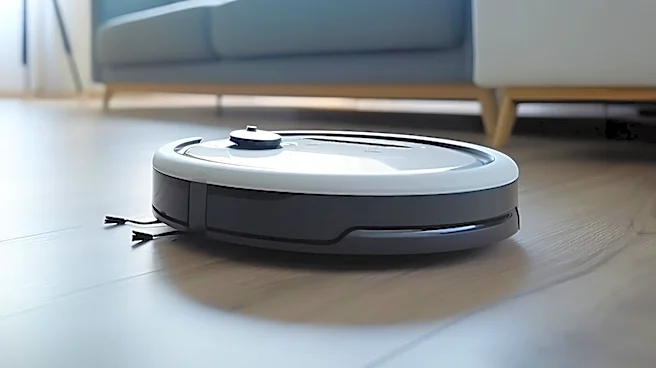
The Narwal Flow 2 robot vacuum-mop is highlighted as a solution for routine floor maintenance, offering automated vacuuming and scheduled cleaning. This device features a FlowWash track mop system that continuously refreshes itself during operation, utilizing
60°C heated water to clean the mop and scrape away dirty water and debris into a separate tank. The Narwal Flow 2 incorporates CarpetFocus™ Technology, which detects carpets and automatically lifts the mop by 10 mm to prevent wetting. It also includes a Pet Care Mode 2.0, which adjusts cleaning power and acoustics in pet zones. The robot boasts a manufacturer-rated suction power of 31,000 Pa and uses a TwinAI Dodge™ system with two 1080p cameras for obstacle identification, including cords, pet toys, and pet waste. Its base station supports automatic water refilling, detergent dispensing, hot-air drying, and hot-water mop washing, with a dust collection capacity rated for up to 120 days. Narwal also offers the Freo Z10 Turbo, a carpet-focused robot vacuum-mop with two spinning mops for hard floors.
Why It's Important?
The Narwal Flow 2 represents a significant advancement in automated home cleaning, offering U.S. consumers a comprehensive solution for maintaining floor hygiene with minimal human intervention. Its continuous mop self-cleaning system with heated water ensures effective mopping without spreading dirt, addressing a common limitation of many robot mops. The integration of carpet detection and mop-lifting technology makes it highly versatile for homes with mixed flooring, preventing damage to carpets while ensuring thorough cleaning of hard surfaces. Features like Pet Care Mode and advanced obstacle avoidance cater to specific household needs, particularly for pet owners, enhancing the device's utility and appeal. The extended dust collection capacity and automated base station functions further reduce the frequency of manual maintenance, aligning with the growing consumer demand for 'set-and-forget' smart home appliances. This technology contributes to a cleaner, more convenient living environment, impacting daily routines and household management.
What's Next?
As robot vacuum-mop technology continues to evolve, consumers can expect further refinements in AI-driven navigation, obstacle recognition, and cleaning efficiency. Future models may incorporate more advanced sensors for even better object identification and precise mapping, leading to more customized cleaning routines based on specific household needs or areas of high traffic. The trend towards integrated cleaning solutions, combining vacuuming, mopping, and extensive self-maintenance, is likely to become a standard expectation, pushing manufacturers to innovate further in these areas. We may also see increased integration with smart home ecosystems, allowing for more seamless control through voice assistants and broader automation scenarios. The competitive market suggests that manufacturers will continue to offer advanced features at increasingly accessible price points, driving wider adoption of these smart home cleaning devices. Consumers can anticipate ongoing improvements in battery life, suction power, and the durability of components, making robot vacuums an even more integral part of modern home management.
Beyond the Headlines
The sophistication of devices like the Narwal Flow 2 reflects a broader societal trend towards outsourcing mundane tasks to technology, impacting daily routines and perceptions of domestic labor. This trend extends beyond mere convenience, influencing how individuals manage their time and allocate mental energy. As these devices become more commonplace, they contribute to a broader 'smart home' ecosystem, where interconnected appliances work in concert to manage various aspects of household operation. This can lead to increased energy efficiency through optimized cleaning schedules and reduced human effort. However, it also raises questions about data privacy, as these devices map homes and collect data on living spaces. The long-term implications include potential changes in home design to better accommodate robotic cleaners, and a re-evaluation of what constitutes 'cleanliness' when automated systems handle the bulk of the work. The accessibility of such technology, particularly with competitive pricing, could also contribute to a more equitable distribution of household labor, reducing burdens on individuals who traditionally bear the brunt of domestic chores.