






What's Happening?
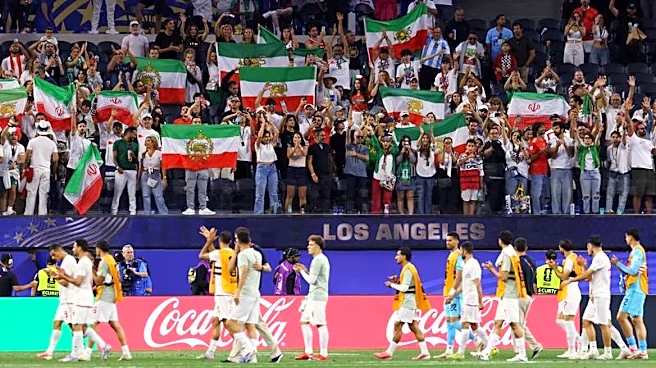
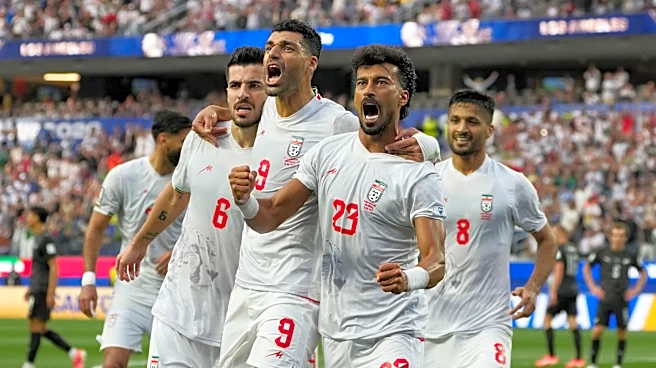
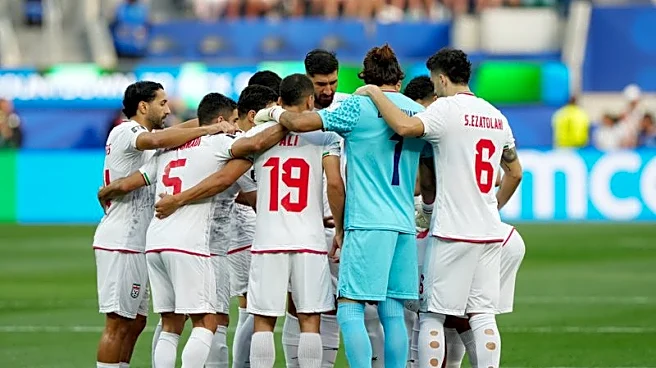
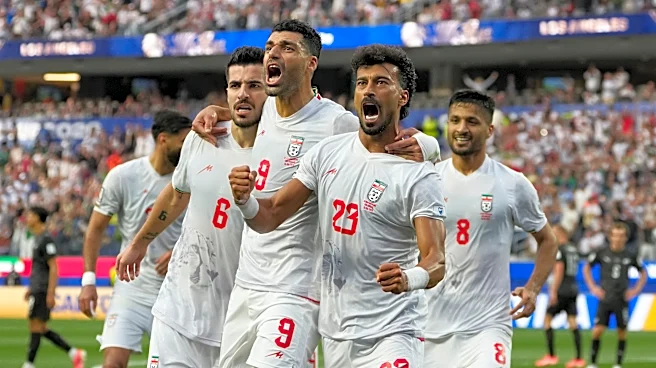
The Iranian national football team has expressed dissatisfaction with the organization of the 2026 FIFA World Cup, citing travel restrictions that they claim are affecting their performance. Following a 2-2 draw with New Zealand at SoFi Stadium in Los
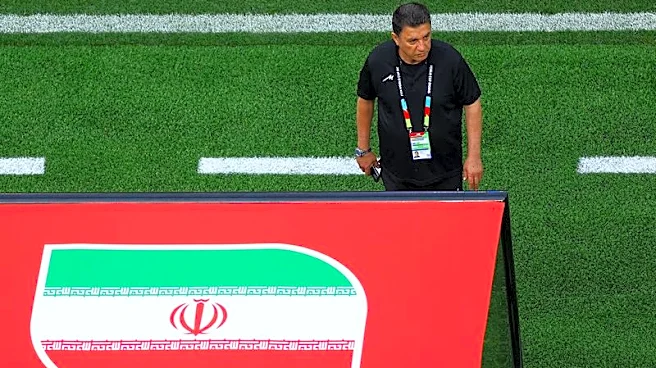
Angeles, head coach Amir Ghalenoei and players Mehdi Taremi and Mohammad Mohebbi criticized the requirement to return to their base camp in Tijuana immediately after the match. The team had hoped to conduct a recovery session in Los Angeles but were informed they had to leave. The Iranian Football Federation indicated that FIFA requested the immediate return, although U.S. government restrictions on Iranian nationals might also be a factor. FIFA President Gianni Infantino acknowledged the team's challenges during a visit to their locker room.
Why It's Important?
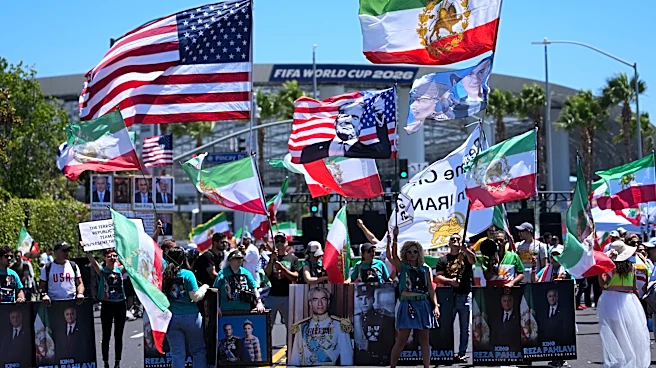
The situation highlights the complexities of international sports events, where geopolitical tensions can impact team logistics and performance. The Iranian team's experience underscores the challenges faced by countries with strained relations with the host nation, in this case, the United States. The travel restrictions could affect the team's ability to compete effectively, potentially influencing their performance in the tournament. This incident also raises questions about the role of sports organizations like FIFA in navigating political issues and ensuring fair conditions for all participants.
What's Next?
The Iranian team is expected to continue facing logistical challenges as they navigate the tournament. FIFA and the U.S. government may need to address these issues to ensure the smooth progression of the World Cup. The team's next match against Belgium in Los Angeles will be another test of their ability to manage these constraints. Stakeholders, including FIFA and the U.S. World Cup Task Force, may need to engage in discussions to find solutions that accommodate the needs of all participating teams while maintaining security protocols.