




What's Happening?
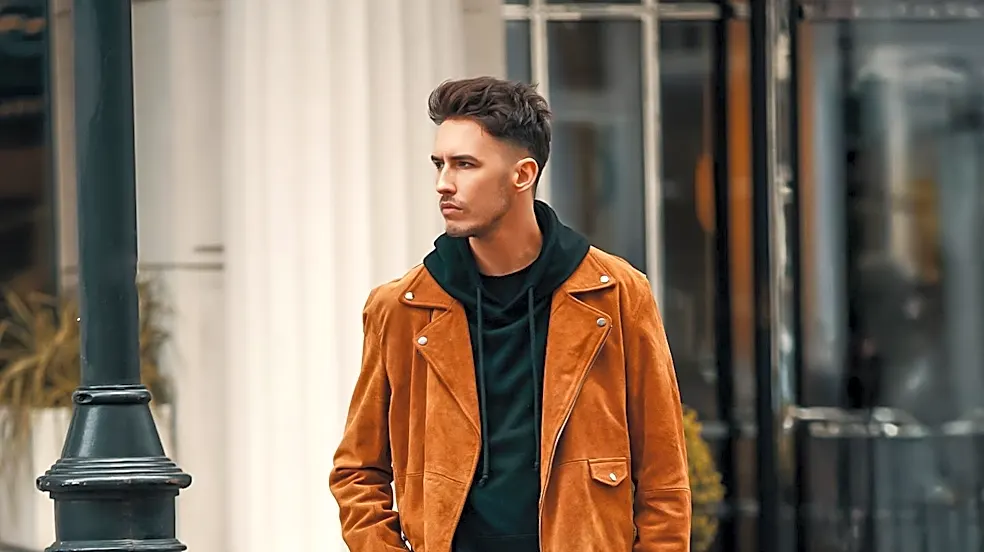
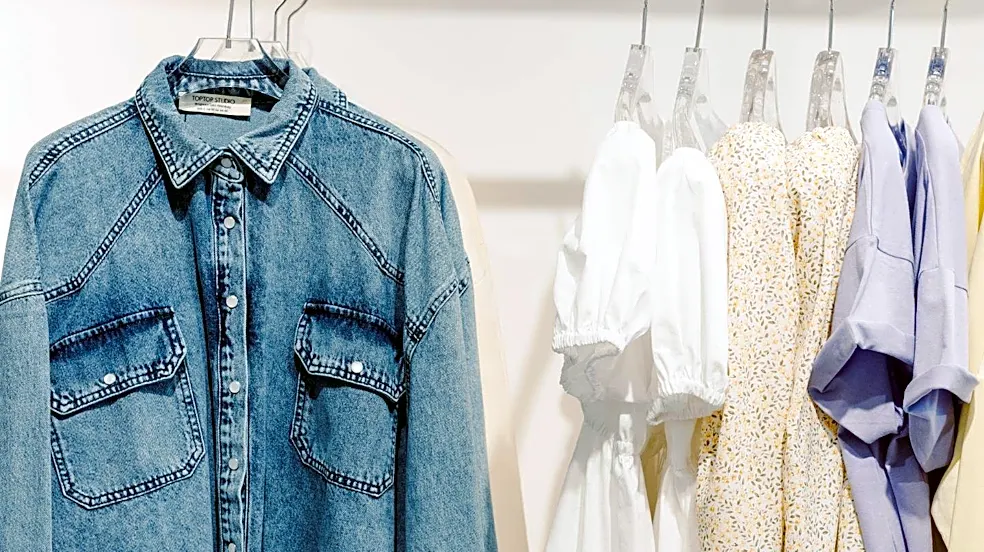
The fashion industry is experiencing a significant resurgence of vintage and retro styles, drawing inspiration from past decades such as the 1960s, 1970s, 1980s, and 1990s. This trend is characterized by the incorporation of items like patterned shirts,
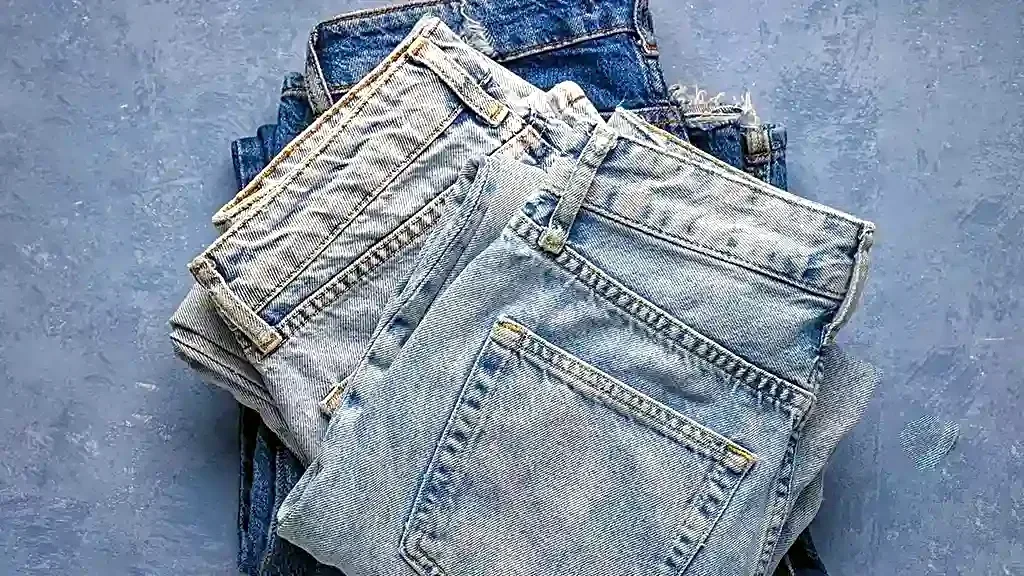
leather jackets, denim, retro dresses, and distinctive accessories. Digital communities, social media platforms, and online marketplaces are playing a crucial role in popularizing these styles, allowing individuals to discover and share outfit inspirations. Thrift stores and secondhand marketplaces are becoming key avenues for fashion enthusiasts to acquire unique pieces, promoting the reuse of garments and offering a sustainable alternative to purchasing new clothing. This movement extends beyond mere clothing, encompassing music, art, photography, and lifestyle choices that collectively shape personal style and creative expression.
Why It's Important?
The growing popularity of vintage and retro fashion holds significant implications for the U.S. fashion industry and consumer behavior. Economically, it boosts the secondhand market, including thrift stores and online resale platforms, potentially shifting consumer spending away from fast fashion. This trend also promotes sustainability by encouraging the reuse and recycling of clothing, aligning with increasing environmental consciousness among consumers. Socially, it allows for greater individuality and creative expression, as people can curate unique wardrobes that reflect their personal identity rather than strictly adhering to current trends. For designers, it presents both a challenge and an opportunity: to innovate by reinterpreting classic styles while also competing with the allure of authentic vintage pieces. This movement signifies a broader cultural appreciation for historical aesthetics and a more conscious approach to consumption.
What's Next?
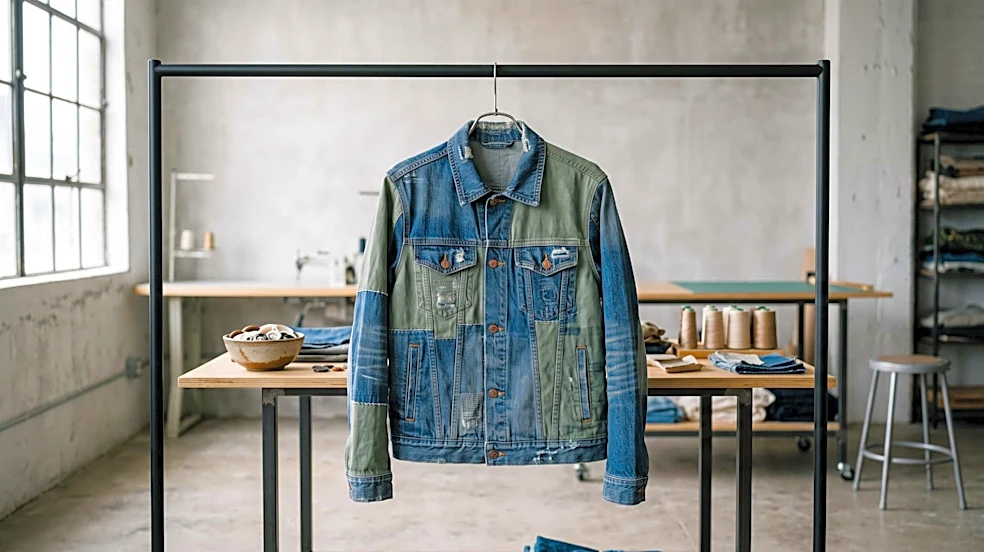
The trajectory of vintage and retro fashion suggests continued growth, particularly with the ongoing influence of digital communities and the increasing emphasis on sustainability. We can expect to see more mainstream retailers incorporating vintage-inspired collections, and collaborations between contemporary brands and vintage archives. The secondhand market will likely expand further, with more sophisticated online platforms and curated physical stores emerging to meet demand. Educational initiatives promoting sustainable fashion practices, such as repairing and upcycling garments, are also likely to gain traction. Furthermore, as technology advances, digital styling tools and virtual try-on experiences could enhance the accessibility and appeal of vintage shopping. The focus will remain on personal expression and the thoughtful curation of wardrobes, moving away from purely trend-driven consumption.
Beyond the Headlines
The resurgence of vintage and retro fashion delves into deeper cultural and psychological aspects of consumerism. It reflects a yearning for nostalgia, a desire to connect with past eras, and a rejection of the rapid obsolescence often associated with modern fashion cycles. This trend also highlights a shift in values, where uniqueness and authenticity are prized over mass-produced uniformity. Ethically, it raises questions about the environmental impact of the fashion industry and offers a more sustainable model for consumption. The act of seeking out and wearing vintage pieces can be seen as a form of storytelling, where each garment carries a history and contributes to a personal narrative. This movement encourages a more mindful approach to fashion, fostering creativity and a deeper appreciation for craftsmanship and enduring style.