





What's Happening?
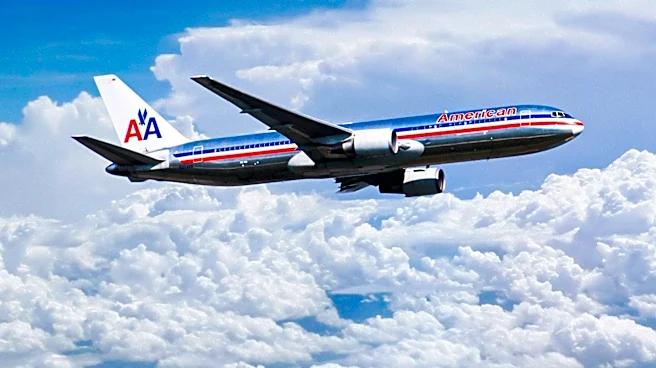
American Airlines Group is strategically increasing its focus on premium seating options to boost revenue. According to CEO Robert Isom, 30% of the airline's seats currently generate half of its revenue, and the company plans to expand this segment. This
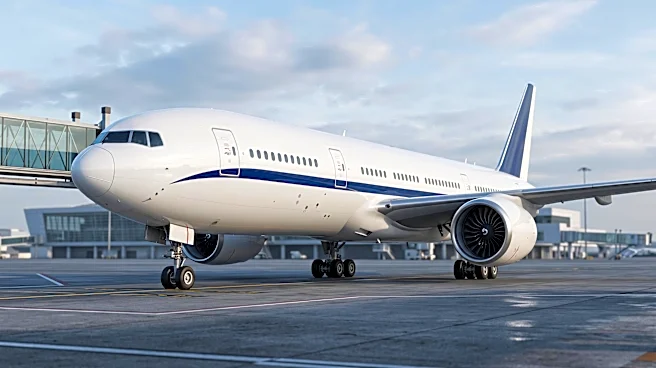
includes first class, business class, premium economy, and Main Cabin Extra, which offers added legroom. American Airlines aims to raise premium seating to approximately 40% of seats on its narrowbody jets, up from about 25%. The airline's Boeing 777-300ER already features a 70-suite business cabin. This shift is supported by the fact that nearly 60% of American's revenue comes from households earning $150,000 or more annually. The second-quarter report showed a 26% increase in managed corporate revenue year-over-year, and AAdvantage enrollments jumped over 30%. Future upgrades include installing Starlink high-speed Wi-Fi starting in 2027 and adding seatback screens to more than 800 narrowbody jets from 2028, all designed to encourage pricier fare selections.
Why It's Important?
This strategic pivot by American Airlines is significant for the U.S. airline industry and its consumers. By prioritizing premium seating, American Airlines aims to enhance profitability and potentially close the gap with competitors like Delta Air Lines and United Airlines, which have historically shown stronger performance in this segment. For shareholders, this could mean higher profits, especially if the demand from high-value travelers remains consistent. However, for economy passengers, this shift could lead to fewer standard coach seats and potentially higher prices on popular routes, as each lie-flat suite occupies space that previously held multiple economy seats. The success of this strategy hinges on factors such as fuel prices, the continued spending power of high-income households, and the timely implementation of cabin retrofits. The airline's ability to attract and retain high-value customers will be crucial for its long-term financial health and market position.
What's Next?
American Airlines plans to continue with its cabin retrofits, investing $1.63 billion in capital spending and aircraft deposits in the first half of the year. The installation of Starlink high-speed Wi-Fi is scheduled to begin in 2027, followed by the addition of seatback screens to over 800 narrowbody jets from 2028. These upgrades are intended to further enhance the premium travel experience and drive higher revenue. Investors will be closely watching the third-quarter results in October to assess whether premium demand is holding up and if the strategy is translating into improved profitability. For travelers, the expectation is a continued increase in comfort options at higher price points, with potentially fewer bargain seats available in the economy class. The airline's ability to manage fuel costs, which significantly impacted its second-quarter profits, will also be a critical factor in its future performance.
Beyond the Headlines
The shift towards premium seating by American Airlines reflects a broader trend in the travel industry, where airlines are increasingly catering to higher-income demographics. This strategy highlights the growing economic disparity, often referred to as a K-shaped economy, where higher earners continue to spend while lower-income households face financial constraints. The long-term implications could include a more stratified air travel experience, with a clear distinction between premium and basic services. While premium passengers will benefit from enhanced amenities and comfort, economy travelers might find fewer affordable options and potentially reduced space. This could also influence aircraft design and fleet composition across the industry, as airlines reconfigure their cabins to maximize revenue from premium offerings. The ethical consideration arises regarding accessibility to air travel for all income levels, as the focus on premium services could inadvertently marginalize budget-conscious travelers.