





What's Happening?
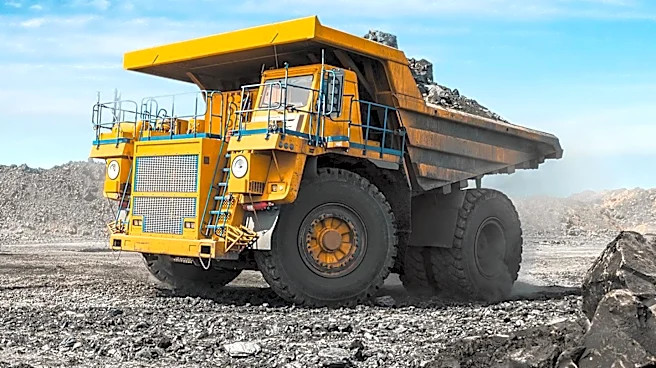
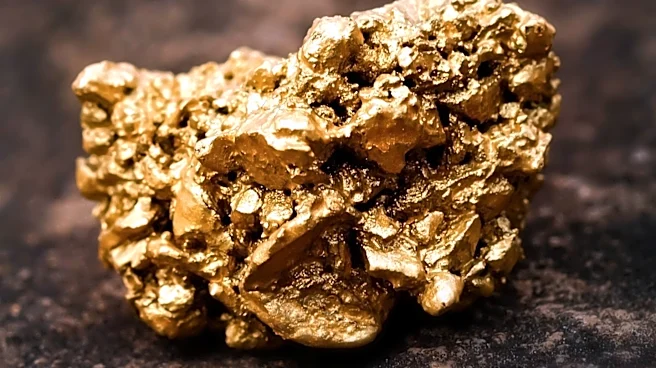
Annual gold mine production contributes only a small percentage to the total existing above-ground gold stock, which means new gold extracted each year barely influences the market. Unlike ordinary commodities where annual production largely dictates
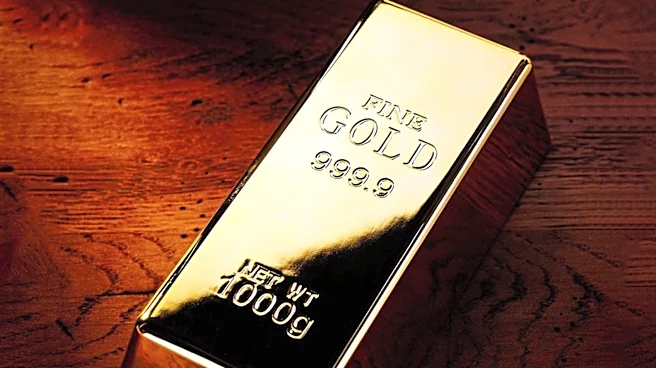
supply, gold's supply is dominated by the vast amount already accumulated throughout history. Every ounce of gold ever mined is, broadly speaking, still in existence, making the annual production an increment to a very large total rather than the primary supply driver. This structural characteristic ensures gold's supply remains stable, regardless of price fluctuations. The cost of production acts as a soft floor for prices over years, not months, as closing and reopening mines is an expensive and time-consuming process. Mining shares, which represent operating companies with various risks, should not be conflated with owning physical gold, as their performance can diverge.
Why It's Important?
This unique supply dynamic is crucial for understanding gold's role as a monetary metal and its behavior in financial markets. The inability to rapidly expand gold supply, irrespective of price, is a fundamental property that underpins its value as a hedge against inflation and economic instability. For investors, recognizing that mining shares are distinct from physical gold is vital to avoid common and expensive errors. While mining companies offer leverage to gold prices, they also carry operational risks such as debt, management issues, jurisdictional concerns, and labor and energy costs. This distinction means that mining shares can sometimes decline even when gold prices rise, highlighting the importance of understanding the underlying assets and their respective market drivers.
What's Next?
Given gold's stable supply, its price will continue to be influenced more by demand-side factors, macroeconomic conditions, and investor sentiment rather than annual mine output. The long lead times for new mine development mean that even significant price increases will not lead to a rapid surge in supply. This inherent stability suggests that gold will likely maintain its role as a long-term store of value. Investors will need to continue to differentiate between the investment thesis for physical gold and the operational risks associated with gold mining companies. Ongoing efforts in mineral resource conservation and improved mining methods will focus on reducing waste and enhancing safety, but these are unlikely to significantly alter the fundamental supply dynamics of gold in the short to medium term.
Beyond the Headlines
The enduring nature of gold's supply, where nearly all gold ever mined remains in circulation, presents a fascinating contrast to consumable commodities. This characteristic contributes to gold's perception as a timeless asset, transcending economic cycles and geopolitical shifts. The environmental and social impacts of mining, while not directly affecting gold's market price due to its unique supply structure, remain critical considerations for the industry. The destructive nature of mining, even when conducted carefully, poses risks to ecosystems and communities. This raises ethical questions about resource extraction and the long-term sustainability of meeting demand for precious metals, even as the market impact of new production remains minimal.