






What's Happening?
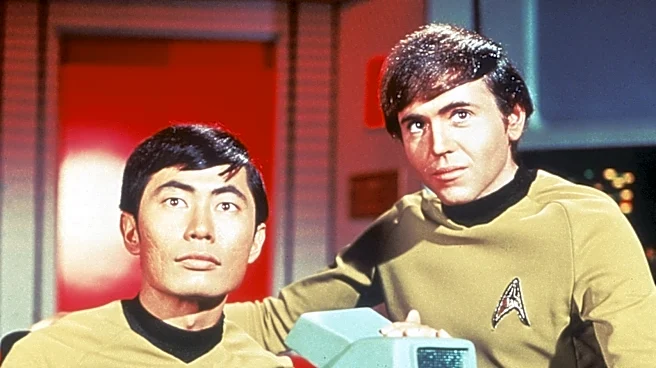
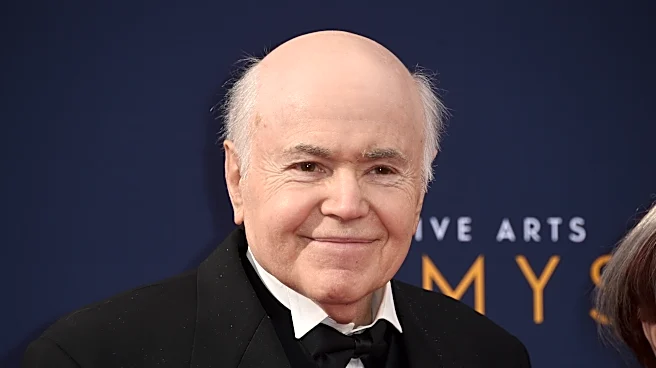
Walter Koenig, the actor best known for his role as Pavel Chekov, the Russian navigator on the original 'Star Trek' series, has died at the age of 90. Koenig passed away in Los Angeles of natural causes, surrounded by his daughter and niece. He joined
the cast of 'Star Trek' in the 1960s, charming audiences with his baby-faced ensign character who often boasted about Russian ingenuity. To appeal to a younger demographic, Koenig wore a wig reminiscent of Davy Jones from The Monkees. His character, Chekov, became a fan favorite and continued to appear in seven 'Star Trek' movies, including 'The Wrath of Khan' and 'The Voyage Home,' where he advanced to a Starfleet officer. Beyond 'Star Trek,' Koenig also played a ruthless villain in the sci-fi series 'Babylon 5.' Born in Chicago and raised in Manhattan, Koenig was the son of a Russian Jewish immigrant. He studied psychology in college before pursuing acting, appearing in shows like 'General Hospital' before his breakout role at age 32. Koenig also authored two memoirs, 'Beaming Up And Getting Off: Life Before And Beyond Star Trek' and 'Warped Factors: A Neurotic's Guide To The Universe.'
Why It's Important?
The passing of Walter Koenig marks the loss of another iconic figure from the original 'Star Trek' series, a show that profoundly influenced American popular culture and science fiction. Koenig's portrayal of Pavel Chekov contributed significantly to the diverse and optimistic vision of humanity's future presented in 'Star Trek,' which resonated deeply with audiences during the Cold War era by featuring a Russian character as an integral and respected member of a Starfleet crew. This representation fostered a sense of global unity and cooperation, a message that remains relevant. His character's enduring popularity, spanning both the television series and subsequent films, highlights the lasting impact of 'Star Trek' on generations of fans and its continued cultural relevance. For the entertainment industry, Koenig's career exemplifies the long-term legacy that can be built through iconic roles in groundbreaking franchises. His death leaves only two main cast members from the original series, William Shatner and George Takei, further emphasizing the end of an era for one of television's most beloved ensembles.
What's Next?
The passing of Walter Koenig will undoubtedly evoke a wave of tributes and remembrances from fans, fellow actors, and the broader science fiction community. 'Star Trek' conventions and fan gatherings will likely feature special segments honoring his contributions to the franchise. His work as Chekov will continue to be celebrated through reruns, streaming services, and discussions among fans, ensuring his legacy endures. For the remaining original cast members, William Shatner and George Takei, Koenig's death serves as a poignant reminder of their shared history and the unique bond they formed. The event may also prompt renewed interest in Koenig's memoirs and other acting roles, allowing new audiences to discover the breadth of his career. In the broader context of 'Star Trek,' his passing reinforces the importance of preserving the history and impact of the original series, which continues to inspire new iterations and expand its universe.
Beyond the Headlines
Walter Koenig's role as Pavel Chekov transcended mere entertainment, carrying subtle yet profound geopolitical and cultural significance. Introduced during the height of the Cold War, Chekov's character, a young Russian officer serving harmoniously alongside American and other international crew members, presented a powerful vision of a unified future. This portrayal challenged prevailing stereotypes and offered a hopeful counter-narrative to the political tensions of the time, subtly promoting themes of international cooperation and mutual respect. Beyond politics, Koenig's character contributed to the show's enduring message of diversity and inclusion, demonstrating that individuals from different backgrounds could work together for a common good. His enduring popularity also speaks to the universal appeal of 'Star Trek's' optimistic humanism, which continues to resonate globally. Koenig's career, deeply intertwined with this iconic role, highlights how popular culture can subtly influence societal perceptions and foster aspirations for a more inclusive and peaceful world, leaving a legacy far beyond his on-screen performances.