







What's Happening?
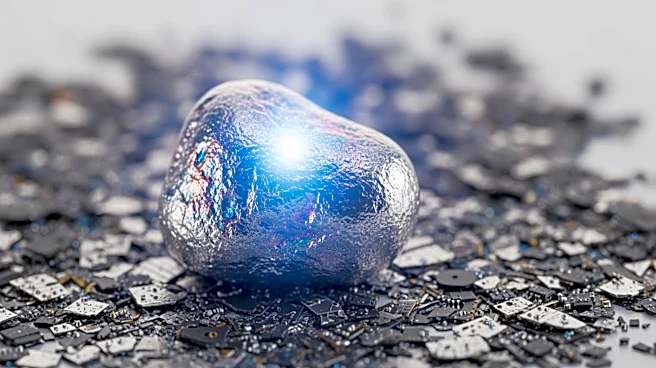
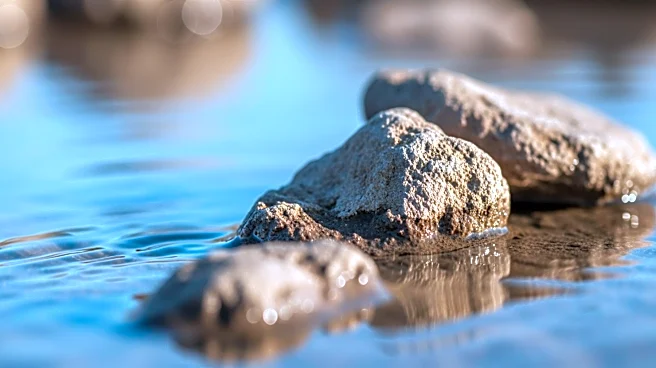
A study published in Scientific Reports has demonstrated the potential of transforming mining waste into low-cost adsorbents for wastewater treatment. Researchers have developed sodalite-based adsorbents from mining waste, capable of removing toxic heavy
metals like lead, copper, and cadmium from contaminated water. This innovative approach not only addresses the environmental challenges posed by mining waste but also offers a sustainable solution for water purification. The study highlights the benefits of using circular economy principles to convert waste into valuable resources, supporting both environmental remediation and sustainable mining practices.
Why It's Important?
The transformation of mining waste into water treatment adsorbents represents a significant advancement in sustainable resource management. This approach addresses two critical issues: the environmental impact of mining waste and the need for effective water purification methods. By converting waste into valuable products, the study supports the principles of a circular economy, reducing the environmental footprint of mining operations and promoting resource efficiency. The development of cost-effective adsorbents could enhance water treatment capabilities, benefiting industries and communities reliant on clean water sources.
Beyond the Headlines
The study's findings could have broader implications for the mining industry and environmental policy. By demonstrating the feasibility of waste valorization, the research encourages the adoption of sustainable practices in resource extraction and management. This approach could lead to increased investment in green technologies and innovations, driving a shift towards more sustainable industrial processes. Additionally, the successful application of circular economy principles in mining could inspire similar initiatives in other sectors, promoting a more sustainable and resource-efficient global economy.