







What's Happening?
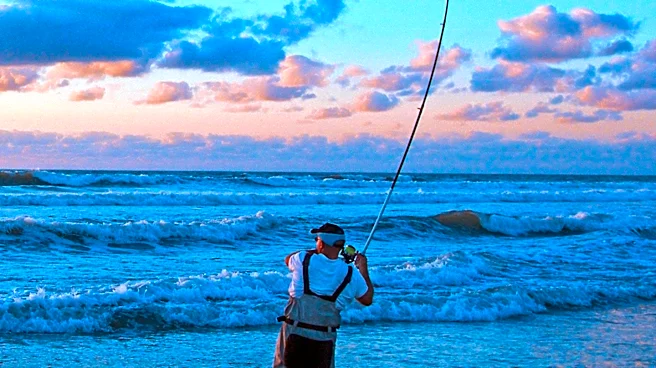
Inshore fishing refers to saltwater or brackish water fishing conducted in shallow, protected coastal areas such as bays, flats, estuaries, marshes, and mangrove shorelines. The depth limit for inshore fishing is commonly considered to be around 100 feet
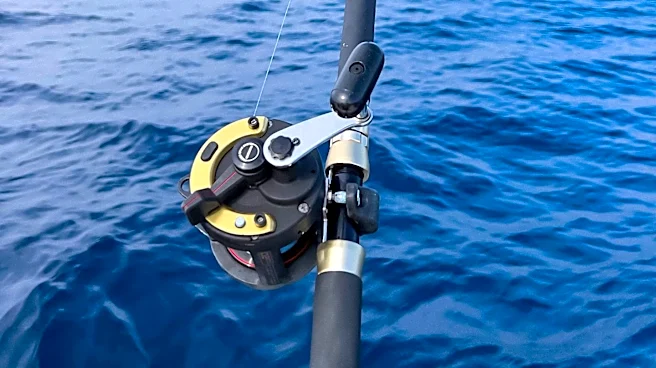
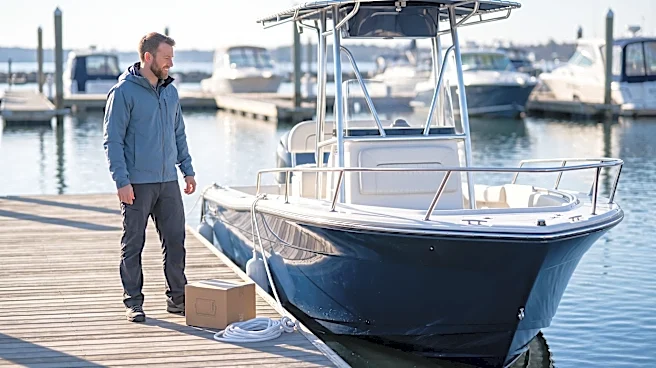
(30 meters). This type of fishing is characterized by calmer waters compared to the open ocean, the use of smaller boats or no boat at all, and lighter tackle. Anglers can participate from shore, piers, kayaks, or small boats, with most trips being same-day outings. The definition of 'inshore' can vary among anglers and guides, with some using depth as the primary factor and others using distance from shore. However, the consensus emphasizes shallow, sheltered habitats over a fixed mileage. Common fish targeted inshore include redfish, speckled trout, snook, and flounder, with specific species varying by U.S. region. Gear typically involves medium or medium-heavy spinning outfits, braided main line with a fluorocarbon leader, and various live baits or lures.
Why It's Important?
Understanding the specifics of inshore fishing is crucial for both novice and experienced anglers, as it dictates the appropriate gear, techniques, and locations for successful fishing. For beginners, inshore fishing offers an accessible entry point into saltwater fishing due to calmer waters, shorter trips, and simpler equipment requirements, which can foster broader participation in recreational fishing. The economic impact extends to local tackle shops, charter services, and marine equipment suppliers, as anglers invest in specialized gear and guided trips. Furthermore, responsible inshore fishing practices, such as adhering to size and bag limits and using appropriate hooks, are vital for the sustainability of coastal fish populations and the health of marine ecosystems. This knowledge helps ensure that these valuable natural resources remain available for future generations, supporting both ecological balance and the recreational fishing industry.
What's Next?
As interest in recreational fishing continues, the accessibility and beginner-friendly nature of inshore fishing suggest a potential increase in participation. This could lead to further innovation in light tackle and small boat designs, catering to the specific needs of inshore anglers. Educational initiatives focusing on sustainable fishing practices will likely become more prominent to manage the increased pressure on coastal fisheries. State wildlife agencies will continue to play a critical role in monitoring fish populations and adjusting regulations to ensure sustainability, which anglers will need to stay informed about. The development of more localized fishing guides and community forums will also likely expand, providing tailored advice on regional species, optimal fishing times, and specific gear recommendations for different inshore environments across the U.S.
Beyond the Headlines
The nuanced definition of 'inshore' highlights a broader challenge in environmental and recreational terminology, where practical usage often precedes formal standardization. This lack of a universal legal definition for 'inshore' can create ambiguities for anglers regarding regulations, especially when state and federal waters have differing rules. The emphasis on habitat and depth over arbitrary distance underscores the ecological principle that marine life distribution is primarily driven by environmental conditions rather than geopolitical lines. This also reflects a growing trend in recreational activities to adapt to natural environments rather than imposing rigid human constructs. The popularity of inshore fishing also subtly promotes a deeper connection between individuals and local coastal ecosystems, fostering a sense of stewardship and encouraging conservation efforts beyond just adherence to regulations.