




What's Happening?
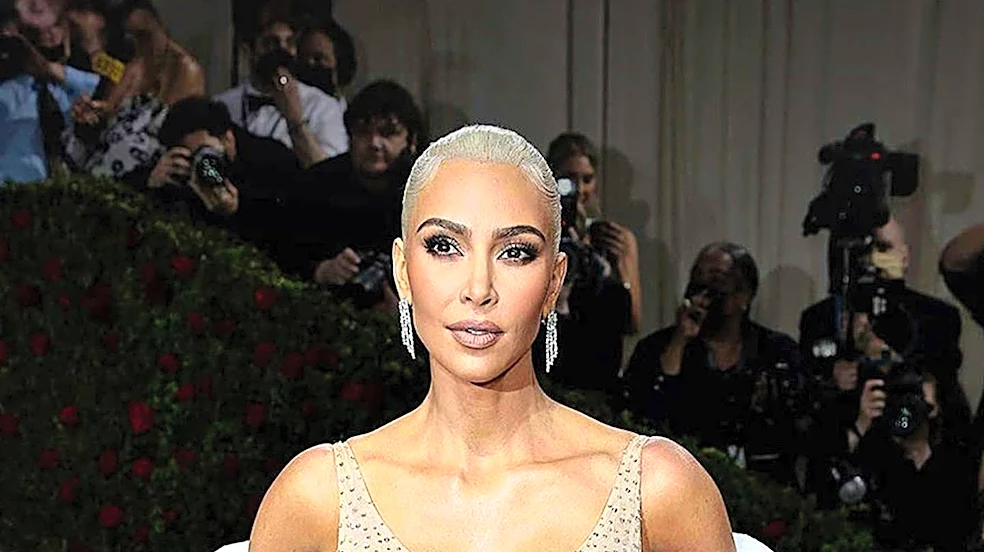
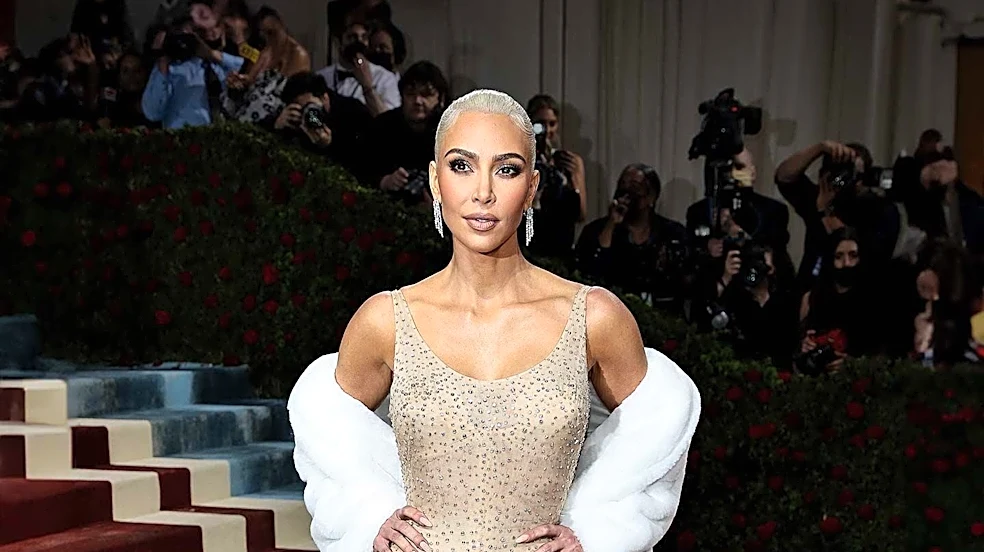
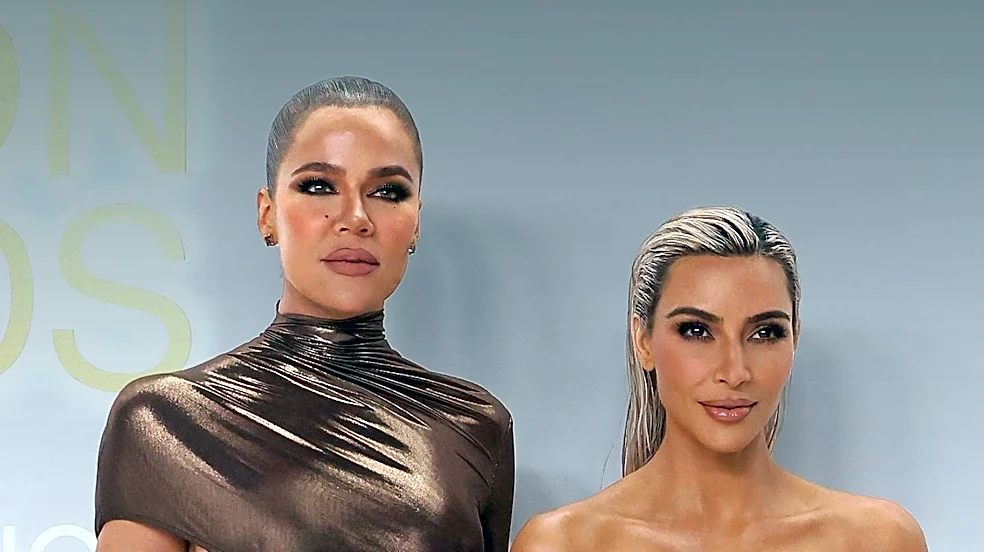
Kim Kardashian's initial entry into the Met Gala in 2013 was reportedly due to the persistent efforts of her then-partner, Kanye West. According to a new story in The Cut, prior to 2013, Kardashian had not been able to secure an invitation to the prestigious
fashion event. Jonathan Van Meter's biography, 'Citizen Kim: The Woman Who Created the Future,' details how West advocated for Kardashian's inclusion. Despite Anna Wintour's initial reluctance, West, who was scheduled to perform at the 2013 Gala, managed to get Kardashian admitted as his plus-one. At the time, Kardashian was eight months pregnant with their first child, North West, and her appearance in a floral Givenchy dress garnered significant media attention and social media engagement.
Why It's Important?
This event highlights the significant influence of celebrity power and personal connections within the exclusive world of high fashion. Kim Kardashian's initial struggle to gain entry to the Met Gala, despite her growing public profile, underscores the traditional gatekeeping mechanisms of the fashion industry. Kanye West's intervention demonstrates how a prominent figure can challenge and ultimately alter these established norms. Her subsequent attendance and the massive media and social media attention it generated also illustrate a pivotal moment in the intersection of reality television, celebrity culture, and high fashion, paving the way for a new type of influencer to gain acceptance in previously inaccessible circles. This shift has broader implications for how fashion events curate their guest lists and how celebrity endorsement can impact brand visibility and cultural relevance.
What's Next?
Following her 2013 debut, Kim Kardashian has become a regular fixture at the Met Gala, with her appearances consistently generating widespread media coverage and social media buzz. This initial breakthrough, facilitated by Kanye West, set a precedent for her and her family members to become mainstays at the event. The ongoing presence of the Kardashian-Jenner family at such high-profile fashion events suggests a continued evolution in the criteria for fashion world acceptance, moving beyond traditional industry figures to include those with significant social media reach and cultural impact. Future Met Galas are likely to continue featuring a diverse array of celebrities, reflecting the changing landscape of influence in fashion and entertainment.
Beyond the Headlines
The story of Kim Kardashian's Met Gala debut extends beyond a simple celebrity anecdote, touching upon deeper themes of social mobility, cultural gatekeeping, and the evolving definition of 'fashion icon.' Her initial rejection by Anna Wintour, a powerful figure in the fashion world, and subsequent acceptance due to Kanye West's advocacy, reflects a broader tension between traditional arbiters of taste and the rising influence of popular culture and social media. This event can be seen as a turning point where the fashion industry began to more fully embrace, or at least acknowledge, the power of reality television stars and digital influencers. It also raises questions about authenticity versus manufactured fame in high fashion, and how personal relationships can circumvent established hierarchies, ultimately reshaping who gets to define and participate in elite cultural events.