




What's Happening?
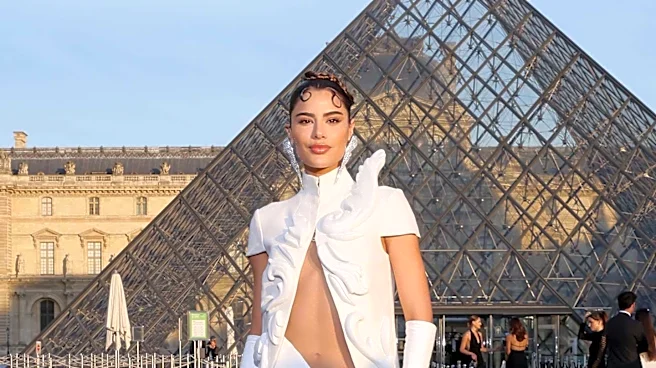
The modern Paris fashion scene is undergoing a significant shift towards greater inclusivity, particularly in its approach to gender identity in fashion. Initiatives are actively promoting diversity, leading to increased representation of various body
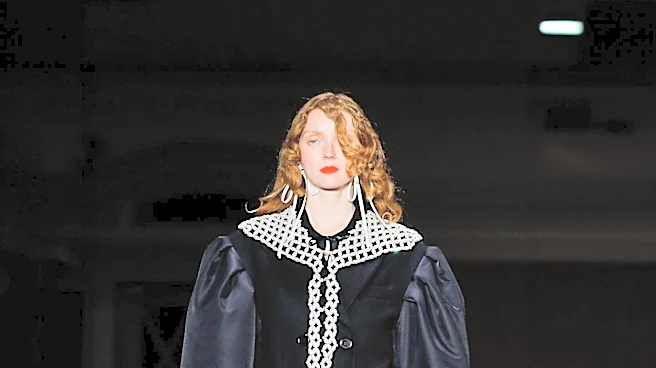
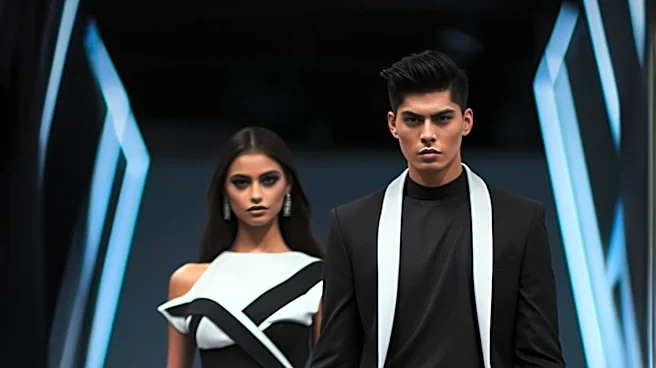
types, ethnic backgrounds, and gender identities. A key movement, 'mannequin non-binaire Paris,' specifically advocates for breaking traditional gender norms within the fashion industry. This push allows for a broader spectrum of expression in modeling and design, moving beyond conventional male and female categories. The Paris fashion scene, historically a global hub for haute couture and trendsetting, is now integrating these inclusive practices into its core, influencing how fashion is presented and perceived worldwide. This evolution is evident in both runway shows and the broader industry, with agencies playing a crucial role in connecting diverse talent with opportunities.
Why It's Important?
This embrace of gender inclusivity in the Paris fashion scene holds significant importance for the U.S. and global fashion industries. As Paris often dictates international trends, this movement is likely to accelerate the adoption of gender-neutral and inclusive fashion practices in the U.S. This shift can lead to a more diverse and representative fashion landscape, impacting everything from clothing design and marketing to retail strategies. For consumers, it means a wider array of choices that cater to individual expression rather than strict gender binaries. Economically, brands that adapt to these evolving norms may gain a competitive edge, while those that lag could face criticism and reduced market relevance. Socially, it reinforces broader movements towards gender equality and acceptance, potentially influencing cultural perceptions and encouraging more inclusive societal norms beyond fashion.
What's Next?
The Paris fashion scene is expected to continue its trajectory towards greater inclusivity. This will likely involve further integration of gender-neutral designs into mainstream collections and an increased presence of diverse models on runways and in campaigns. Fashion agencies will continue to adapt their scouting and representation strategies to meet these evolving demands. Educational institutions and fashion incubators in Paris will likely emphasize inclusive design principles, fostering a new generation of designers who prioritize diversity. We can anticipate more collaborations between designers and organizations advocating for gender equality, further solidifying these changes. The influence of these developments will likely ripple through international fashion weeks, including those in the U.S., leading to a more globally inclusive fashion industry.
Beyond the Headlines
The move towards gender inclusivity in the Paris fashion scene extends beyond mere aesthetics; it reflects a deeper cultural and ethical shift. It challenges long-standing societal constructs of gender, suggesting that clothing and personal style are forms of self-expression rather than markers of biological sex. This development has ethical implications for representation, promoting dignity and visibility for individuals of all gender identities. Legally, it could influence discussions around gender discrimination and equal opportunity within the fashion industry. Culturally, it contributes to a broader global dialogue about identity, challenging traditional norms and fostering a more fluid understanding of gender. This evolution in fashion could also inspire other industries to re-evaluate their own approaches to inclusivity and representation, marking a significant step towards a more equitable and accepting society.