








What's Happening?
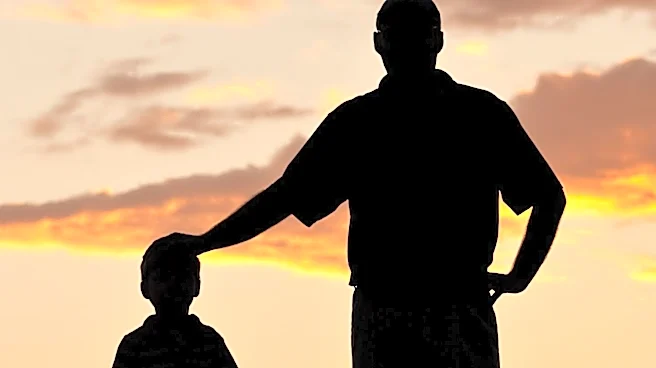
Stephen Graham, known for his role in the Netflix series 'Adolescence', is spearheading a new project titled 'Letters to Our Sons'. This initiative involves a collection of letters from fathers to their sons, exploring themes of masculinity and fatherhood.
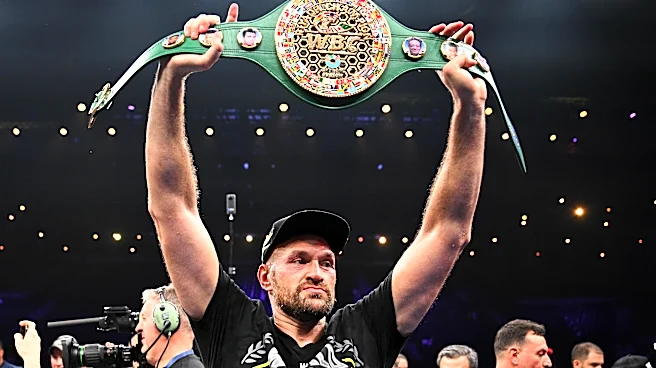
The book, set for release on September 24, includes contributions from notable figures such as actors Danny Dyer, Javier Bardem, and Riz Ahmed, as well as Olympic champion Tom Daley and footballers Chris Kamara and Jamie Redknapp. The project aims to address the complexities of modern fatherhood and has been promoted by Graham on social media, with signed copies available for pre-order.
Why It's Important?
The project 'Letters to Our Sons' taps into ongoing societal conversations about masculinity and the role of fathers. By involving high-profile contributors, the book seeks to reach a wide audience and stimulate dialogue on these important issues. The initiative reflects a growing awareness and willingness to discuss the emotional and psychological aspects of fatherhood, potentially influencing public perceptions and encouraging more open communication within families. This could have a broader impact on societal norms and expectations regarding gender roles and parenting.
What's Next?
With the book's release scheduled for September 24, anticipation is building around its reception and impact. The involvement of celebrities and public figures may attract media attention and public interest, potentially leading to further discussions and initiatives related to fatherhood and masculinity. The project's success could inspire similar ventures and contribute to ongoing debates about gender and family dynamics.
Beyond the Headlines
The project highlights the cultural shift towards more inclusive and expressive forms of masculinity. By encouraging fathers to articulate their feelings and experiences, 'Letters to Our Sons' challenges traditional notions of stoicism and emotional restraint often associated with male roles. This could lead to a more nuanced understanding of masculinity and promote healthier relationships between fathers and sons.