





What's Happening?
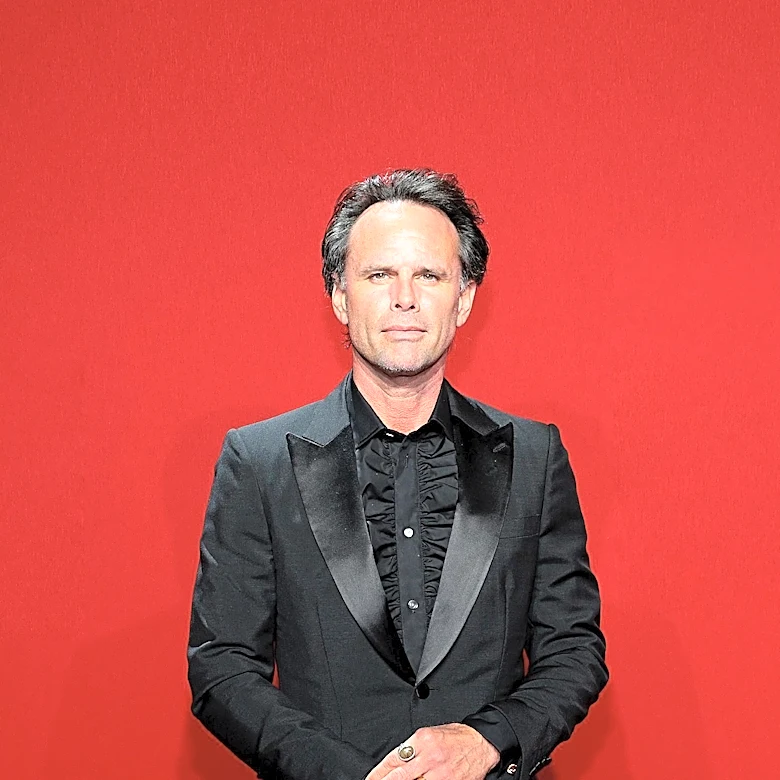
Jim Herd, former Executive Vice President of World Championship Wrestling (WCW), has died at the age of 87. His death, which occurred in October, was first reported by Conrad Thompson. Herd led WCW after Ted Turner acquired Jim Crockett Promotions in 1988,
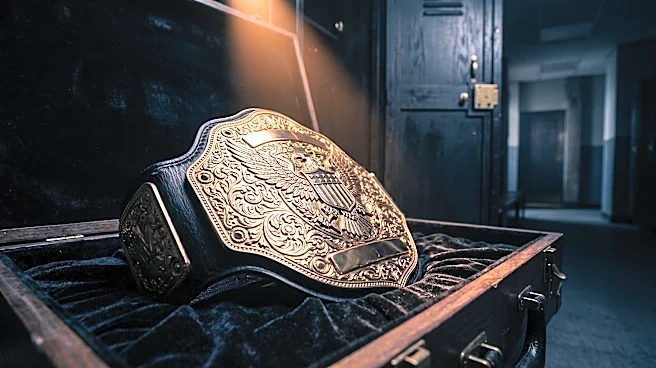
serving until his resignation in 1992. During his tenure, Herd was known for his business acumen, securing promotional deals such as a Coors Beer sponsorship, action figures, and trading cards. However, he also faced significant criticism for his creative decisions, which included controversial ideas like repackaging Ric Flair as 'Spartacus' and introducing characters such as Oz and the Ding Dongs. Despite these creative missteps, Herd oversaw the acclaimed trilogy between Ric Flair and Ricky Steamboat and Sting's first world title win amidst the company's financial challenges. Before his time at WCW, Herd was a successful businessman, managing KPLR-TV in St. Louis and producing 'Wrestling at the Chase,' and also served as a regional manager for Pizza Hut.
Why It's Important?
Jim Herd's leadership at WCW during a pivotal period significantly shaped the landscape of professional wrestling in the United States. His business initiatives, such as securing major sponsorships and expanding merchandise lines, were crucial in professionalizing the sport and generating new revenue streams, impacting how wrestling promotions operate today. However, his creative decisions, often met with fan and talent backlash, highlight the delicate balance between business strategy and artistic vision in entertainment. The tension between Herd and legendary wrestler Ric Flair, culminating in Flair's departure to rival WWF and subsequent championship win, underscored the competitive nature of the wrestling industry and the power struggles between management and top talent. This event demonstrated how talent disputes could directly influence market share and fan loyalty, a dynamic that continues to affect wrestling promotions. His legacy serves as a case study in the challenges of managing a major entertainment brand during a period of intense competition and evolving audience expectations.
What's Next?
While Jim Herd's passing marks the end of an era for a figure who played a significant role in professional wrestling history, there are no immediate 'next steps' in terms of ongoing events or decisions directly related to his death. The wrestling community will likely continue to reflect on his contributions and the impact of his decisions on WCW and the broader industry. Historians and fans may revisit his tenure to analyze the long-term effects of his business and creative strategies on the evolution of wrestling promotions. His story will remain a part of the narrative surrounding the Monday Night Wars and the competitive environment that defined professional wrestling in the late 20th century. Discussions about his legacy will likely continue in wrestling media and fan forums, contributing to the ongoing historical discourse of the sport.
Beyond the Headlines
Jim Herd's career at WCW offers a deeper insight into the complexities of corporate management within a creative industry. His background as a television station manager and a regional manager for Pizza Hut suggests a focus on traditional business metrics and operational efficiency, which he attempted to apply to the highly character-driven and narrative-dependent world of professional wrestling. This clash of corporate culture with creative freedom often led to friction, particularly with established stars like Ric Flair. The 'Spartacus' idea, though never fully implemented, symbolizes the broader struggle between management's desire for control and talent's artistic integrity. This dynamic is not unique to wrestling but is a recurring theme in many entertainment industries, where financial objectives often intersect with creative expression. Herd's story highlights the ethical considerations of leadership in entertainment, where decisions can profoundly impact the careers and public perception of individuals, as well as the cultural impact of the product itself. His tenure underscores the importance of understanding the unique nuances of a creative field when applying business strategies.