






What's Happening?
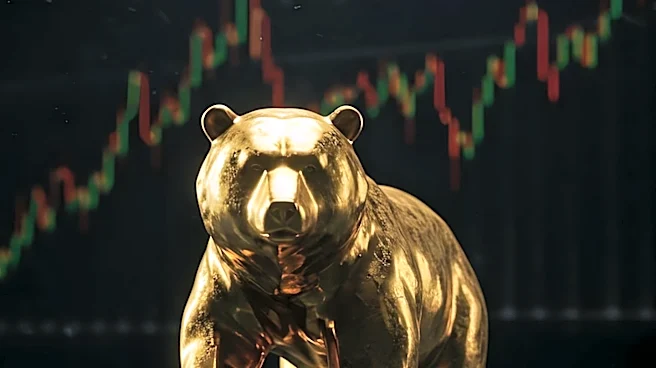
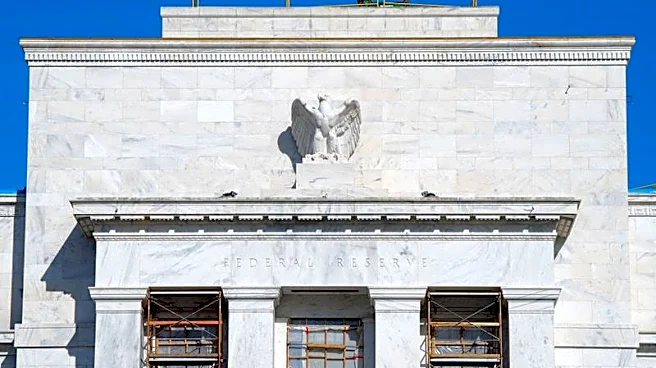
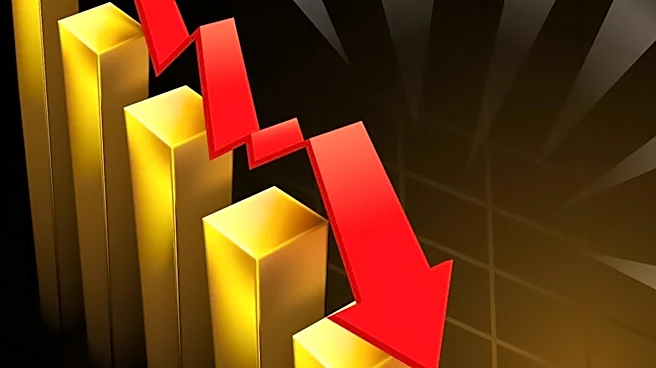
The price of spot gold has experienced a significant 29% decline after reaching an all-time high of $5,589 per ounce in January 2026. This drop is largely due to a shift in macroeconomic sentiment, including rising inflation and anticipated interest rate
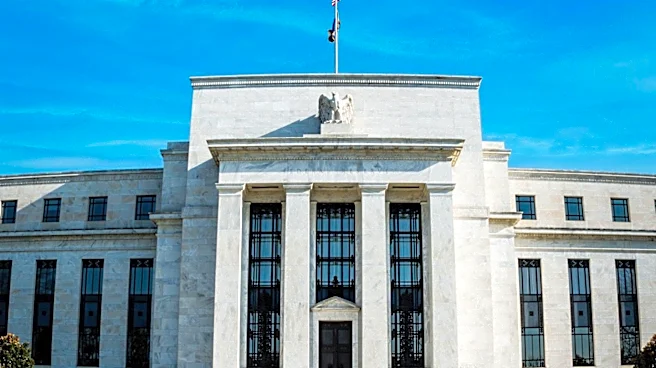
hikes by the Federal Reserve. The strengthening of the US dollar has further pressured gold prices downward. Recent diplomatic developments between the US and Iran have also reduced immediate safe-haven demand for gold. Despite this correction, major banks remain optimistic about gold's long-term prospects, citing strong central bank buying and ongoing concerns over fiat currency stability.
Why It's Important?
The decline in gold prices reflects broader economic trends, including the impact of inflation and monetary policy on asset prices. As the Federal Reserve considers interest rate hikes, non-yielding assets like gold become less attractive compared to high-performing bonds. The strengthening US dollar, driven by capital inflows, further exacerbates the pressure on gold prices. This situation highlights the interconnectedness of global financial markets and the influence of US monetary policy on international asset valuations. Investors and policymakers alike are closely monitoring these developments, as they have significant implications for investment strategies and economic stability.
What's Next?
Looking ahead, the market anticipates further interest rate hikes by the Federal Reserve, which could continue to impact gold prices. However, major banks view the current correction as a cyclical consolidation rather than a long-term decline, suggesting that foundational demand for gold remains strong. Central banks are expected to continue purchasing gold as a hedge against currency instability and global debt concerns. Investors may adjust their portfolios in response to these dynamics, balancing the risks and opportunities presented by changing economic conditions.