



What's Happening?
The live-action/animated hybrid film 'Coyote vs. Acme,' which was previously shelved by Warner Bros. Discovery under the direction of David Zaslav, has been acquired by Ketchup Entertainment and is now eligible for the Best Animated Feature category at the 2027
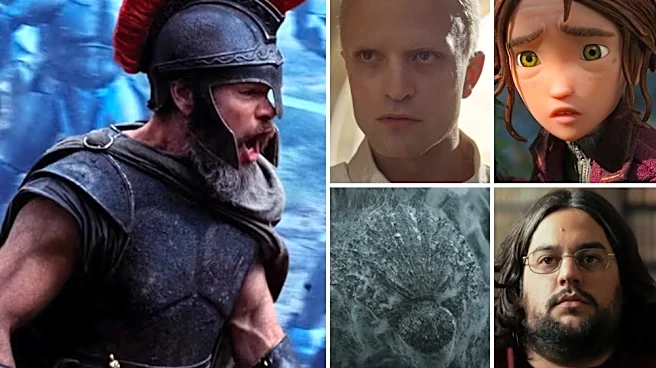
Oscars. The Academy of Motion Picture Arts and Sciences has released a list of 38 eligible animated features, with 'Coyote vs. Acme' among them. This marks a significant development for the film, which was initially prevented from release. The film's eligibility means that Wile E. Coyote could potentially be featured in an Oscar-nominated film for the first time, and it would be only the second live-action/animation hybrid to achieve this, following 'Marcel the Shell With Shoes On.' Other notable contenders for the award include Pixar's 'Toy Story 5,' Laika's 'Wildwood,' and international productions like 'Julián' from Ireland and 'The Violinist' from Singapore.
Why It's Important?
This development highlights the complex dynamics within the film industry, particularly concerning studio decisions and their impact on creative works. David Zaslav's initial decision to 'spike' the release of 'Coyote vs. Acme' sparked considerable discussion about the value placed on completed projects and the financial motivations behind such choices. The film's subsequent acquisition by Ketchup Entertainment and its Oscar eligibility underscore the potential for films to find new life and recognition even after being discarded by major studios. This situation could influence future strategies for film distribution and acquisition, potentially encouraging independent distributors to seek out projects that larger studios deem unviable. For the animation industry, it reinforces the artistic merit of hybrid films and offers a unique opportunity for a classic Looney Tunes character to gain prestigious recognition, potentially broadening the appeal and critical acceptance of such productions.
What's Next?
As 'Coyote vs. Acme' is now officially eligible, the focus will shift to its performance in the Oscar race for Best Animated Feature. The film will compete against a strong field of contenders, including highly anticipated sequels and critically acclaimed international features. The Academy's voting process will determine if 'Coyote vs. Acme' secures a nomination, which would further validate Ketchup Entertainment's decision to acquire it. The outcome could also influence how other studios approach similar completed projects that are currently unreleased or shelved. The success of 'Coyote vs. Acme' in the awards circuit could set a precedent for how 'spiked' films are viewed and valued within the industry, potentially leading to more opportunities for such projects to find new homes and audiences.
Beyond the Headlines
The journey of 'Coyote vs. Acme' from being shelved to becoming an Oscar-eligible film raises deeper questions about artistic control versus corporate strategy in Hollywood. The initial decision by Warner Bros. Discovery to cancel the film, reportedly for tax write-offs, sparked outrage among filmmakers and fans, highlighting a tension between creative output and financial maneuvering. The film's revival and subsequent Oscar eligibility could be seen as a victory for artistic integrity and a challenge to the notion that completed works can be simply erased for business reasons. This case may encourage greater transparency and accountability from studios regarding their decisions on film releases, and it could empower creators to advocate more strongly for their projects. It also underscores the enduring cultural significance of characters like Wile E. Coyote, demonstrating their continued relevance and potential for critical acclaim in contemporary cinema.