







What's Happening?
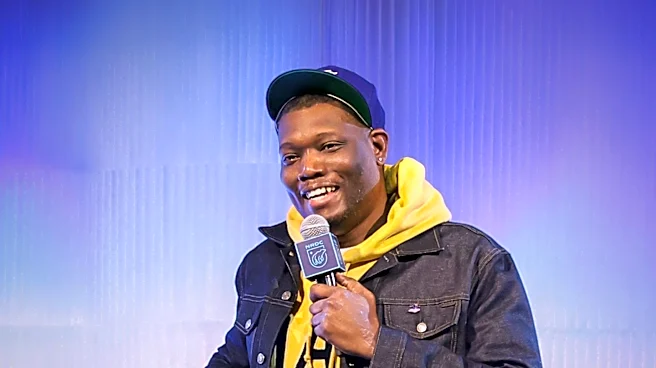
Michael Che, a star of 'Saturday Night Live' (SNL), has commented on the recent controversy surrounding fellow comedian Shane Gillis's monologue on the show. During the October 10 episode of SNL, Gillis made a joke suggesting that women dress like 'whores'
at the gym, specifically referencing their shorts. This remark quickly drew criticism across social media and from some celebrities. Che appeared on TODAY on October 15 to promote his new Netflix comedy special, 'Michael Che: Shot in Minnesota.' During the interview, he was asked about an Instagram post he made earlier in the week that referenced Gillis, where he expressed anticipation of questions about the incident. Che stated that he did not see Gillis's monologue live, as he was focused on his own cue cards, and only saw it the following day. When asked for his thoughts on the joke, Che responded that he 'didn't think about it honestly,' characterizing such incidents as part of comedy where some find things funny and others do not. He also mentioned that SNL writers typically see the opening monologue in advance only if they are not actively working on other segments.
Why It's Important?
This incident highlights the ongoing debate surrounding the boundaries of comedy and what constitutes offensive humor, particularly in a widely viewed national platform like SNL. The immediate and widespread backlash against Gillis's comments underscores the public's increasing sensitivity to remarks perceived as misogynistic or derogatory towards women. For comedians and television networks, it emphasizes the challenges of balancing creative freedom with social responsibility and audience expectations. The controversy could influence future content decisions at SNL and other comedy shows, potentially leading to more scrutiny of monologue material. It also reflects the power of social media in amplifying criticism and shaping public discourse around cultural events. For Michael Che, his measured response attempts to navigate the situation without directly endorsing or condemning Gillis's joke, reflecting the complex dynamics within the comedy community when one of its members faces public censure.
What's Next?
The immediate aftermath of Shane Gillis's controversial monologue will likely involve continued public discussion and scrutiny of his remarks. While TODAY.com has reached out to Gillis and 'Saturday Night Live' for comment, no response has been received yet, indicating a potential period of silence or careful consideration before any official statements are made. The incident could lead to internal discussions within SNL regarding the vetting process for monologues and the potential impact of controversial jokes. For Michael Che, the promotion of his new Netflix special will continue, and he may face further questions about the incident in subsequent interviews. The broader comedy landscape might see increased caution from performers and networks when addressing sensitive topics, or conversely, some may double down on provocative humor. The long-term impact on Gillis's career and his relationship with SNL remains to be seen, depending on how the controversy evolves and whether he issues a public apology or further clarification.
Beyond the Headlines
The controversy surrounding Shane Gillis's SNL monologue delves into deeper societal conversations about gender, humor, and the role of public figures in shaping cultural norms. The joke about women's gym attire, while presented as comedy, touches upon issues of objectification and the policing of women's bodies. This incident reflects a broader cultural tension between traditional comedic approaches, which sometimes rely on shock value or stereotypes, and evolving societal expectations for inclusivity and respect. The swift public reaction, amplified by social media, demonstrates how audiences are increasingly holding entertainers accountable for their words, pushing for a more conscious and responsible form of humor. This shift challenges comedians to re-evaluate their material and consider the potential impact beyond immediate laughter. It also raises questions about the responsibility of platforms like SNL in curating content that aligns with contemporary values while still fostering artistic expression. The incident serves as a microcosm of the ongoing cultural negotiation between freedom of speech and the imperative to avoid perpetuating harmful stereotypes.