




What's Happening?
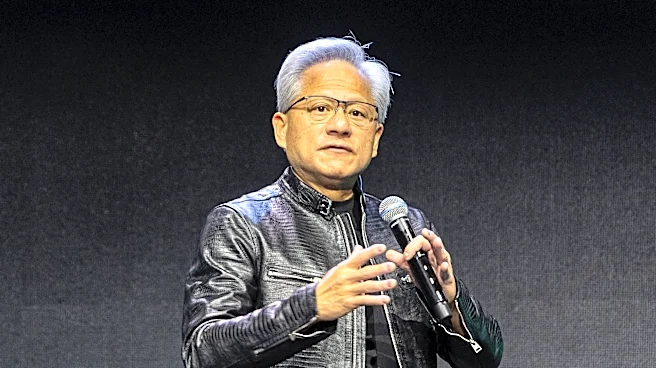
Jensen Huang, the former CEO of Nvidia, is exploring various strategies to potentially reclaim his leadership role at the company. Despite the Nvidia board publicly indicating disinterest in his return, reports suggest that three directors are advocating
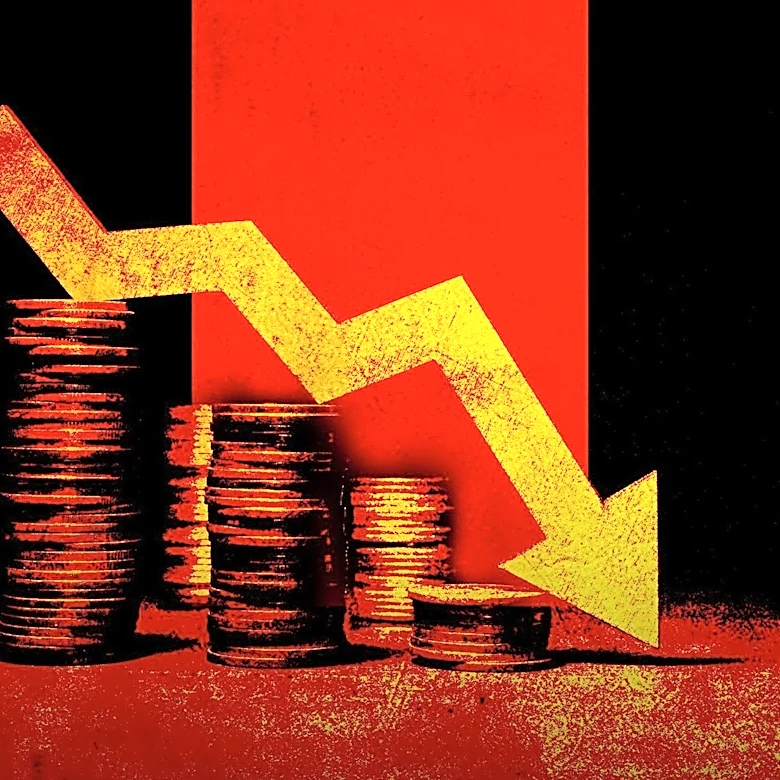
for his reinstatement. Huang himself has expressed that he would be 'honored' to return if the board deemed it beneficial for the company. His significant 3.5% stake in Nvidia and his status as a founder provide him with several options to challenge the board's current stance. These options include directly appealing to shareholders to build support, leveraging the next annual meeting to challenge the board's nominees, or even initiating a proxy fight. A petition calling for his return has garnered over 200,000 signatures, and Nvidia has experienced a substantial market value decline of over $1 trillion since his resignation, adding pressure on the board.
Why It's Important?
The potential return of Jensen Huang to Nvidia's helm carries significant implications for the company, its shareholders, and the broader technology industry. Huang's leadership was instrumental in Nvidia's rise as a dominant force in AI and accelerated computing. His potential comeback could either stabilize the company amidst recent market value losses or create further internal divisions if the board remains resistant. For shareholders, the uncertainty surrounding leadership could impact investment decisions, while a successful return might be seen as a positive for long-term growth, given his track record. The situation also highlights the power dynamics between a founder with substantial equity and a corporate board, setting a precedent for how such leadership transitions are managed in major tech firms. The ongoing pressure from public petitions and market performance underscores the influence of external sentiment on corporate governance.
What's Next?
Jensen Huang's immediate next steps could involve actively engaging with major shareholders to garner their support, potentially leading to a direct appeal to the board. Shareholder activism advisory firms suggest he could rally investors to signal their desire for his return, which might prompt the board to act before the next annual meeting to avoid a public confrontation. If direct persuasion fails, Huang could utilize his shares and public profile to influence the upcoming annual vote, turning it into a referendum on the current board's decisions. This could involve urging investors to vote against existing board nominees. A more aggressive approach could be a proxy fight, where Huang would seek to replace current board members with those more amenable to his return. The board will likely face increasing pressure to address the concerns of shareholders and the public, especially if Nvidia's market performance continues to be affected.
Beyond the Headlines
The ongoing saga of Jensen Huang's potential return to Nvidia delves into the complex interplay of corporate power, founder influence, and market perception. It raises fundamental questions about who ultimately controls a company's direction—the board, the founder, or the collective will of shareholders. The situation also highlights the emotional and financial attachment stakeholders can have to a charismatic leader, especially one credited with inventing an entire industry. Ethically, it brings to the forefront the responsibilities of a board to act in the best interest of the company versus succumbing to public pressure or the influence of a powerful individual. The outcome could redefine the boundaries of founder power in publicly traded companies and influence future corporate governance strategies in the tech sector, particularly concerning succession planning and crisis management following a high-profile CEO departure.