





What's Happening?
Reliable Robotics, an aviation startup founded by SpaceX alums, has successfully raised an additional $115 million in funding, pushing its valuation beyond $1 billion. This financing round includes $90 million in equity led by Nimble Partners and $25
million in debt from Silicon Valley Bank, bringing its total Series D round to $275 million and total funding to $380 million. The Mountain View, California-based company is focused on developing and certifying autonomous flying technology for existing aircraft. Co-founder and CEO Robert Rose stated that the company is making steady progress towards obtaining certification from the Federal Aviation Administration (FAA) for its systems. Reliable Robotics is pursuing FAA certification on four distinct fronts, all integral to its goal of achieving autonomous flight capabilities.
Why It's Important?
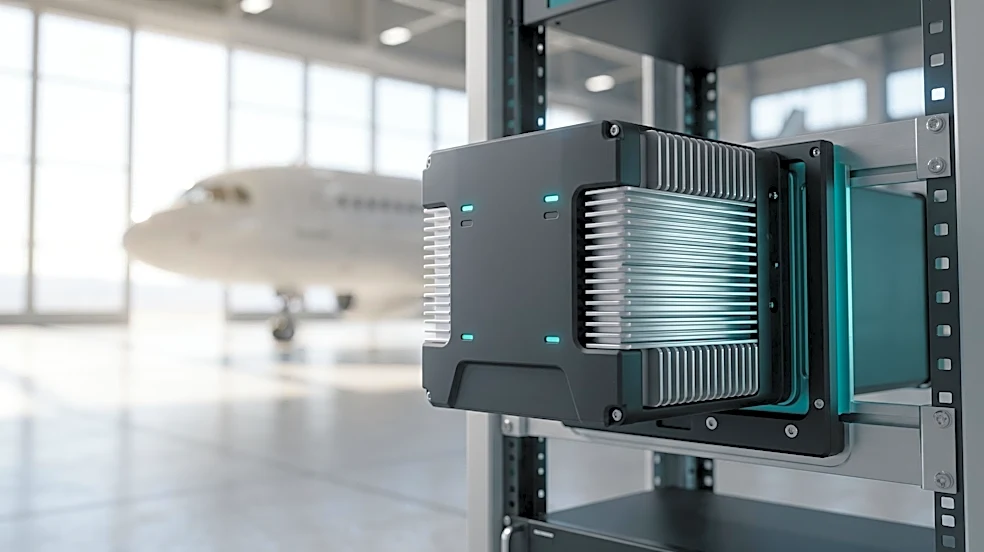
This significant funding and unicorn valuation underscore growing investor confidence in the future of autonomous aviation. For the U.S. aviation industry, the successful certification of Reliable Robotics' technology by the FAA could mark a pivotal shift, potentially enhancing safety, efficiency, and accessibility of air travel and cargo operations. The development of autonomous flight systems could address pilot shortages, reduce operational costs for airlines, and open new possibilities for air logistics. The company's in-house developed solid-state radar, designed for collision avoidance, also represents a significant advancement in aviation safety technology, potentially mitigating risks associated with mid-air and ground collisions. This innovation could set new industry standards for radar systems, offering a more reliable and cost-effective solution than traditional models.
What's Next?
Reliable Robotics anticipates receiving certification for its continuous autopilot engagement system, which manages engine startup, taxiing, takeoff, and landing, within the next 18 to 24 months. The company expects to achieve certification for removing the pilot from the cockpit and relocating them to a ground-control station in approximately three years. Furthermore, the solid-state collision-avoidance radar is projected to be certified by the end of 2027. Concurrently, Reliable Robotics is working towards certifying its own airline, Reliable Airlines, based in Albuquerque, which currently operates six Cessna Caravans for cargo flights. This airline will be the first to utilize the autonomous flying technology once certified, demonstrating its practical application and paving the way for broader industry adoption.
Beyond the Headlines
The advancements by Reliable Robotics extend beyond mere technological innovation; they challenge the traditional paradigms of aviation safety, regulation, and human involvement. The move towards autonomous flight raises profound ethical and legal questions regarding liability in the event of incidents, the role of human oversight in highly automated systems, and the psychological impact on passengers and air traffic controllers. Culturally, it signifies a broader societal acceptance of AI and automation in critical sectors. The FAA's certification process for such groundbreaking technology will likely set precedents for future autonomous systems across various transportation modes, influencing regulatory frameworks globally. The long-term implications include a potential restructuring of the aviation workforce, with a shift from traditional piloting roles to ground-based monitoring and maintenance, and the emergence of new business models in air cargo and potentially passenger transport.