


What's Happening?
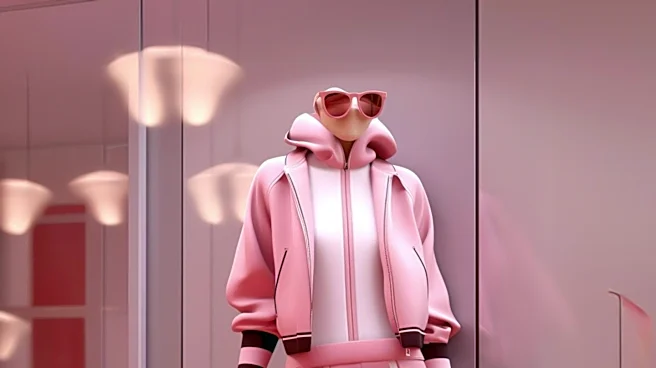
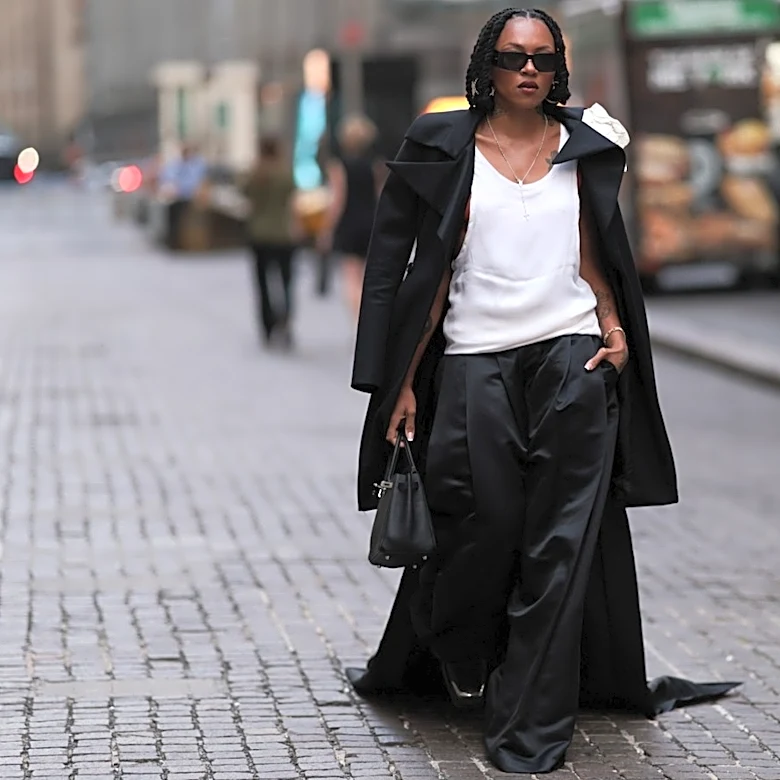
Athleisure has transitioned from a mere fashion trend into a comprehensive design language that integrates bodily awareness, life's rhythms, and personal expression. This evolution reflects the blurring lines between work, exercise, and daily life, leading
to clothing that adapts to an individual's shifting identities throughout the day. Brands like Glocal Mahjong and TITIKA Active Couture are at the forefront of this redefinition. Glocal Mahjong, a Hong Kong brand, reinterprets mahjong as a contemporary design language, weaving cultural symbols into garment structure and functionality. TITIKA Active Couture, based in Toronto, Canada, focuses on North American minimalist urban aesthetics to create comfortable and elegant athleisure wear, emphasizing free movement across various life roles. Both brands aim to make athleisure a genuine part of modern lifestyles, transcending its original function to carry lifestyle and emotional value.
Why It's Important?
This shift in athleisure's role signifies a broader change in consumer behavior and expectations within the U.S. fashion and retail industries. Consumers are increasingly prioritizing versatility, comfort, and personal expression in their clothing choices, demanding garments that seamlessly transition between different activities and environments. For U.S. businesses, this means a need to adapt product development and marketing strategies to cater to this evolving demand. Brands that successfully integrate cultural relevance, functional design, and aesthetic appeal will likely gain a competitive edge. The emphasis on 'bodily awareness' and 'self-expression' also highlights a growing trend towards mindful consumption and personalized style, impacting how fashion is designed, produced, and consumed across the nation. This evolution could lead to new market segments and collaborations between fashion, wellness, and technology sectors.
What's Next?
The athleisure market is expected to continue its growth and diversification, with more brands likely to adopt a design language approach that prioritizes adaptability and cultural integration. We may see increased innovation in fabric technology to enhance comfort and performance, alongside design elements that reflect diverse cultural narratives and individual identities. Retailers will likely expand their athleisure offerings, moving beyond traditional activewear to include more versatile and aesthetically sophisticated options. Collaborations between fashion designers, cultural institutions, and wellness experts could become more common, leading to unique product lines and experiences. Consumers can anticipate a wider range of athleisure wear that supports their dynamic lifestyles, blurring the lines between casual, professional, and athletic attire.
Beyond the Headlines
The transformation of athleisure into a design language reflects deeper societal shifts, particularly in the U.S., concerning work-life balance and personal identity. As remote work and flexible schedules become more prevalent, the demand for clothing that supports a fluid lifestyle will continue to grow. This trend also touches upon the ethical and cultural dimensions of fashion, encouraging brands to consider how clothing can connect individuals to their heritage and values, as exemplified by Glocal Mahjong's approach. The focus on comfort and elegance in everyday wear challenges traditional notions of formality and occasion-specific dressing, potentially leading to a more relaxed yet refined aesthetic in mainstream fashion. This evolution could also influence urban planning and public spaces, as people seek environments that accommodate a more integrated approach to work, exercise, and social life.