








What's Happening?
The privatization race for TAP Air Portugal has intensified, with Air France-KLM and Lufthansa Group submitting improved final offers for up to 49.9% of the Portuguese flag carrier. Both airline groups view TAP as a strategically important asset due to its
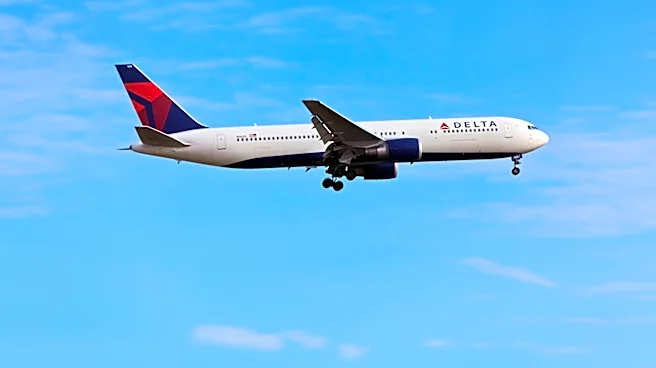
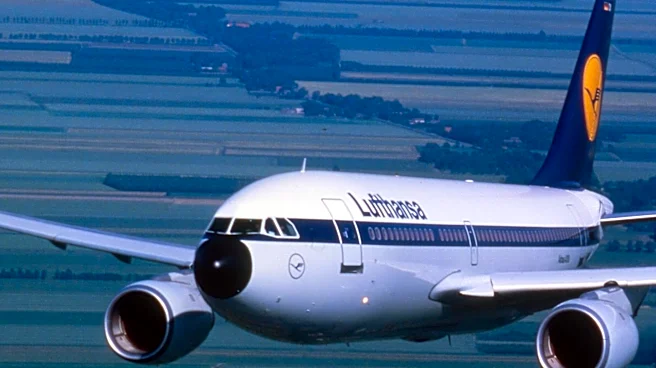
Lisbon hub and its dominant position on routes connecting Europe with Brazil and other Portuguese-speaking markets. Air France-KLM's CEO, Ben Smith, stated that their revised offer is a long-term plan to support TAP’s growth and maintain Portugal’s international connectivity, proposing Lisbon as the group’s exclusive southern European hub. The Portuguese government expects the winning bidder to invest in TAP, expand strategic routes, and develop connectivity through Lisbon and regional airports. Air France-KLM also aims to strengthen TAP's presence in Porto and other Portuguese cities, with support from transatlantic partners like Delta Air Lines, potentially giving TAP access to a combined network of 375 destinations. Lufthansa Group also confirmed an updated proposal to the Portuguese state holding company Parpública, emphasizing its commitment to TAP and Portugal, citing its experience with ITA Airways as a model for developing network airlines. The Portuguese government anticipates announcing the winning bidder by mid-October 2026.
Why It's Important?
The privatization of TAP Air Portugal holds significant implications for the European aviation industry and transatlantic travel, particularly for routes between Europe and Brazil. TAP's Lisbon hub is a critical gateway, with Lisbon being Europe's largest gateway to Brazil, accounting for 31.4% of total Europe-Brazil capacity. The acquisition by either Air France-KLM or Lufthansa Group would consolidate market power and reshape competitive dynamics in this lucrative corridor. For the U.S., Air France-KLM's proposal to leverage its transatlantic partners, including Delta Air Lines, could lead to expanded connectivity options for American travelers to Portugal and onward to Brazil and other Portuguese-speaking nations. This could result in increased flight frequencies, new routes, and potentially more competitive pricing due to enhanced network integration. Conversely, if Lufthansa Group secures the bid, it could strengthen its own global network, potentially impacting alliances and partnerships in the U.S. market. The outcome will influence airline strategies, route development, and passenger choices for international travel, affecting both leisure and business segments.
What's Next?
The Portuguese government is expected to announce the winning bidder for TAP Air Portugal by mid-October 2026. Following the announcement, the chosen airline group will likely begin the process of integrating TAP into its existing operations, which will involve strategic planning for route expansion, fleet management, and operational synergies. This integration will be closely watched by competitors and regulatory bodies, particularly regarding potential impacts on market competition and consumer choice. Both Air France-KLM and Lufthansa Group have outlined plans for investment and network development, suggesting that the winning bid will lead to significant changes in TAP's operations and its role in the global aviation landscape. Stakeholders, including employees, passengers, and partner airlines, will be awaiting details on how the acquisition will affect services, employment, and future growth prospects. The decision will also set a precedent for future airline privatizations and consolidations in the European market.
Beyond the Headlines
The privatization of TAP Air Portugal extends beyond mere financial transactions, touching upon broader geopolitical and economic considerations. The strategic importance of Portugal's connectivity to Brazil and other Portuguese-speaking countries highlights the enduring value of historical and linguistic ties in shaping modern economic corridors. The competition between Air France-KLM and Lufthansa Group reflects a larger trend of consolidation in the global airline industry, where major players seek to expand their reach and secure key hubs to enhance their competitive advantage. This trend can lead to increased efficiency and broader networks for passengers but also raises concerns about potential monopolistic practices and reduced competition. Furthermore, the Portuguese government's emphasis on investment and connectivity development underscores the role of national airlines as instruments of economic development and international relations. The outcome will not only determine the future trajectory of TAP but also influence the balance of power among Europe's leading airline groups and their respective alliances, with ripple effects on global aviation strategies and partnerships.