







What's Happening?
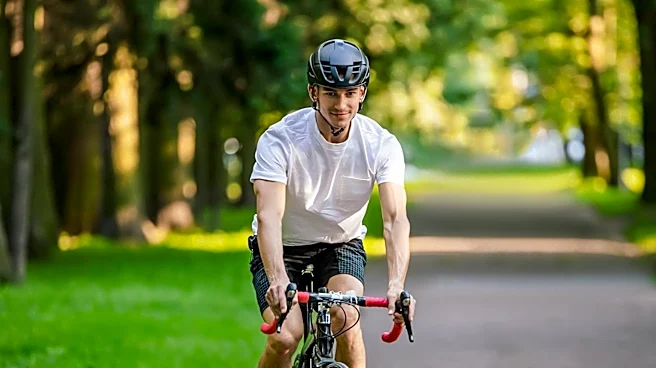
A recent scoping review of 87 studies, published in Frontiers in Sports and Active Living, indicates that cycling offers unique and broad benefits for brain health, surpassing many other forms of exercise. The review found that bicycling interventions
positively impacted psychological, affective, social, and cognitive domains. Unlike activities that offer singular benefits, cycling, especially outdoors and with others, combines aerobic movement, cognitive engagement (such as navigating and maintaining balance), outdoor exposure, and social interaction. These combined factors are independently linked to improved mental health and healthy aging. The study highlighted that multi-session, outdoor cycling interventions yielded the strongest results, suggesting that the rich, stimulating environment of outdoor rides, coupled with social opportunities and routine, amplifies mental health benefits. Cycling also contributes to building VO2 max, a key indicator of cardiovascular fitness associated with healthy aging and longevity. The research also suggests that e-bikes can lower the barrier to entry for less active individuals, extending these mental health and cognitive benefits to a wider population.
Why It's Important?
The findings underscore the significant role cycling can play in public health strategies aimed at improving mental well-being and cognitive function across the U.S. By demonstrating cycling's comprehensive benefits, this research could influence healthcare recommendations, urban planning, and community program development. For individuals, it provides a compelling reason to adopt cycling as a regular activity, potentially reducing the incidence of mental health issues and cognitive decline. For urban planners, the emphasis on outdoor and social cycling could drive investments in bike-friendly infrastructure, such as dedicated bike lanes and community cycling events, making cities more livable and healthier. The inclusion of e-bikes as a viable option for mental health benefits also broadens accessibility, potentially engaging older adults or those with physical limitations who might otherwise be sedentary. This could lead to a healthier, more engaged populace, reducing healthcare burdens and fostering stronger community ties.
What's Next?
Following these findings, there may be an increased push for public health campaigns promoting cycling as a holistic approach to well-being. Local governments and community organizations might explore expanding cycling programs, particularly those that encourage outdoor and group rides. The growing recognition of e-bikes' role in promoting physical activity could lead to policy discussions around subsidies or incentives to make them more accessible, especially for demographics that stand to benefit most. Further research is likely to focus on long-term intervention studies to solidify the causal links between cycling and specific brain health outcomes, as well as to explore the optimal types and durations of cycling for maximum benefit. Additionally, urban development projects may increasingly prioritize cycling infrastructure, integrating it into broader plans for sustainable and health-conscious communities.
Beyond the Headlines
Beyond the immediate health implications, this research touches upon deeper societal shifts towards holistic well-being and sustainable living. The emphasis on outdoor and social aspects of cycling highlights a growing recognition of the interconnectedness between physical activity, mental health, and environmental factors. It challenges the traditional view of exercise as solely a physical endeavor, repositioning it as a multifaceted activity that fulfills psychological needs for autonomy, competence, and relatedness. This could foster a cultural shift where cycling is not just a mode of transport or a sport, but a fundamental component of a balanced and fulfilling lifestyle. The accessibility offered by e-bikes also raises questions about equity in health, ensuring that the benefits of active living are not exclusive to those with high physical fitness, but are available to a broader spectrum of the population, promoting inclusivity in health initiatives.