
What's Happening?
Fitness experts are emphasizing a balanced approach to upper-body training that goes beyond 'mirror muscles' to include functional strength and injury prevention. The focus is on diversity of movement
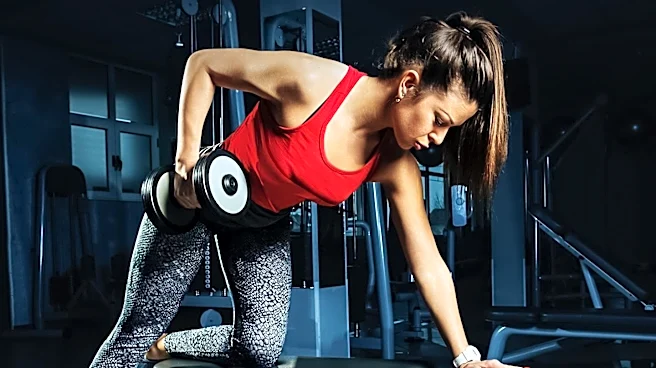
and engaging various muscle groups effectively. Key exercises highlighted for comprehensive upper-body development include pull-ups, military/overhead presses, farmer's carries, push-ups, dumbbell bench presses, cable flies, incline lateral raises, barbell bent-over rows, inverted rows, hanging leg raises, ab wheel rollouts, and face pulls. Each exercise is described with proper form, benefits, and recommended sets and repetitions. For instance, pull-ups are lauded for developing the middle and upper back, while military presses build shoulder and trap strength and require significant stabilization from the core. The importance of grip strength is underscored with the farmer's carry, and push-ups are recognized for muscular endurance and core training. The guidance aims to help individuals cut through trendy movements and focus on foundational exercises for lasting results.
Why It's Important?
This detailed guidance on upper-body workouts is important for promoting healthier and more effective fitness practices among the U.S. population. By emphasizing functional strength and injury prevention alongside aesthetic goals, it addresses common pitfalls in exercise routines, such as over-focusing on certain muscle groups or neglecting proper form. The inclusion of diverse exercises caters to various fitness levels and equipment availability, making comprehensive training more accessible. For individuals, this means a reduced risk of injury, improved posture, and enhanced efficiency in daily movements. For the broader health and fitness industry, it reinforces the value of well-rounded training programs and educates consumers on making informed choices about their exercise regimens, potentially leading to better long-term health outcomes and a more active populace.
What's Next?
Individuals can integrate these recommended exercises into their existing fitness routines or use them to construct new, balanced upper-body workouts. Fitness professionals and trainers may use this information to refine their coaching methods and program designs, ensuring clients receive comprehensive and effective training. The emphasis on proper form and progressive overload suggests that continued education and adherence to these principles will be crucial for sustained results. As more people adopt these balanced approaches, there could be a shift in fitness culture towards greater appreciation for functional strength and overall well-being, potentially influencing the types of fitness classes, equipment, and training philosophies offered in gyms and fitness centers across the U.S.
Beyond the Headlines
Beyond the immediate benefits of improved physical fitness, this approach to upper-body training has deeper implications for public health and wellness. By advocating for functional strength and injury prevention, it subtly challenges the often superficial focus on appearance in fitness culture. This shift can foster a more sustainable and holistic view of health, where exercise is seen not just as a means to achieve a certain look, but as a vital component of long-term physical capability and quality of life. Ethically, it promotes responsible training practices, potentially reducing the incidence of exercise-related injuries and the associated healthcare costs. Culturally, it could contribute to a more informed and empowered fitness community, where individuals prioritize health and longevity over fleeting trends.