






What's Happening?
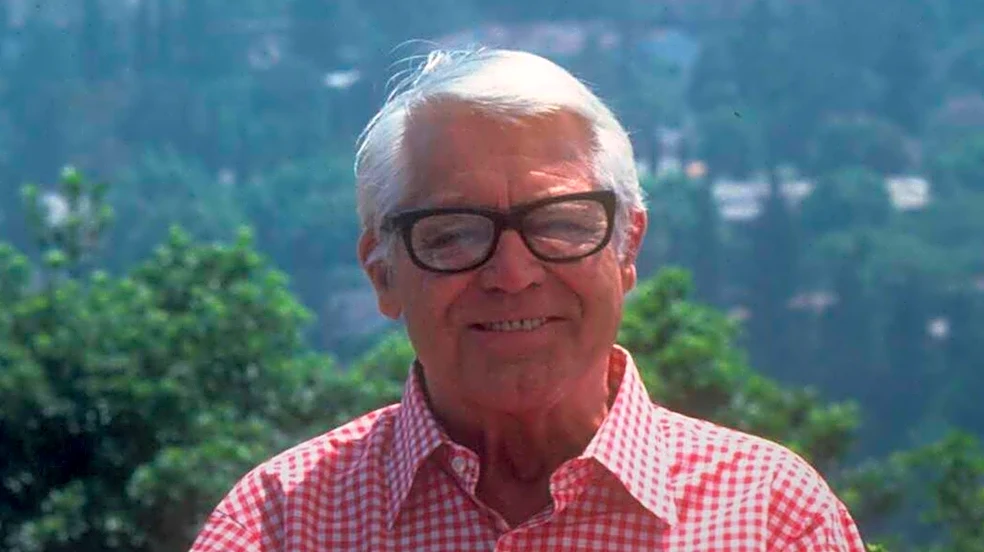
Steve Martin, a celebrated figure in comedy, has named Cary Grant as the greatest comedy actor of all time, diverging from the common consensus that often points to Peter Sellers. Martin expressed his admiration for Grant's 'effortless' comedic delivery,
highlighting how Grant's performances in films like 'Bringing Up Baby,' 'His Girl Friday,' and 'The Philadelphia Story' showcased a unique blend of straight-laced seriousness with deft comic timing. While acknowledging Sellers's formidable talent, Martin emphasized his preference for actors who play things 'a little straighter and more serious' while still delivering sharp, witty performances. He described Grant as an 'ideal,' noting that his smoothest work was often 'big, goofy takes' that appeared deceptively simple. This perspective underscores Martin's appreciation for a more subtle and nuanced approach to comedy acting.
Why It's Important?
Steve Martin's choice of Cary Grant as the greatest comedy actor is significant because it offers a nuanced perspective on what constitutes comedic brilliance, moving beyond overt slapstick or character transformations. Martin's emphasis on 'effortless' delivery and the ability to play things 'straighter' highlights a sophisticated understanding of comedic timing and presence. This viewpoint can influence how audiences and aspiring actors perceive and value different forms of comedy, encouraging an appreciation for subtlety and character-driven humor. It also sparks a broader discussion within the entertainment industry about the diverse techniques that contribute to effective comedic performance. By championing Grant, Martin not only pays homage to a classic Hollywood star but also advocates for a style of comedy that relies on inherent charm, sharp dialogue, and understated reactions, rather than solely on exaggerated expressions or physical gags.
What's Next?
Steve Martin's public declaration regarding Cary Grant is likely to spark renewed interest in Grant's filmography and a re-evaluation of his comedic contributions. This could lead to increased viewership of Grant's classic films and more critical discussions about his acting style. For aspiring comedy actors, Martin's comments might encourage a deeper study of Grant's performances, focusing on the nuances of his delivery and timing. It could also influence future comedic writing and acting, promoting a style that values subtlety and character over broad strokes. While unlikely to drastically alter the landscape of modern comedy, it serves as a valuable reminder of the diverse forms comedic genius can take and the enduring legacy of classic Hollywood performers.
Beyond the Headlines
Steve Martin's preference for Cary Grant as the greatest comedy actor delves into the philosophical underpinnings of humor and performance. It suggests that true comedic mastery often lies in the ability to make the difficult appear easy, creating an illusion of effortlessness that belies immense skill and precision. This perspective challenges the common perception that comedy must be overtly funny or exaggerated to be effective. Instead, it champions a form of humor that is integrated into character and narrative, relying on wit, charm, and impeccable timing. Martin's admiration for Grant also highlights the timeless quality of certain acting styles, demonstrating that what was considered brilliant decades ago can still resonate and be appreciated by contemporary artists. It encourages a deeper appreciation for the craft of acting, where subtlety and authenticity can be more impactful than overt comedic gestures.