





What's Happening?
The U.S. economy grew at a sluggish 1.5% rate in the second quarter of 2026, down from 2.1% in the first quarter, according to the Commerce Department. Consumer spending, which accounts for a significant portion of economic activity, increased at a 3.2%
annual rate. Business investment, particularly in artificial intelligence, remained strong despite a slight decline from the previous quarter. The Federal Reserve's preferred inflation measure, the PCE index, rose 3.7% year-over-year, indicating persistent inflation above the central bank's target. The economy has shown resilience amid geopolitical tensions and energy price spikes.
Why It's Important?
The slowdown in economic growth and persistent inflation present challenges for the Federal Reserve and policymakers. The high cost of living remains a significant concern for Americans, potentially influencing voter sentiment in the upcoming midterm elections. The resilience of consumer spending and business investment highlights underlying economic strength, but the ongoing geopolitical tensions and energy price volatility continue to pose risks.
What's Next?
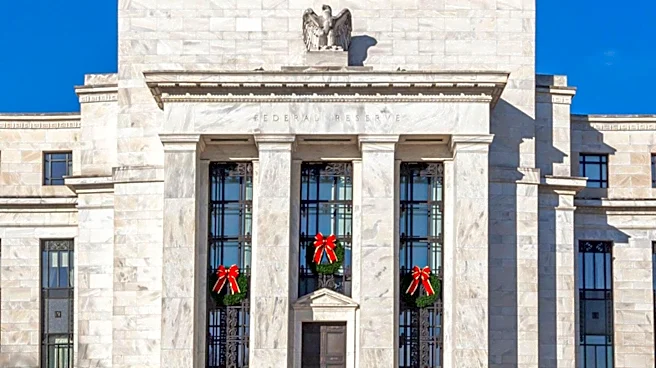
The Federal Reserve's decision on interest rates will be closely monitored, as inflation remains above target. The upcoming midterm elections could impact economic policy decisions, with potential shifts in the political landscape. Additionally, the ongoing geopolitical tensions and energy price volatility will continue to influence economic conditions.