


What's Happening?
L’Occitane, Clarins, and Guerlain are strategically incorporating their signature skincare and fragrance lines into bookable spa experiences. This approach allows customers to engage with products in a professional setting, guided by therapists. For instance,
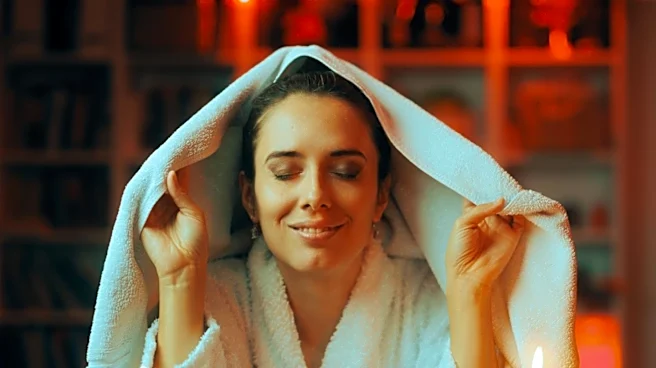
the Sofitel Spa L’Occitane en Provence in Sydney, Australia, offers a 135-minute 'Immortelle Renewal Journey' that features L’Occitane’s Immortelle Reset facial and a Sleep & Reset Massage. This initiative aims to connect spa appointments with subsequent product purchases, leveraging the spa environment as a product-discovery channel. The strategy includes signature skincare rituals, hotel partnerships, and spa-exclusive products, providing customers with an extended trial period and expert guidance on product usage. This move is designed to capitalize on the growing trend of experience-gifting, particularly during holiday seasons, by offering spa vouchers that introduce recipients to the brands through a service.
Why It's Important?
This trend signifies a shift in how prestige beauty brands are approaching product marketing and customer engagement in the U.S. and globally. By integrating their products into spa services, these brands are creating immersive experiences that go beyond traditional retail displays. This allows consumers to try products in a relaxed, professional setting, potentially leading to higher conversion rates and stronger brand loyalty. For the beauty industry, this strategy offers a new avenue for product trial and education, especially for high-end items that require a deeper understanding of their benefits. It also strengthens partnerships between beauty brands and luxury hospitality, creating a symbiotic relationship where both benefit from enhanced customer experiences and increased revenue streams. This approach could influence other sectors of the retail industry to explore similar experiential marketing tactics.
What's Next?
The success of these integrated spa experiences could lead to wider adoption of similar strategies across the beauty and wellness industries. More luxury brands may seek partnerships with high-end hotels and spas to offer unique, product-centric treatments. This could also drive innovation in spa service offerings, with a greater emphasis on personalized rituals that highlight specific product lines. Consumers can expect to see more opportunities to experience premium beauty products in a service-oriented context, potentially influencing their purchasing decisions. The holiday season, with its focus on experience-gifting, will likely be a key period for these brands to promote such offerings, further solidifying the link between spa treatments and product sales.
Beyond the Headlines
This strategy taps into the psychological aspect of luxury consumption, where the experience of a product is often as important as the product itself. By offering a 'discovery channel' through spa treatments, brands are not just selling skincare; they are selling a lifestyle and a sense of well-being. This approach also addresses the challenge of product differentiation in a crowded market, providing a unique value proposition that goes beyond mere efficacy. It highlights a broader cultural shift towards prioritizing experiences over material possessions, even within the realm of luxury goods. The ethical implications could involve ensuring transparency about the commercial aspect of these spa treatments, balancing the therapeutic experience with the sales objective.