







What's Happening?
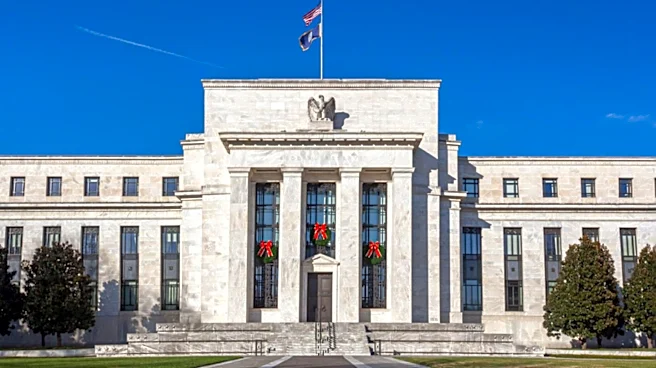
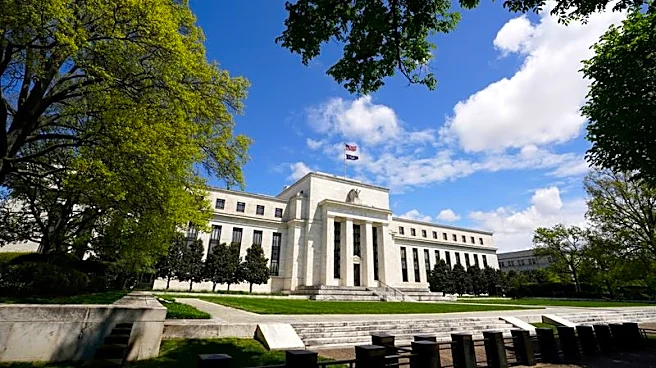
The Federal Reserve is at a critical juncture as it grapples with rising core inflation, which reached 3.4% in May 2026. Despite higher tariffs and energy prices due to the Middle East conflict, the U.S. economy remains resilient, with stable employment
and consumer spending. However, the Fed is concerned about the persistent rise in core inflation, which excludes volatile energy prices. The central bank is debating whether to tighten monetary policy to prevent inflation from becoming entrenched, while also considering the potential risks of overtightening and triggering a recession.
Why It's Important?
The Fed's decisions on monetary policy will have significant implications for the U.S. economy. If inflation continues to rise, the central bank may need to increase interest rates, which could slow economic growth and impact employment. Conversely, failing to address inflation could erode purchasing power and destabilize the economy. The Fed's approach will also influence global markets, as investors watch for signals on the future direction of U.S. monetary policy. The situation is further complicated by ongoing geopolitical tensions and the impact of AI-related investments on inflation.
What's Next?
The Federal Reserve will closely monitor upcoming inflation data to determine its next steps. A key focus will be on core inflation trends and the potential need for policy adjustments. The central bank aims to balance the need to control inflation with the risk of stifling economic growth. Policymakers are also considering the impact of AI investments and geopolitical tensions on inflation. The Fed's decisions will be critical in shaping the economic landscape in the coming months.