




What's Happening?
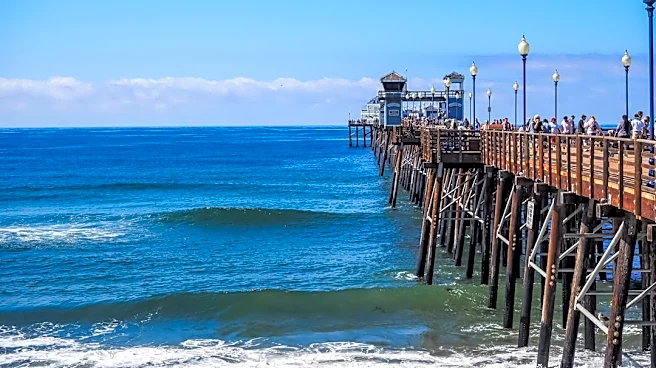
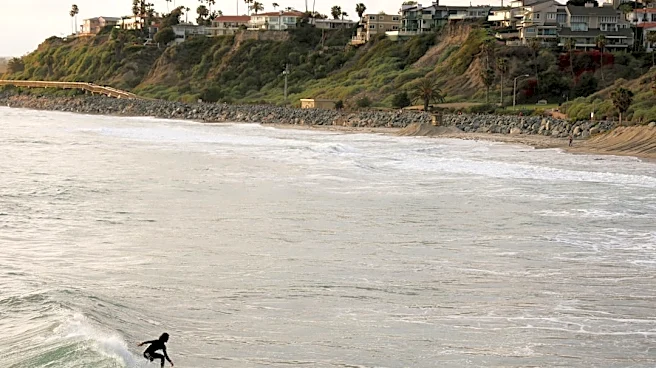
The annual Oceanside Pier Swim has been canceled due to significant surf conditions, marking the latest event to be affected by larger-than-usual waves this summer. Organizers made the decision after consulting with experts who deemed the conditions too
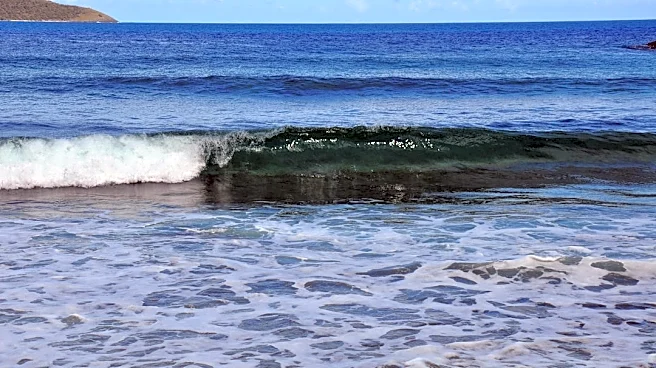
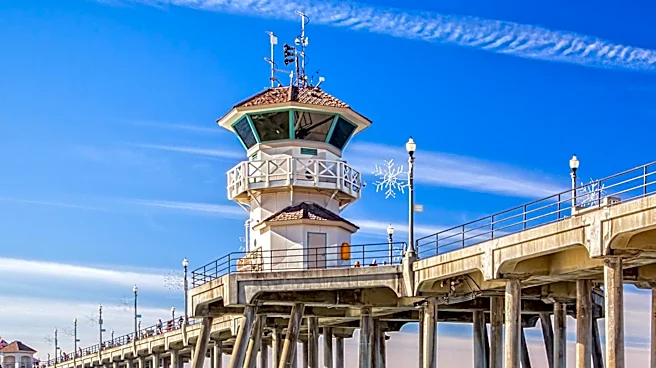
dangerous for participants. Forecasts indicated waves in the six-to-eight-foot range at the Oceanside Municipal Pier, exacerbated by a strong south-to-north current that posed a risk of driving swimmers into the pier. This cancellation follows similar events in Southern California, including the Newport Beach Pier to Pier Swim and the Huntington Beach 75th Annual Pier Swim, which were also affected by high surf.
Why It's Important?
The cancellation of the Oceanside Pier Swim highlights the significant impact of natural weather phenomena on public events and local economies. Such events are often major tourist attractions, bringing revenue to local businesses and providing recreational opportunities. The decision to cancel prioritizes public safety, underscoring the responsibilities of event organizers in assessing environmental risks. This situation also draws attention to the broader implications of changing ocean conditions, potentially linked to larger climate patterns, which can disrupt coastal activities and require communities to adapt their planning and emergency response strategies. The economic impact on local businesses that rely on event-related tourism can be substantial.
What's Next?
Organizers of the Oceanside Pier Swim have announced that they will honor registrations for next year's event or provide refunds upon request. This approach aims to mitigate the financial impact on participants and maintain goodwill for future events. Local authorities and event planners in coastal areas will likely continue to monitor surf forecasts and ocean conditions closely, potentially adjusting future event schedules or implementing more stringent safety protocols. The repeated cancellations of pier swims in Southern California may lead to a reevaluation of event timing or alternative formats to ensure participant safety in the face of unpredictable weather patterns.
Beyond the Headlines
The recurring issue of large surf impacting coastal events in Southern California could signal a long-term trend influenced by climate change and shifting weather patterns. This situation prompts a deeper consideration of how coastal communities and event organizers must adapt to an increasingly dynamic environment. It also raises questions about the sustainability of traditional coastal events and the need for innovative solutions to ensure their continuity while prioritizing safety. The economic and cultural significance of such events to coastal towns means that these adaptations will be crucial for maintaining local traditions and supporting tourism in the face of environmental changes.