







What's Happening?
Melanie Dulbecco, CEO of Torani, a syrup brand, asserts that layoffs are a choice and should be considered a last resort for companies, unless facing bankruptcy. Dulbecco shared how Torani successfully avoided layoffs during challenging times, including
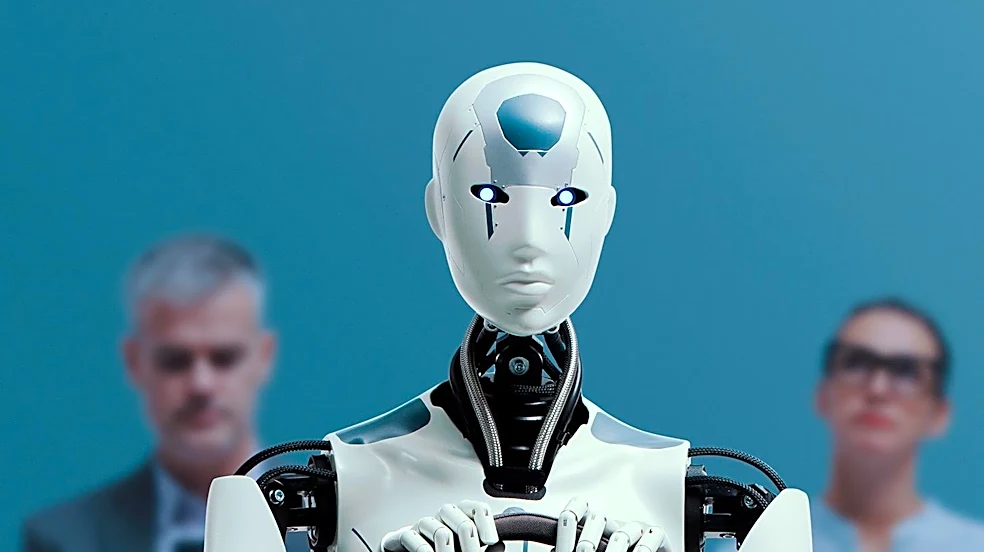
the COVID-19 pandemic and the financial strain of building a new flavor factory. Instead of reducing staff, the company implemented a strategy focused on budget cuts, automation, and a commitment to retaining its entire team. Torani scaled back marketing and advertising expenses, paused company travel, and encouraged all departments to identify and eliminate non-essential costs. The company also leverages automation and artificial intelligence for tasks such as consumer and market research, sales forecasting, and demand planning, which has reduced the need for hiring for manual, rote jobs. This approach allowed Torani to navigate economic uncertainties while fostering employee trust and collaboration.
Why It's Important?
Torani's strategy offers a significant alternative perspective to the common corporate practice of layoffs during economic downturns. This approach is important for U.S. businesses as it demonstrates that workforce reductions are not always an inevitable solution to financial pressures. By prioritizing employee retention through strategic budget management and technological integration, Torani has cultivated a resilient and collaborative work environment. This model could influence other companies to explore similar strategies, potentially leading to greater job security for employees and a more stable workforce. For the broader economy, widespread adoption of such practices could reduce the volatility of employment rates during economic fluctuations. Furthermore, the emphasis on automation for tasks with limited career mobility suggests a forward-thinking approach to workforce development, where technology complements human labor rather than replacing it in a disruptive manner, thereby enhancing employee trust and engagement.
What's Next?
Torani's continued success with this no-layoff policy could serve as a case study for other U.S. companies grappling with economic challenges. As automation and AI become more prevalent, the company's model of using these technologies to 'automate and elevate the work' rather than to justify layoffs might gain traction. Other businesses may begin to re-evaluate their own layoff policies, considering the long-term benefits of employee loyalty and team cohesion against the short-term financial gains of workforce reductions. This could lead to a broader shift in corporate culture, where employee well-being and retention are given higher priority during periods of financial stress. The ongoing discussion around the ethical implications of AI and automation in the workplace could also be influenced by Torani's example, demonstrating how technology can be integrated responsibly to support, rather than displace, human workers.
Beyond the Headlines
Beyond the immediate business implications, Torani's stance on layoffs touches upon deeper societal values regarding corporate responsibility and employee welfare. Dulbecco's personal background, growing up in a blue-collar neighborhood and witnessing economic struggles, appears to have shaped her leadership philosophy, emphasizing equity and opportunity. This approach challenges the conventional wisdom that shareholder value must always supersede employee stability. It suggests that a company's long-term success can be intrinsically linked to the well-being and trust of its workforce. The narrative also highlights the importance of leadership vision in defining a company's response to crises, demonstrating that strategic choices can lead to outcomes that benefit both the business and its employees. This could foster a more human-centric approach to capitalism, where companies are increasingly judged not just by their profits, but also by their commitment to their people and communities.