



What's Happening?
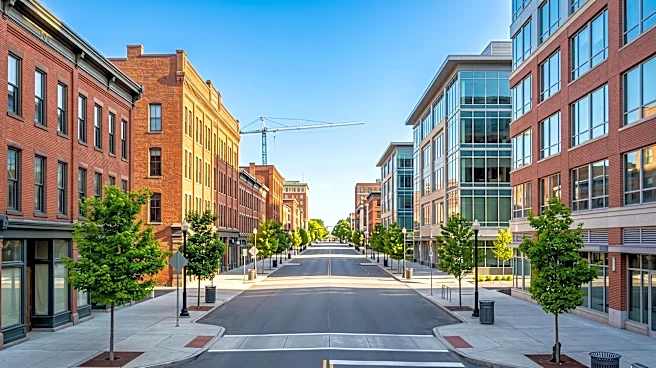
A recently approved proposal for additions to Historic Downtown Rochester may lead to the relocation of Treedome, a local record store and live music venue. The plan involves converting the entrance of the building currently housing Treedome into a two-story
lobby, while maintaining the existing facade. This development follows Mayor Norton's decision not to veto the proposal, despite a petition from unhappy Rochester residents. The proposed additions will be seven stories tall, five stories higher than the current buildings, and set back at least 40 feet from Broadway. While the proposal does not explicitly state that businesses will be forced to close, the significant structural changes to Treedome's location suggest a high likelihood of relocation. The owners, Maggie Panetta and Nathaniel Nelson, have indicated to MPR that they will likely need to move their business if the residential development proceeds as planned. Treedome has assured its community via Facebook that no shows are being canceled and they will remain open for now, committing to finding a new space to keep Rochester's DIY music scene active.
Why It's Important?
This situation highlights the tension between urban development and the preservation of local culture and small businesses. Treedome is not just a retail space but a cultural hub for Rochester's DIY music scene, providing a venue for live performances and fostering a sense of community. Its potential displacement could significantly impact the local arts and music landscape, potentially leading to a loss of unique cultural offerings. For small businesses, such development projects represent a significant risk, as they often face relocation costs, loss of established clientele, and the challenge of finding suitable new premises. The controversy surrounding Mayor Norton's decision not to veto the project also underscores broader community concerns about the balance between economic growth, historical preservation, and supporting local enterprises. This event serves as a case study in how urban renewal initiatives, while aiming for progress, can inadvertently threaten the fabric of a city's cultural identity and the livelihoods of its independent businesses.
What's Next?
Treedome's owners are currently navigating the implications of the approved downtown project. While they have stated that no immediate changes are occurring, they are actively preparing for a potential relocation. This will involve searching for a new suitable space that can accommodate both their record store and live music venue operations, a process that can be lengthy and challenging. The community, particularly those involved in Rochester's DIY music scene, will likely follow Treedome's efforts closely, potentially offering support or advocating for solutions. The broader downtown project will proceed through various stages of development, which will take time to fully implement. During this period, other businesses in the affected area may also face similar uncertainties. The situation could also prompt further discussions within the Rochester community about urban planning policies, the protection of cultural spaces, and support for local businesses amidst development pressures.
Beyond the Headlines
This incident delves into the deeper implications of gentrification and urban transformation in American cities. As downtown areas are redeveloped, often with a focus on residential and commercial growth, there's a risk of displacing established, often culturally significant, small businesses that contribute to a city's unique character. Treedome's commitment to the 'DIY scene' speaks to a grassroots cultural movement that often thrives in accessible, affordable spaces, which become scarce during periods of rapid development. The community's petition against the project, despite its ultimate failure to sway the Mayor, reflects a growing public awareness and concern for preserving local identity against the homogenizing effects of large-scale development. This scenario raises questions about who benefits most from urban development and how cities can balance progress with the retention of their cultural soul. It also highlights the resilience and adaptability of independent cultural institutions in the face of such challenges, as they seek to maintain their presence and mission within evolving urban landscapes.