




What's Happening?
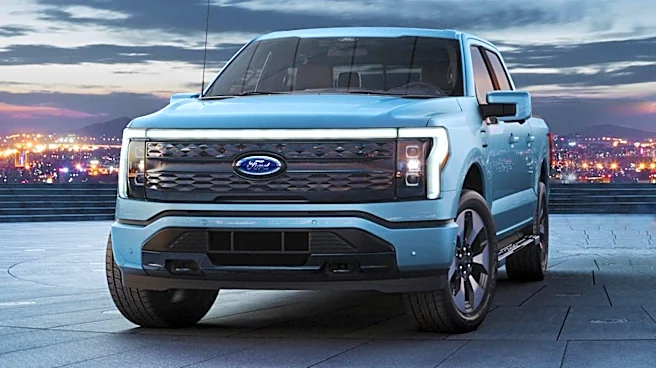
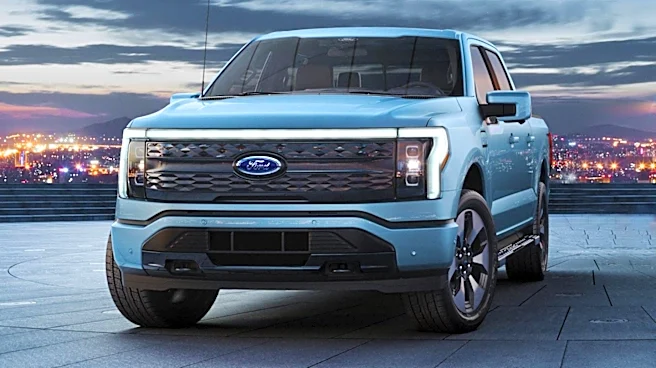
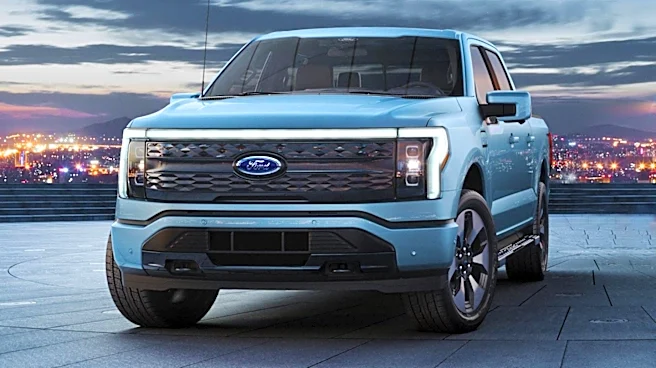
Ford has commenced shipping its first lithium iron phosphate (LFP) battery cells from the BlueOval Battery Park Michigan plant. These cells are destined for the Louisville Assembly Plant to power prototypes of the upcoming Fathom electric pickup. This
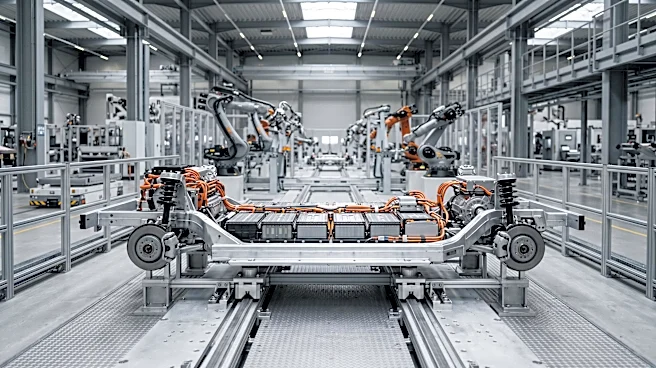
marks Ford's entry into the battery manufacturing business, positioning it as the first U.S. automaker to deliver LFP batteries for mainstream automotive use. The LFP technology, which utilizes no nickel or cobalt, is intended to reduce costs and enhance battery longevity. Ford is leveraging licensed technology and manufacturing expertise from CATL, a global EV battery manufacturer, at its Michigan facility. The assembly lines at the Michigan plant are capable of producing 40 cells per minute, making it one of the fastest LFP prismatic battery assembly lines outside of China. The Fathom pickup, designed for efficiency, will integrate these prismatic cells directly into its chassis to reduce structural costs. Ford aims for extremely low defect rates, tracking them per billion cells rather than per million, utilizing AI-powered image recognition for quality control.
Why It's Important?
This development is significant for the U.S. automotive industry as it represents a strategic move by Ford to localize battery production and reduce reliance on foreign supply chains for critical EV components. By producing LFP batteries domestically, Ford aims to lower the cost of electric vehicles, making them more accessible to a broader consumer base. The Fathom pickup, with a starting MSRP under $30,000, is positioned as an affordable and capable EV, directly addressing a key barrier to EV adoption: price. The use of LFP technology also contributes to sustainability by eliminating nickel and cobalt, which are often associated with ethical and environmental concerns in their extraction. Furthermore, Ford's investment in battery manufacturing in Michigan and its new battery energy storage business in Kentucky signal a broader commitment to an electrified future and the creation of new jobs in the U.S. manufacturing sector.
What's Next?
Ford plans to open preorders for the Fathom electric pickup in early 2027, with the official launch scheduled for Q4 2027. Ahead of the Fathom's launch, Ford intends to have its battery pack plant in Marshall, Michigan, fully operational in 2027. The knowledge gained from the Michigan battery plant will also support Ford Energy, the company's new battery energy storage business in Kentucky. The Fathom will be the first vehicle built on Ford's Universal Electric Vehicle (UEV) platform and is expected to offer features such as integrated Apple Maps, BlueCruise capability for hands-free driving, standard Apple CarPlay and Android Auto, and bidirectional charging. As prototypes are tested with the new Michigan-made batteries, further details on battery specifications and range are anticipated to be released closer to the vehicle's market debut.
Beyond the Headlines
Ford's strategic shift towards in-house LFP battery production has broader implications for the competitive landscape of the EV market. By controlling a significant portion of its battery supply chain, Ford can potentially achieve greater cost efficiencies and production flexibility, giving it an edge against competitors heavily reliant on external battery suppliers. This move also underscores a growing trend among major automakers to vertically integrate key EV technologies. The emphasis on AI-powered quality control in battery manufacturing highlights the increasing role of advanced technology in ensuring the reliability and safety of EV components. Moreover, the Fathom's positioning as an affordable, practical electric pickup could accelerate the transition to EVs in the truck segment, a crucial market in the U.S., potentially influencing other manufacturers to follow suit with more budget-friendly electric truck options.