





What's Happening?
Amazon Fresh is consistently priced 15-20% lower than Whole Foods for conventional grocery items, including name-brand staples, household goods, and basic produce. A comparison of a 12-item basket revealed Amazon Fresh to be 18% cheaper than Whole Foods,
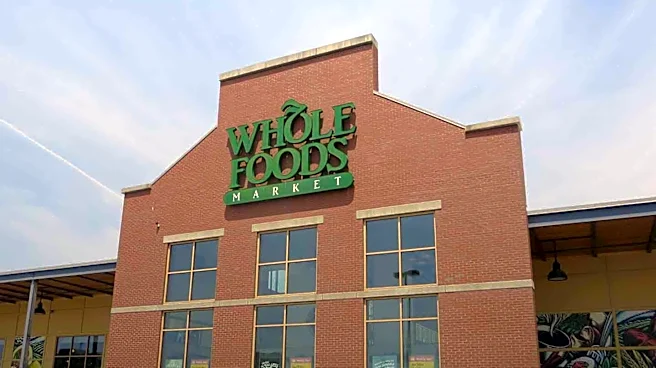
with prices of $58.87 versus $71.54, respectively. Both grocery services are owned by Amazon and deliver from the same regional fulfillment centers, requiring an Amazon Prime membership for optimal pricing. The primary distinction lies in their market positioning: Amazon Fresh targets everyday grocery needs with conventional products, while Whole Foods focuses on premium-organic and specialty items, such as its 365 private label, organic produce, and in-house bakery offerings. Customers can order from both services in a single cart through Amazon's checkout system, with items shipping together.
Why It's Important?
This pricing strategy by Amazon highlights a clear segmentation in the U.S. grocery market, catering to different consumer preferences and budgets. For cost-conscious consumers or those prioritizing conventional brands, Amazon Fresh offers a more affordable option for their weekly stock-up shopping. This could intensify competition among grocery retailers, potentially driving down prices for everyday staples across the industry. Conversely, Whole Foods maintains its appeal to a niche market willing to pay a premium for organic, specialty, and high-quality prepared foods. The ability to combine orders from both platforms in a single transaction enhances convenience for Amazon Prime members, potentially increasing customer loyalty and market share for Amazon's overall grocery operations. This dual-brand approach allows Amazon to capture a broader spectrum of the grocery market, from budget-friendly to premium segments.
What's Next?
The continued differentiation in pricing and product offerings between Amazon Fresh and Whole Foods suggests that Amazon will likely maintain this two-pronged strategy to address diverse consumer demands in the U.S. grocery sector. Other grocery retailers may respond by adjusting their own pricing strategies, expanding their private-label offerings, or enhancing their online delivery services to compete with Amazon's integrated model. Consumers can expect to see ongoing efforts by Amazon to optimize its delivery logistics and potentially introduce new features to further streamline the grocery shopping experience across both platforms. The focus on value at Amazon Fresh could also lead to increased advertising and promotional activities to attract more mainstream grocery shoppers, while Whole Foods will likely continue to emphasize its unique selection and quality.
Beyond the Headlines
The strategic pricing and brand differentiation between Amazon Fresh and Whole Foods reflect a broader trend in retail where large corporations leverage multiple brands to capture different market segments. This approach allows Amazon to maximize its reach and cater to varying consumer values, from affordability to premium quality and ethical sourcing. The integration of both services under the Amazon Prime umbrella also reinforces the value proposition of the Prime membership, making it a more indispensable service for households. This model could influence other retail giants to adopt similar multi-brand strategies, potentially leading to a more fragmented yet comprehensive retail landscape. The emphasis on convenience and integrated shopping experiences also underscores the ongoing shift towards e-commerce and delivery services as primary channels for grocery procurement, impacting traditional brick-and-mortar grocery stores.