



What's Happening?
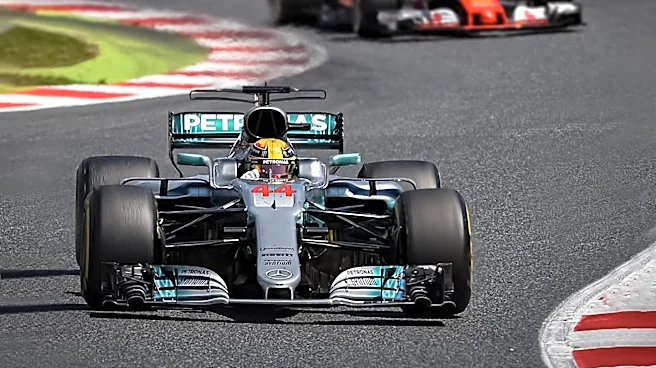
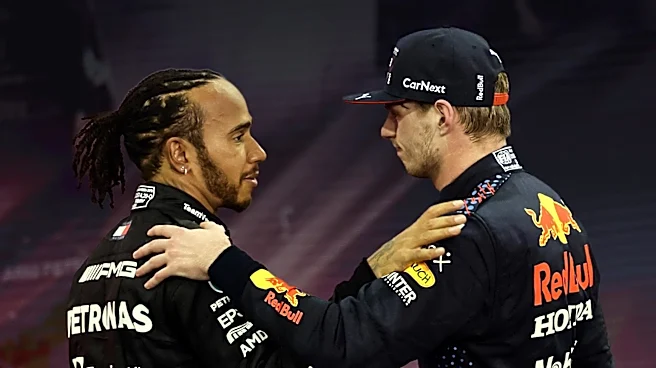
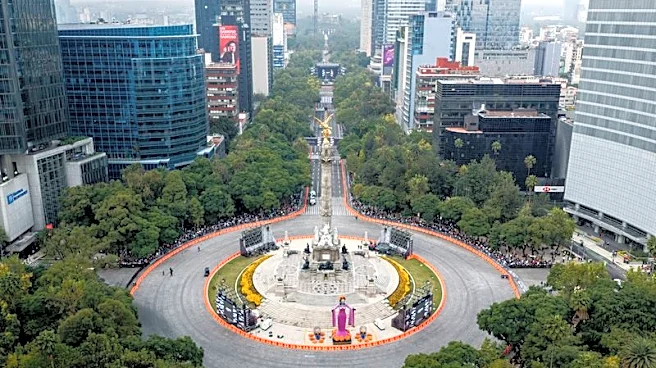
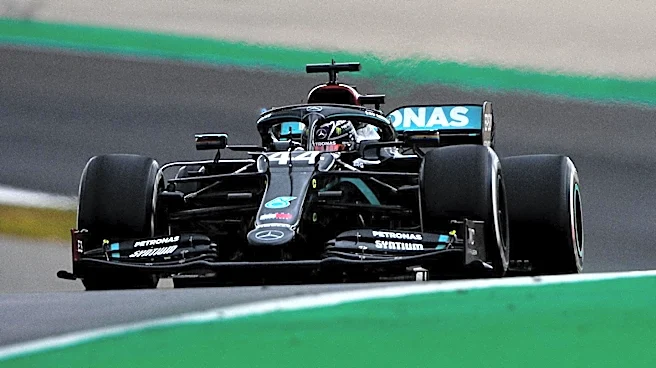
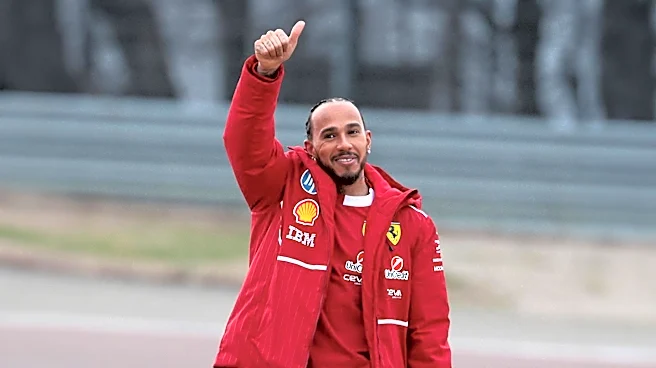
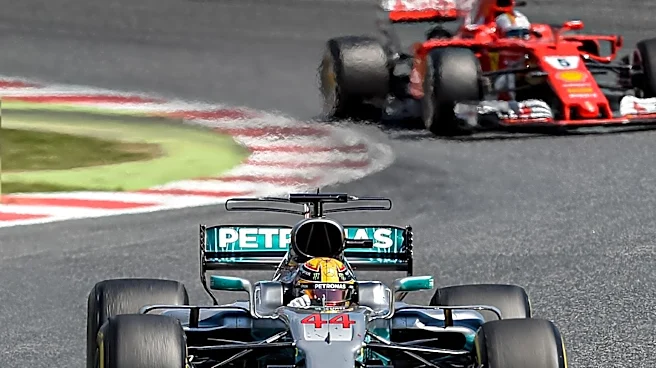
Seven-time Formula 1 World Champion Lewis Hamilton has asserted that Formula 1 has never seen a driver quite like him, emphasizing his belief that he is 'built differently.' Speaking ahead of the Mexican Grand Prix, Hamilton, who will be 42 in January,
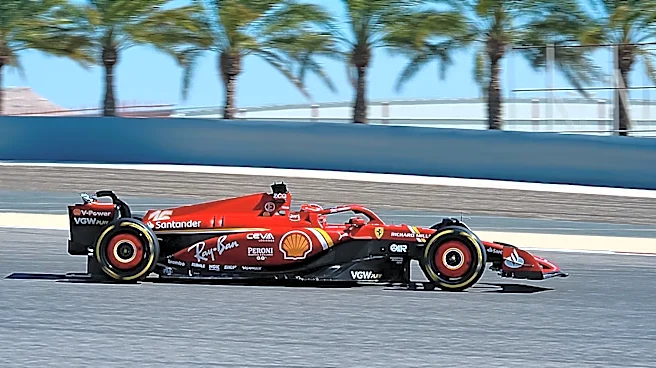
dismissed notions that his age should hinder his competitiveness against younger rivals. He pointed to his reaction times and improved performances with Ferrari in 2026 as evidence of his sustained capability. Hamilton has not ruled out continuing his racing career into the 2030s, a period when Formula 1 plans to reintroduce an African Grand Prix in Rwanda. He maintains that his reactions are still on par with younger drivers but stated he would retire if he could no longer perform at the required elite level. His current contract with Ferrari is understood to run through 2027, with an option to extend into 2028.
Why It's Important?
Hamilton's declaration carries significant weight within the Formula 1 community and the broader sports world. As one of the most successful drivers in the sport's history, his continued presence and ambition to race into his mid-40s challenge conventional perceptions of athlete longevity in high-performance motorsports. His comments could influence how teams and sponsors view older drivers, potentially extending career opportunities for others. For Formula 1, having a figure of Hamilton's stature remain competitive for an extended period could boost viewership and global interest, especially with the prospect of him racing in a new African Grand Prix. His commitment to physical and mental preparation also sets a benchmark for aspiring and current athletes, highlighting the dedication required to maintain peak performance over decades.
What's Next?
The immediate focus for Lewis Hamilton is the Mexican Grand Prix, where he aims to continue his competitive performance. Beyond the current season, discussions around his contract extension with Ferrari will likely intensify as his current agreement approaches its conclusion. His potential participation in the planned Rwandan Grand Prix in the early 2030s will depend on his sustained performance and desire to continue racing, which he has indicated is contingent on his ability to compete at the highest level. His future decisions will be closely watched by fans, competitors, and the sport's governing bodies, as they could significantly impact Formula 1's landscape for the next decade.
Beyond the Headlines
Hamilton's assertion of being 'built differently' transcends mere athletic confidence; it touches upon the evolving understanding of human potential and longevity in elite sports. His career trajectory could serve as a case study in sports science, particularly in areas of athlete conditioning, mental fortitude, and age-defying performance. Furthermore, his expressed desire to race in an African Grand Prix highlights a broader cultural and social impact, aligning with his advocacy for diversity and inclusion within the sport. This long-term vision could inspire a new generation of talent from underrepresented regions, fostering greater global participation and interest in Formula 1 beyond its traditional strongholds.