








What's Happening?
Maddi Bourgerie, RVshare's travel expert and vice president of marketing, has shared insights into the evolving landscape of RV travel, emphasizing the growing popularity of rentals and the shift towards less-visited national parks. Bourgerie's personal
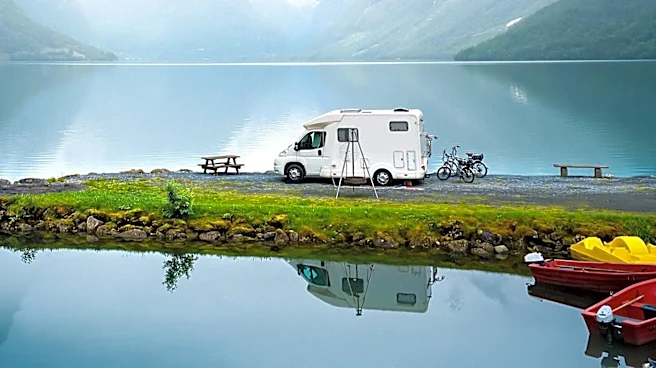
journey into RV enthusiasm began in 2021 with a challenging yet transformative trip to Marfa, Texas, and Big Bend National Park, where she experienced the unique appeal of Airstream camping and the region's dark skies. This experience, despite car troubles and intimidating weather, solidified her commitment to promoting RV travel. A significant trend highlighted is that over 50% of RVshare renters are first-timers, leading to a surge in RV delivery services. These services, typically costing between $100 and $200, allow RVs to be set up directly at the destination, removing the intimidation of driving large vehicles. The RV rental industry witnessed a tenfold growth between 2020 and 2022 compared to 2019, repositioning RVs as mobile hotel rooms. Furthermore, one-way rental options are now emerging through partnerships with fleet providers, addressing a highly requested feature, particularly among younger travelers. Bourgerie also advocates for exploring 'destination dupes' like Lassen Volcanic National Park, Snow Canyon State Park, and Great Basin National Park as alternatives to overcrowded popular sites. Pet-inclusive travel is another major factor, with 71% of pet owners preferring to bring their pets along, making RVs an attractive option.
Why It's Important?
The increasing accessibility of RV travel, driven by delivery services and user-friendly rental platforms, is democratizing outdoor adventures, making them available to a broader demographic, including those new to RVing. This expansion of the market has significant implications for the tourism industry, potentially boosting local economies in previously less-visited areas. The promotion of 'destination dupes' could help alleviate environmental and infrastructural pressures on popular national parks while distributing tourism revenue more widely across the country. The strong influence of pet ownership on travel decisions underscores a growing market segment that businesses must address, with RV rentals uniquely positioned to cater to this demand. The repositioning of RVs as flexible, mobile accommodations challenges traditional hospitality models, fostering innovation and competition within the travel sector. This trend reflects a broader consumer desire for personalized, self-contained travel experiences, indicating a long-term shift in leisure preferences that impacts vehicle manufacturing, campground development, and related service industries.
What's Next?
The expansion of RV delivery services is expected to continue, with more providers likely to adopt this model to meet the demand from first-time renters, potentially leading to further innovations in logistics and customer service. As awareness of 'destination dupes' grows, tourism boards and travel companies may increasingly focus marketing efforts on these alternative natural attractions, which could lead to shifts in travel patterns and investment in infrastructure for these areas. The demand for pet-friendly travel will continue to influence offerings across the hospitality sector, compelling more accommodations and attractions to become pet-inclusive or risk losing business to RV travel. One-way RV rental options are anticipated to become more widespread as fleet partners expand their networks, offering travelers greater flexibility for linear road trips. The RV rental industry will likely intensify its efforts to educate the public on the ease and accessibility of RV travel, aiming to dispel misconceptions and attract an even larger customer base, further solidifying its role in the U.S. travel market.
Beyond the Headlines
The evolution of RV travel reflects deeper societal trends towards autonomy, experiential consumption, and a desire for controlled, self-contained environments, particularly amplified in a post-pandemic world. This highlights a cultural value placed on personal freedom and unique leisure experiences. The emphasis on exploring 'destination dupes' and less-visited parks raises critical questions about sustainable tourism and the long-term environmental impact of increased human presence in previously pristine natural areas, necessitating careful management and conservation efforts. The integration of technology, such as peer-to-peer rental platforms and delivery services, is transforming traditional travel models, showcasing how the sharing economy can innovate within established industries and offer new consumer choices. The significant role of pets in travel decisions underscores changing family dynamics and companionship, influencing major lifestyle choices and consumer spending, with ethical considerations for animal welfare in travel. The growth of RV travel also presents infrastructure challenges, including the need for more campgrounds, improved road networks, and enhanced services in remote areas, which will require both public and private sector investment.