






What's Happening?
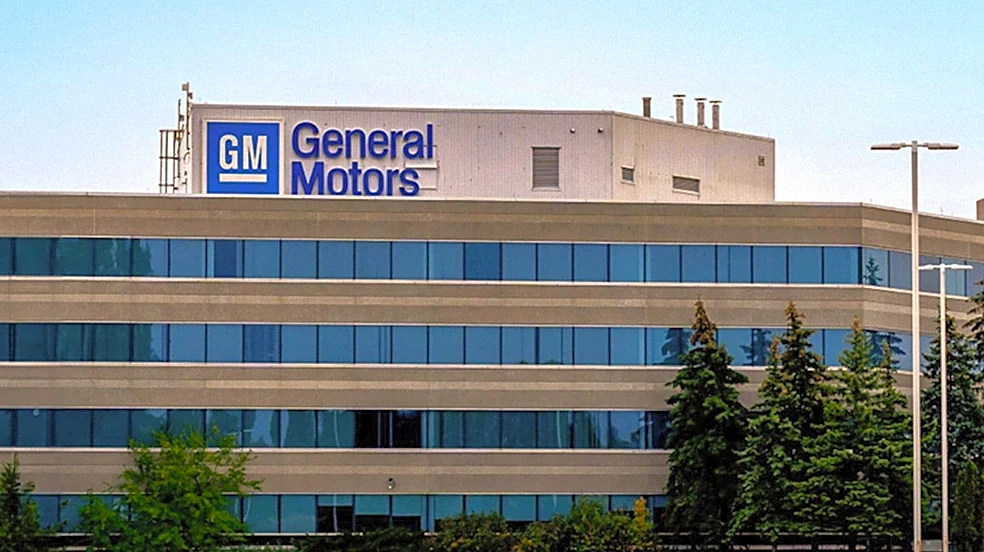
General Motors (GM) announced a significant strategic shift towards artificial intelligence (AI) and software-defined vehicles, aiming to cut vehicle development times in half, from the traditional four to five years down to two. This initiative, unveiled
at its 'GM Forward' event, includes the introduction of a fourth-generation electric vehicle (EV) platform featuring new lithium manganese-rich (LMR) battery chemistry, which offers 33% higher energy density than lithium iron phosphate cells at a comparable cost. GM also plans to deploy a new central compute unit with 40 times more processing power and 30% less wiring, debuting in the 2028 Cadillac Escalade IQ. This advanced architecture will support enhanced in-cabin AI, faster over-the-air updates, and expanded autonomous driving capabilities across both EV and gasoline-powered models, including high-volume trucks and SUVs. The company is also overhauling its OnStar service with an AI assistant, set to launch in the 2027 Cadillac Lyriq, to provide deeper vehicle integration and diagnostics.
Why It's Important?
This strategic pivot is crucial for GM to remain competitive in a rapidly evolving automotive landscape, particularly against tech-heavy Chinese automakers and EV leader Tesla. By drastically reducing development cycles, GM can bring new technologies and vehicles to market faster, responding more agilely to consumer demands and technological advancements. The new EV platform with LMR batteries aims to make electric vehicles more affordable and accessible, potentially accelerating EV adoption in the U.S. market. The integration of advanced AI and centralized computing across its diverse fleet signifies GM's commitment to transforming into a software-defined tech enterprise, which could enhance vehicle performance, safety, and user experience. This move also positions GM to leverage its extensive data from over a century of operation and 30 years of OnStar service as a competitive advantage in the AI era, potentially setting new industry standards for vehicle intelligence and autonomy.
What's Next?
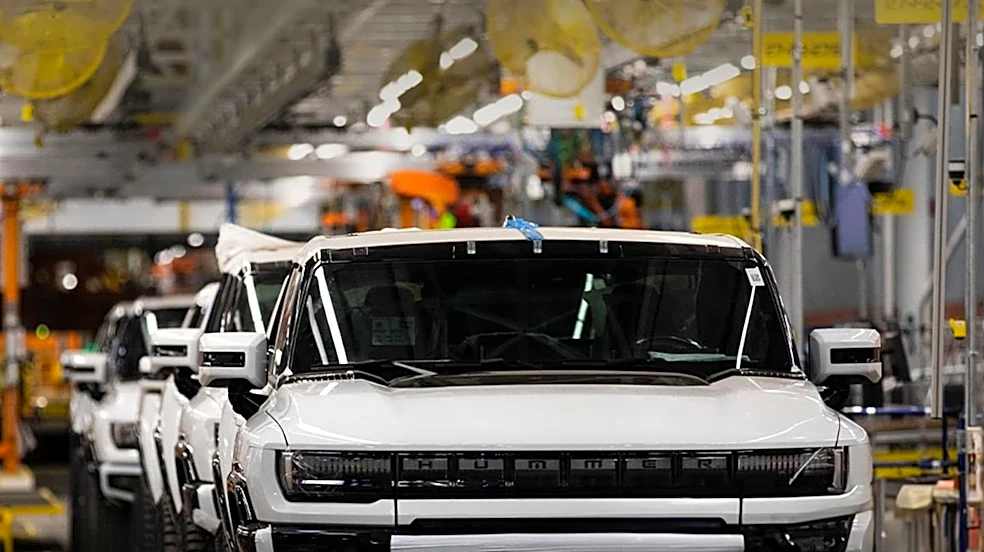
GM's new central compute unit will first appear in the 2028 Cadillac Escalade IQ, followed by a rapid rollout across its highest-volume gasoline-powered full-size SUVs and trucks, three-row crossovers, and fourth-generation EVs. The OnStar AI Assistant is slated for an over-the-air update to the 2027 Cadillac Lyriq in the coming months, with subsequent expansion to other GM vehicles. Autonomous highway driving capabilities, initially announced for the 2028 Cadillac Escalade IQ, will extend to gas-powered vehicles, including best-selling full-size SUVs and light-duty pickups. GM will continue to test pre-production autonomous vehicles on closed courses. The company's focus will be on the successful implementation of its 'digital thread virtualization' and 'PlantBrAIn' initiatives to achieve its two-year development cycle target and streamline manufacturing processes. Stakeholders will closely watch GM's execution of these ambitious plans, particularly the market reception of its new EV platform and advanced AI features.
Beyond the Headlines
GM's aggressive push into AI and software-defined vehicles represents a fundamental shift in the automotive industry, moving beyond traditional hardware manufacturing to a model where software and data intelligence are paramount. This transformation could redefine vehicle ownership, turning cars into continuously evolving smart devices capable of performing complex tasks autonomously. The ethical implications of widespread autonomous driving, such as liability in accidents and data privacy, will become increasingly prominent as GM rolls out these features. Furthermore, the shift towards virtual testing and AI-driven design could significantly alter the automotive engineering workforce, requiring new skill sets in software development, AI, and data science. The success of GM's strategy could also influence regulatory frameworks for autonomous vehicles and data usage in the automotive sector, potentially leading to new standards for safety, security, and consumer protection in an increasingly intelligent vehicle ecosystem.