


What's Happening?
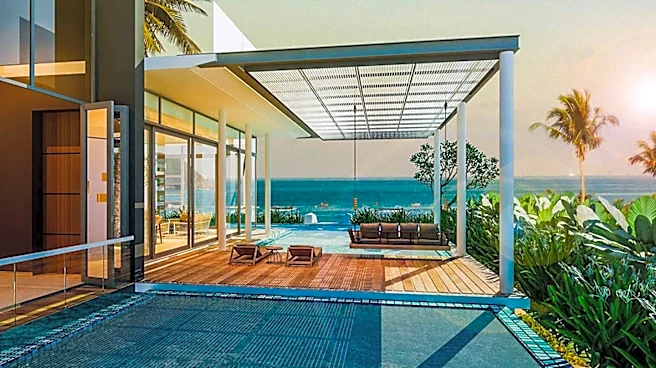
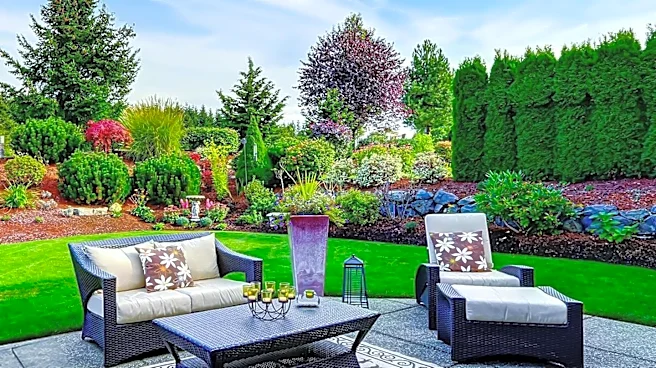
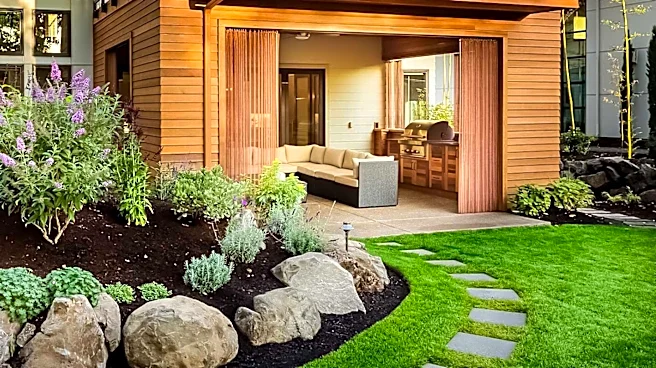
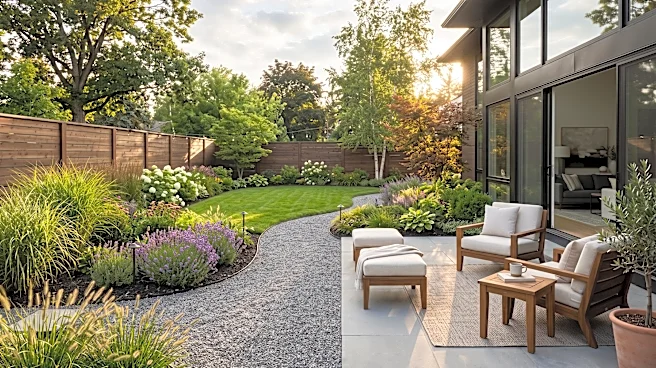
Contemporary backyard landscaping in the U.S. is moving beyond basic privacy solutions to create intentional, resort-inspired outdoor spaces. Designers are focusing on integrating sleek fencing materials with layered greenery, functional seating zones,
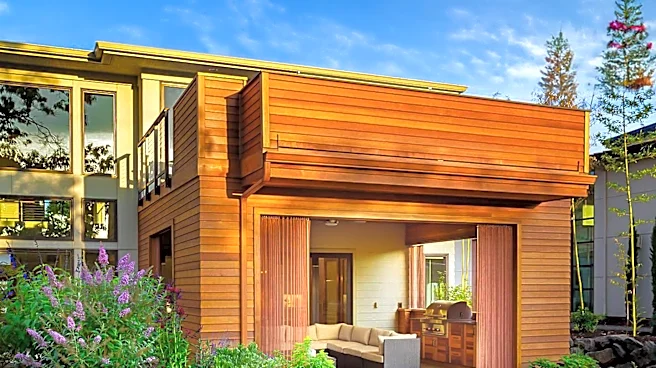
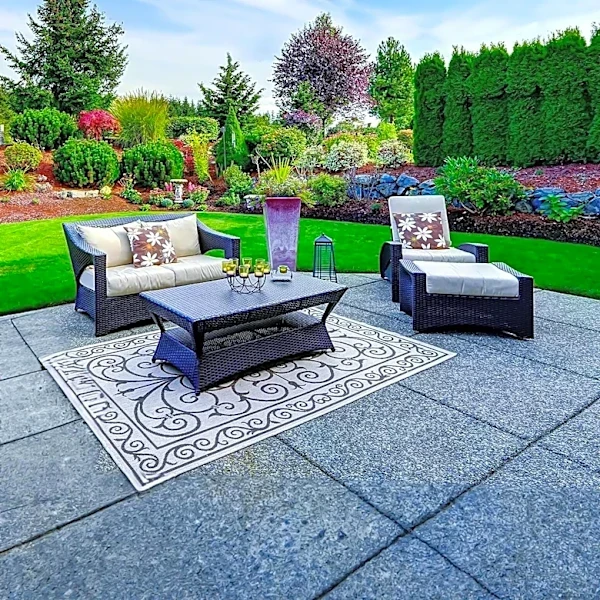
and integrated lighting. Key trends include minimalist designs featuring concrete pavers, black steel furniture, sculptural plants, and subtle LED lighting. There's a strong emphasis on drought-tolerant plants like agave, boxwoods, and ornamental grasses for low maintenance. Horizontal wood fencing is popular for creating calm and contemporary atmospheres, often paired with ornamental grasses. Warm outdoor lighting is used to highlight textures and enhance evening ambiance. Neutral paving stones, black metal accents, and large ceramic planters are also prominent in modern backyard aesthetics. The goal is to create visual depth and sophisticated, easy-to-maintain environments.
Why It's Important?
These evolving landscaping trends reflect a broader shift in how U.S. homeowners view and utilize their outdoor spaces, transforming them into extensions of their homes rather than mere yards. The focus on low-maintenance and drought-tolerant plants addresses increasing concerns about water conservation and sustainability, which is particularly relevant in regions experiencing water scarcity. The integration of functional zones for entertainment, cooking, and relaxation enhances property value and improves quality of life for residents. For the landscaping industry, this means a demand for more sophisticated design services, sustainable plant options, and advanced outdoor living features. Homeowners stand to gain from more aesthetically pleasing, functional, and environmentally responsible outdoor environments, while businesses in the landscaping, outdoor furniture, and lighting sectors can capitalize on these growing demands.
What's Next?
The landscaping industry is expected to continue innovating with sustainable materials and smart outdoor technologies. Homeowners will likely see more options for integrated smart irrigation systems, advanced outdoor lighting controls, and durable, eco-friendly hardscaping materials. The trend towards personalization and creating unique outdoor 'rooms' will drive demand for custom design solutions. Expect to see a continued emphasis on native plants and biodiversity to support local ecosystems. Professional landscape designers will play a crucial role in guiding homeowners through these choices, ensuring designs are not only beautiful but also practical and sustainable for the long term. The market will likely see an increase in products and services that cater to year-round outdoor living, such as weather-resistant furniture and heating solutions.
Beyond the Headlines
The shift towards intentional and sustainable backyard landscaping reflects a deeper cultural appreciation for nature and outdoor living in the U.S. It highlights a growing awareness of environmental impact, with homeowners increasingly seeking ways to reduce their ecological footprint through plant selection and water management. This trend also underscores a desire for tranquility and connection with nature in an increasingly fast-paced world, turning backyards into personal retreats. The emphasis on minimalist and contemporary designs suggests a move away from overly ornate or high-maintenance gardens, favoring clean lines and functional beauty. This evolution in landscaping is not just about aesthetics; it's about creating healthier, more livable, and more responsible outdoor environments that contribute to overall well-being and community resilience.