








What's Happening?
A recent article discusses the potential challenges facing AI systems, particularly those based on neural networks, due to software inefficiency and high energy consumption. The article references Niklaus Wirth's thesis on software inefficiency, suggesting
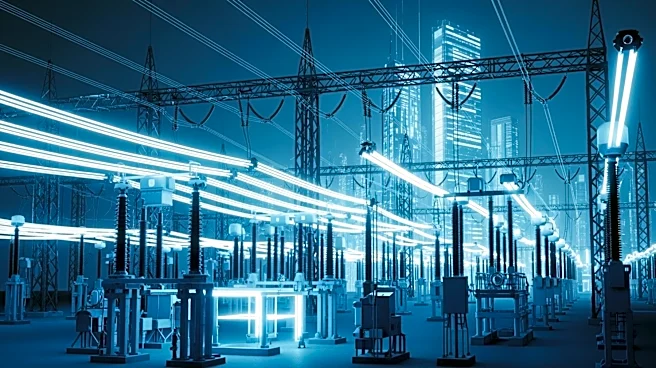
that AI may be doomed to fail not because of a lack of electrical energy, but due to software bloat. This inefficiency could lead to AI systems slowing down, despite advancements in hardware. The article highlights the significant energy consumption of AI systems, which may require their own nuclear power plants to operate efficiently. The discussion raises concerns about the sustainability and economic impact of investing heavily in AI technology.
Why It's Important?
The potential failure of AI systems due to software inefficiency and high energy consumption could have significant economic implications. The substantial investments in AI technology could lead to an economic bubble if these systems fail to deliver on their promises. This could result in serious economic problems both in the U.S. and globally. Additionally, the environmental impact of AI's energy consumption is a growing concern, as it may necessitate the construction of new power plants, further straining resources. The discussion underscores the need for oversight and careful consideration of AI investments to prevent potential economic and environmental fallout.
What's Next?
The article suggests that AI technology requires thorough examination and oversight before further investments are made. This includes addressing software inefficiency and exploring sustainable energy solutions to support AI systems. Stakeholders, including policymakers and industry leaders, may need to collaborate to establish regulations and standards for AI development. The focus should be on creating efficient, sustainable AI systems that can deliver on their promises without causing economic or environmental harm.
Beyond the Headlines
The discussion of AI's potential failure due to software inefficiency highlights broader issues in technology development. It raises questions about the balance between technological advancement and sustainability. The reliance on massive computing power and energy consumption for AI systems may not be sustainable in the long term. This situation calls for a reevaluation of how technology is developed and implemented, emphasizing efficiency and sustainability. The ethical implications of investing heavily in potentially unsustainable technology also warrant consideration.